
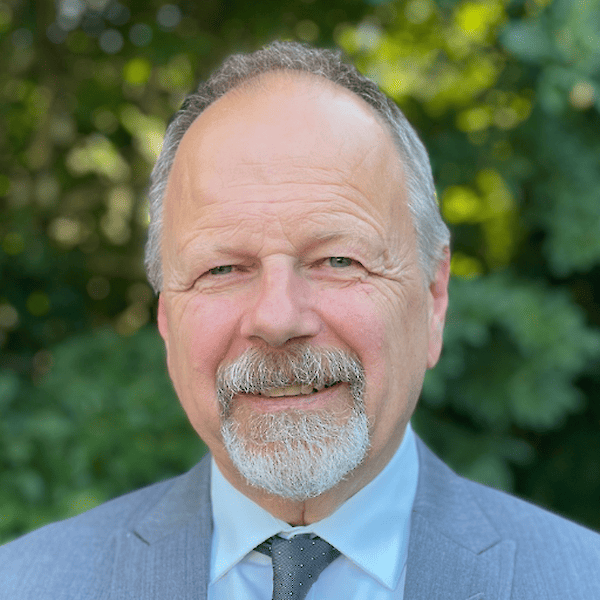
Matt McGeachie
About
Policy commitments
We all want healthy, affordable, and comfortable homes. These policies will help to lower energy bills, cut pollution, and improve indoor air quality.
Our community is already experiencing the harmful impacts of climate change caused by fossil fuel pollution, and taxpayers are on the hook to upgrade and repair critical infrastructure.
The air we breathe, the water we drink, and the food we eat all rely on healthy ecosystems. Nature can also help protect our community from extreme weather by controlling floods, protecting shorelines, and cooling neighbourhoods. Access to nature improves the health and well-being of residents, and supports biodiversity.
We envision vibrant, walkable communities that protect nature and improve food security.
Connecting neighbourhoods through public transit and active transportation networks will cut pollution, improve public health, and make our communities more affordable (and fun!).
Climate change, increasing populations, and overconsumption threaten our water security. Healthy watersheds and forests are critical to support clean drinking water, stormwater management, climate resilience, and biodiversity for future generations.
Zero waste policies reduce pollution, keep waste out of landfills, build resilient local economies, and safeguard public health by shifting society away from a disposable culture toward a sustainable circular economy.
Climate action
As dedicated community advocates, we have consistently stood up for neighbourhood-centred planning that safeguards our local ecosystems. A major focus of our work has been opposing development projects that routinely clear-cut mature trees, erode our protective urban canopy, and destroy protected species. Maintaining mature tree canopy is one of the most effective, immediate ways a municipality can cool neighbourhoods, manage stormwater runoff, and capture carbon.
Through community advocacy and campaign alignment, we actively champion comprehensive planning that prioritizes environmental protection. This includes advocating for the re-establishment of a revised Resilient Saanich Technical Committee to oversee sensitive areas and ensure development plans are informed by expert science. We strongly support protecting and enhancing connected wildlife corridors between our parks and nature sanctuaries, creating buffer zones to prevent high-density encroachments, and safeguarding vital agricultural lands—like the Blenkinsop Valley—to preserve local food security and protect our watersheds.
Questions for Saanich
Strengthen the Tree Protection Bylaw: We will update and enforce the Tree Protection Bylaw to better manage exemptions that allow developers to routinely clear-cut mature trees and protected species. Preserving mature tree canopy—especially our endangered Garry Oak ecosystems—is our most effective municipal tool to cool neighbourhoods, mitigate heat, and manage stormwater.
Reconstitute the Resilient Saanich Technical Committee: We will review and reconstitute an independent, science-led Resilient Saanich Technical Committee. Saanich Council must be properly informed by scientific experts, ecological data, and qualified oversight when evaluating development proposals, sensitive areas, and biodiversity policies.
Establish Buffer Zones and Protect Wildlife Corridors: We will create strong environmental buffer zones around parks and nature sanctuaries to protect connected wildlife corridors from over-scale developments.
As local candidates for office, our primary obligation is to maintain a sharp focus on the core duties, services, and infrastructure delivered at the municipal level. Municipal governments are most effective when they allocate taxpayer resources toward areas directly within local jurisdiction—such as protecting local tree canopy, stewarding municipal parks and watersheds, upgrading storm and flood resilience, supporting local active transport networks, and collaborating in good faith with local Indigenous communities.
Many of the broader regulatory, energy-market, and geopolitical proposals highlighted in your questionnaire fall squarely under provincial and federal mandates. While these are important discussions, municipal councils lack the constitutional authority, regulatory capacity, and funding mechanisms to implement or enforce policies of this nature. Attempting to take on non-municipal mandates distracts from essential local service delivery and risks imposing costs on local taxpayers that the municipality cannot effectively manage.
In evaluating these policy areas, we remain focused on the core municipal responsibilities where local council can make a direct impact:
1) Local Ecosystems & Parks: Protecting green spaces, building resilient stormwater infrastructure, expanding local tree canopy, and restoring municipal watersheds.
2) Resilient Infrastructure: Upgrading local storm, road, and community assets to withstand extreme weather events.
3) Active Community Planning: Supporting walkable neighbourhoods, supporting local farming activities and functional local transportation options.
4) Meaningful Collaboration: Consulting with First Nations on local land and water stewardship.
Evidence-Based Council Decision-Making: We believe major planning decisions should be supported by reliable ecological data. Restoring a revised Resilient Saanich Technical Committee will help provide Council with better guidance when reviewing projects near sensitive ecosystems, mature tree canopy, or local watersheds.
Proactive Bylaw Enforcement & Accountability: Policies are only as effective as their implementation. We believe environmental bylaws should be applied consistently and effectively, providing clear expectations for tree retention, habitat protection, and stormwater management to ensure developer accountability.
Broad Public Engagement: True environmental stewardship involves the community. We will foster open, inclusive town halls and meaningful public consultation to ensure residents, neighbourhood associations, and local stewardship groups have a direct voice in environmental planning and park preservation.
Fiscally Responsible Stewardship: We support allocating municipal resources toward key natural infrastructure—including stormwater resilience, park maintenance, and watershed protection—balancing environmental benefits alongside our other municipal priorities and fiscal responsibilities.
By combining scientific oversight, strong community consultation, and disciplined fiscal management, we will ensure Saanich's environmental goals are effectively carried out over the next four years.
Vote4Tomorrow is an independent voter guide to evaluate where local candidates stand on climate and environmental policies that will affect our future.