
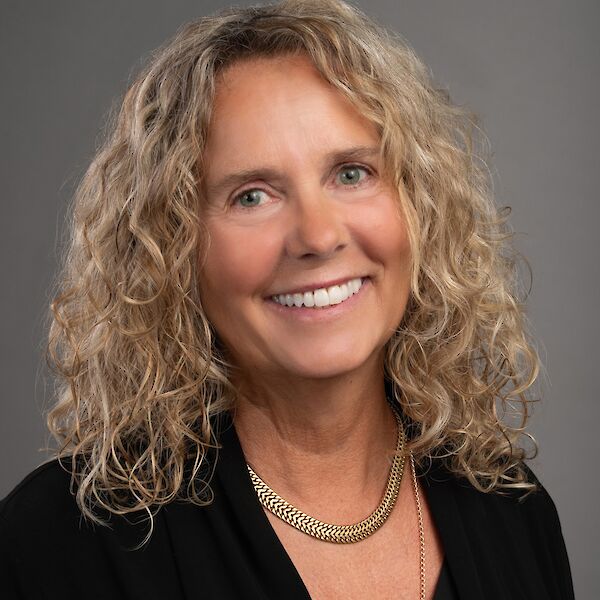
Hollis Hodson
About
Policy commitments
We all want healthy, affordable, and comfortable homes. These policies will help to lower energy bills, cut pollution, and improve indoor air quality.
Our community is already experiencing the harmful impacts of climate change caused by fossil fuel pollution, and taxpayers are on the hook to upgrade and repair critical infrastructure.
The air we breathe, the water we drink, and the food we eat all rely on healthy ecosystems. Nature can also help protect our community from extreme weather by controlling floods, protecting shorelines, and cooling neighbourhoods. Access to nature improves the health and well-being of residents, and supports biodiversity.
We envision vibrant, walkable communities that protect nature and improve food security.
Connecting neighbourhoods through public transit and active transportation networks will cut pollution, improve public health, and make our communities more affordable (and fun!).
Climate change, increasing populations, and overconsumption threaten our water security. Healthy watersheds and forests are critical to support clean drinking water, stormwater management, climate resilience, and biodiversity for future generations.
Zero waste policies reduce pollution, keep waste out of landfills, build resilient local economies, and safeguard public health by shifting society away from a disposable culture toward a sustainable circular economy.
Climate action
My environmental advocacy includes working with residents, community associations, municipal staff, elected officials, and other levels of government to protect natural areas, improve neighbourhoods, and advance practical solutions. This includes bringing multiple partners together to help deliver the Burnside Road Streetscape and advocating for the protection and stewardship of Panama Flats.
As President of the Carey Area Residents Association, I led community advocacy to protect Panama Flats and other natural assets. As Chair of the Saanich Community Association Network, I collaborate with 17 independent community associations across Saanich. I have served on Saanich’s Natural Areas, Trails and Parks Advisory Committee and UVic Community Association Liaison Committee. I received my Wetland Certificate through the BCWF’s Wetland course and had the honour of taking the class on an educational tour of the Panama Flats wetland.
During my career, I consulted for the Ministry of Environment, developing its water licensing and waste management systems, as well as designing and developing the Ministry of Forests’ Fireline Certification system.
At home, my husband and I replaced a gas furnace with a heat pump, replaced grass with permeable surfaces, and maintain five garden beds to grow food. Our neighbours also share fruit and nuts from their trees. These choices reflect the principles I bring to community advocacy: reducing environmental impacts, protecting natural systems, building resilience, and connecting community.
Questions for Saanich
1. Protect biodiversity and environmentally sensitive areas as growth continues. Wetlands, watersheds, floodplains, mature forests, streams and Garry oak ecosystems provide habitat, biodiversity and essential ecological services that cannot simply be replaced once lost. They help make Saanich resilient for the future. Development should be planned around environmental constraints, with protection decisions grounded in ecological evidence.
2. Treat natural assets as infrastructure. Parks, forests, wetlands, rivers and creeks, and other natural areas are essential community infrastructure. Wetlands manage stormwater; mature trees provide shade, habitat, carbon storage and help reduce flooding and urban heat; healthy watersheds can prevent costs that would otherwise require expensive engineered solutions. Natural infrastructure deserves the same planning prioritization as discipline as roads and pipes.
3. Strengthen Saanich’s urban forest through development, not after it. Tree retention and canopy targets should be built into a project's design from the start, not treated as a condition to be negotiated away once construction is underway. Trees planted after the fact rarely replace what was lost.
4. Plan connected systems from the beginning. Drainage, runoff, habitat and watershed impacts should be considered at the watershed level, recognizing that decisions on one property can affect downstream communities. Environmental considerations shouldn’t arrive at the end of a project, they belong at the start, alongside housing, transportation and infrastructure planning. Good environmental outcomes come from early decisions, not late corrections.
I would ask: What are the short- and long-term climate and environmental impacts of this decision? What natural assets could be affected? What are the lifecycle costs, and are we creating future impacts and costs by avoiding action today?
I would emphasize that ignoring climate protection does not eliminate costs, it pushes them onto future generations. Protecting natural infrastructure such as mature trees, wetlands and healthy watersheds can reduce stormwater, flooding and urban heat risks while avoiding expensive engineered solutions. Similarly, transportation and housing decisions should consider emissions, infrastructure capacity, resilience and how communities will function over decades, not simply the immediate project or political cycle.
My approach is to advocate bringing environmental considerations into planning from the beginning, using sound evidence and long-term thinking rather than treating them as a final checklist. I also believe Council needs to distinguish between thoughtful, appropriately paced action and rushed decisions. A hasty decision that does not account for long-term environmental consequences can create a costly boomerang effect for future generations.
Climate responsibility and fiscal responsibility are therefore closely connected: making informed decisions today can protect both Saanich’s natural systems and its taxpayers tomorrow. If elected, that is the perspective I will bring to Council and advocate for in advancing climate mitigation and environmental protection.
I would bring a practical, evidence-based climate lens to Council’s work, asking not only what a decision accomplishes today, but what its environmental, infrastructure and financial consequences will be over the long term. Climate action should be considered alongside housing, transportation, infrastructure, affordability, safety and fiscal responsibility, not treated as a separate issue.
My approach would be to protect and strengthen Saanich’s natural infrastructure, including mature trees, wetlands, watersheds, forests and other sensitive ecosystems, while ensuring environmental considerations are incorporated early in planning and development. I would also support practical opportunities to reduce emissions and increase resilience through transportation planning, building practices, urban forest protection and infrastructure investment.
Leadership also means bringing people together. My 20-plus years of community advocacy have involved working with residents, community associations, municipal staff, elected officials and other levels of government to move complex issues forward. I would bring that same collaborative approach to climate action, while ensuring decisions are transparent, measurable and accountable to residents.
I also believe climate responsibility and fiscal responsibility are closely connected. Decisions that ignore long-term environmental impacts can create significant costs for future generations. Saanich needs thoughtful, appropriately paced action grounded in evidence, not rushed decisions or delay.
I would lead by connecting climate action to the community outcomes residents care about: healthy neighbourhoods, resilient infrastructure, responsible growth, affordability and protecting what matters for future generations.
Vote4Tomorrow is an independent voter guide to evaluate where local candidates stand on climate and environmental policies that will affect our future.