
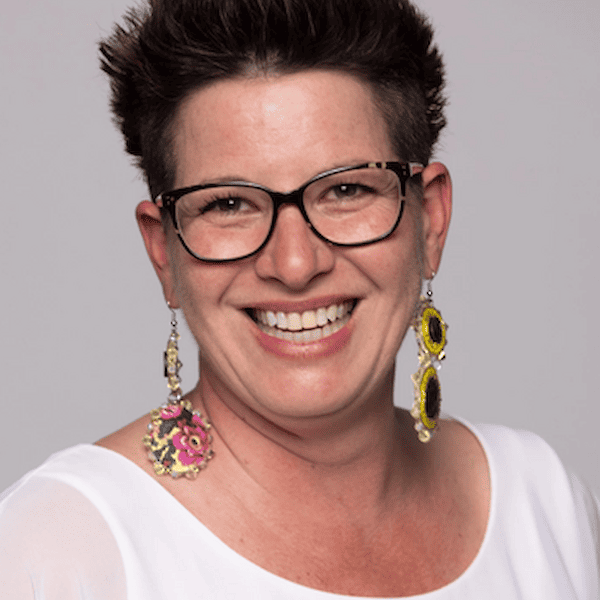
Garnett Humenick
About
Policy commitments
We all want healthy, affordable, and comfortable homes. These policies will help to lower energy bills, cut pollution, and improve indoor air quality.
Our community is already experiencing the harmful impacts of climate change caused by fossil fuel pollution, and taxpayers are on the hook to upgrade and repair critical infrastructure.
The air we breathe, the water we drink, and the food we eat all rely on healthy ecosystems. Nature can also help protect our community from extreme weather by controlling floods, protecting shorelines, and cooling neighbourhoods. Access to nature improves the health and well-being of residents, and supports biodiversity.
We envision vibrant, walkable communities that protect nature and improve food security.
Connecting neighbourhoods through public transit and active transportation networks will cut pollution, improve public health, and make our communities more affordable (and fun!).
Climate change, increasing populations, and overconsumption threaten our water security. Healthy watersheds and forests are critical to support clean drinking water, stormwater management, climate resilience, and biodiversity for future generations.
Zero waste policies reduce pollution, keep waste out of landfills, build resilient local economies, and safeguard public health by shifting society away from a disposable culture toward a sustainable circular economy.
Climate action
So I garden, for food and for the bees. We recycle and compost. We bike because it is good for us, and we take the bus on purpose so the kids learn how. My oldest is nearly able to get himself around on his own. My kids know how to care for a garden and catch a fish.
Like most of Saanich, I do not call any of that climate action. They are small actions, and small actions make things better.
I am a Scout leader, so a good chunk of my volunteering is spent outside with children, helping teach them to leave a place better than they found it.
I was the first aid person on a work site for twenty years. I know who goes down first in a smoky August. Kids, older folks, anyone with a bad chest.
I do not have a committee seat or a formal record. Too much of Saanich is getting sorted into boxes now, and climate is one of them. I am average and sensible, I see the world for how it is, and I believe small actions make it better. This is not left or right, it is local.
Questions for Saanich
One rule for building near water, not trade-offs. Wider riparian buffers along the Colquitz and its creeks, mature canopy kept, and blue-green requirements set by area so a builder knows before they design and a neighbourhood knows why it applies to them. Development is also the moment there is money and machinery on site, so that is when you widen a buffer or replant a bank that is washing out. Connections get broken one small exception at a time.
Wildfire and erosion work that is ongoing rather than reactive. Underbrush managed in the parks and greenways sitting up against neighbourhoods, banks repaired before they give way. I would like W̱SÁNEĆ knowledge working alongside our parks staff as colleagues, paid properly, learning from each other. This land was tended for a very long time before we let it grow in.
Somewhere to go when it hits 35 degrees or the smoke rolls in. Cooling and clean air spaces with hours people can count on, weekends included. And help with retrofits, because heat and smoke reach renters and older folks first.
What I will do is ask the same questions every time. What does this do to the water, the canopy, and the people who will be too hot in July? And I will ask other groups and staff to tell me what I need to understand that is in the report, and what is not in it.
Most climate decisions in Saanich do not arrive labelled climate. They arrive as a pipe, a setback, a parking requirement, a tree, a building that will be here for fifty years. That is where the lens lives. So climate will be in every decision and every conversation I am part of, because it is already in the small things. That is where it adds up.
What I will not do is let climate become another box people get sorted into. There is enough of that already. I am one of nine, and I am hopeful the other eight see Saanich the way I do, as a beautiful and bountiful place worth looking after. I cannot apply anything to all our work on my own.
What that looks like.
Bring the community in early, while the plan can still change. Most people read about the project after the decision is made, which is where the fighting starts. A neighbourhood already knows where it floods, where the smoke sits, and where the bank is going.
Talk transparently about cost. Restoring a wetland or fixing a bank is cheaper than the flood, and the bill grows while we wait. Same with the pipe we did not replace.
Set requirements by area, tied to the watershed and the real flood and heat risk, so a builder knows before they design and a neighbourhood knows why it applies to them.
Look at it whole. The watershed is one system and so is a neighbourhood, so stop deciding one project at a time.
I'll keep language out of it. Most people in Saanich are already doing this without calling it climate action. They bike, they compost, they want the creek behind their house clean and the tree at their kid's school left standing. That is the room I would work in. Do it well enough and the salmon come back, and nobody has to call it anything.
Vote4Tomorrow is an independent voter guide to evaluate where local candidates stand on climate and environmental policies that will affect our future.