
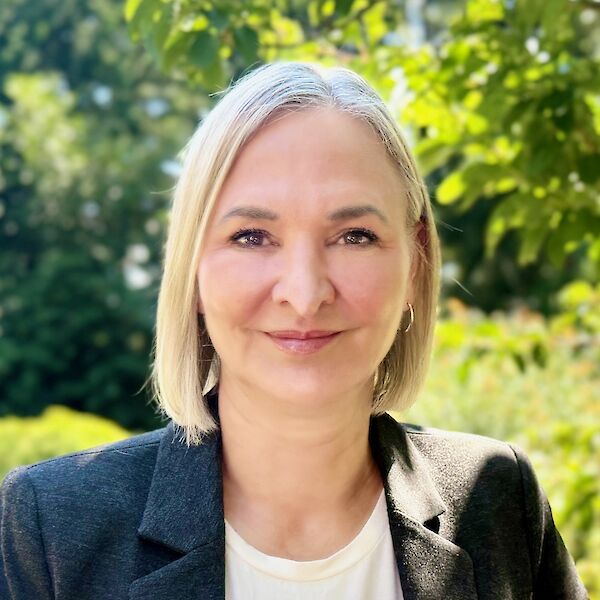
Colette Baty
About
Policy commitments
We all want healthy, affordable, and comfortable homes. These policies will help to lower energy bills, cut pollution, and improve indoor air quality.
Our community is already experiencing the harmful impacts of climate change caused by fossil fuel pollution, and taxpayers are on the hook to upgrade and repair critical infrastructure.
The air we breathe, the water we drink, and the food we eat all rely on healthy ecosystems. Nature can also help protect our community from extreme weather by controlling floods, protecting shorelines, and cooling neighbourhoods. Access to nature improves the health and well-being of residents, and supports biodiversity.
We envision vibrant, walkable communities that protect nature and improve food security.
Connecting neighbourhoods through public transit and active transportation networks will cut pollution, improve public health, and make our communities more affordable (and fun!).
Climate change, increasing populations, and overconsumption threaten our water security. Healthy watersheds and forests are critical to support clean drinking water, stormwater management, climate resilience, and biodiversity for future generations.
Zero waste policies reduce pollution, keep waste out of landfills, build resilient local economies, and safeguard public health by shifting society away from a disposable culture toward a sustainable circular economy.
Climate action
On a personal level, my family and I actively work to minimize our environmental impact and lead by example in Saanich. We have reduced our household transportation footprint by transitioning down to a single electric vehicle. Our home practices centre on resource conservation and local resilience. For example, we choose not to water our lawn to conserve our regional supply, maintain a personal garden to grow our own food, and I have adopted a meat-free diet.
While I am proud of these steps, I recognize that I have much to do and much to learn from local climate experts and our community members as environmental challenges evolve. By combining my professional experience in data-driven decision-making with a personal commitment to sustainability and a willingness to listen, I offer the practical, authentic leadership Saanich Council needs to protect our shared ecosystems.
Questions for Saanich
True climate action requires bold, community-first leadership that integrates environmental stewardship into every decision we make about Saanich’s growth and municipal infrastructure. Over the next four years, my top climate and environmental priorities for Saanich include:
Strategic, Thoughtful Growth: I advocate for densifying housing around transit hubs rather than allowing urban sprawl. By focusing on smart density with stable, varied housing choices, including non-market and family-sized units, we can preserve Saanich's greenspaces and natural areas while lowering vehicle dependency.
Balanced Active Transportation: I support investing in a connected bike lane network, accessible and expanded transit service, and highly walkable communities. Prioritizing universal safety and utility makes alternative transit reliable and naturally lowers our community’s carbon footprint.
Fairer, Greener Water Rates: I champion a tiered water rate structure. This model ensures essential indoor household use remains affordable, while high-volume, discretionary seasonal use triggers a premium rate. This directly encourages conservation and builds a climate-resilient framework for our local resources.
Climate Plan & Canopy Expansion: I am committed to advancing the targets outlined in the Saanich Climate Plan. To build environmental resilience across all neighbourhoods, I support updating municipal regulations to require canopy-cover targets on development sites. This practical strategy ensures we preserve high-value mature trees and grow the urban forest fairly across all areas of Saanich.By focusing on smart development, sustainable infrastructure, and resource conservation, we can meet Saanich's climate goals without compromising household affordability.
\
Rather than treating climate goals, housing affordability, and infrastructure upgrades as separate, conflicting items, I look for areas where they overlap. Our response to the climate crisis is strengthened when we tie environmental metrics directly to our long-term capital and asset planning. When evaluating municipal decisions, I will work with my fellow representatives to ensure every project is weighed by both its immediate fiscal impact and its long-term carbon footprint.
Competing priorities are best managed through transparency, evidence-based data, and respectful collaboration. By framing climate targets as shared opportunities to improve neighbourhood livability, upgrade public transit, and protect our local ecosystems, we can find common ground on council. True environmental sustainability is achieved when municipal guidelines are clear, fiscally responsible, and built on community consensus.
By taking this collaborative approach, we can successfully advance Saanich’s climate strategy while maintaining household affordability and delivering the transparent local services our residents rely on.
Rather than relying strictly on basic online surveys, I will lead by actively engaging residents through inclusive, map-based workshops. This approach brings diverse voices into the planning process early, helping communities co-design localized environmental solutions and build shared ownership over regional plans. Meaningful climate action moves faster and sticks when municipal guidelines are shaped by real community insight and clear, objective data.
Furthermore, leadership means ensuring municipal operations are modern, efficient, and fully accountable to our targets. I will advocate for tying our environmental milestones directly to long-term capital planning, asset management, and smart growth. By managing our municipal budget responsibly and growing our economic revenues, we secure the necessary capacity to invest in sustainable infrastructure, tree canopy targets, and transit options. This balanced leadership ensures Saanich advances its climate strategy decisively while preserving household affordability and local democracy for generations to come.
Vote4Tomorrow is an independent voter guide to evaluate where local candidates stand on climate and environmental policies that will affect our future.