
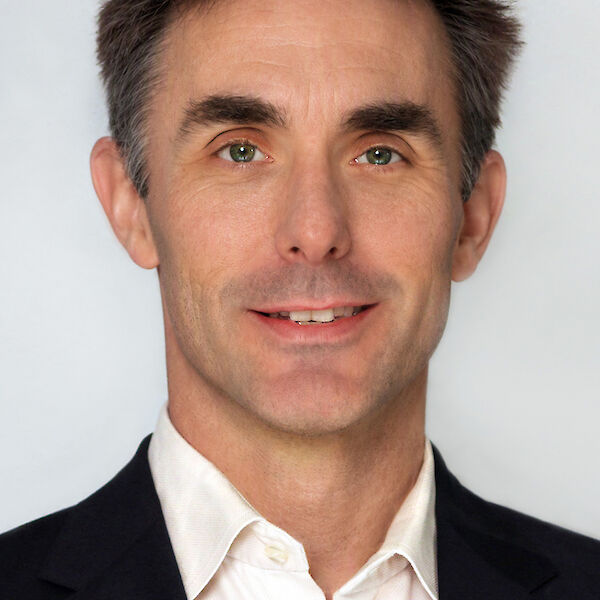
Brendan Ralfs
About
Policy commitments
We all want healthy, affordable, and comfortable homes. These policies will help to lower energy bills, cut pollution, and improve indoor air quality.
Our community is already experiencing the harmful impacts of climate change caused by fossil fuel pollution, and taxpayers are on the hook to upgrade and repair critical infrastructure.
The air we breathe, the water we drink, and the food we eat all rely on healthy ecosystems. Nature can also help protect our community from extreme weather by controlling floods, protecting shorelines, and cooling neighbourhoods. Access to nature improves the health and well-being of residents, and supports biodiversity.
We envision vibrant, walkable communities that protect nature and improve food security.
Connecting neighbourhoods through public transit and active transportation networks will cut pollution, improve public health, and make our communities more affordable (and fun!).
Climate change, increasing populations, and overconsumption threaten our water security. Healthy watersheds and forests are critical to support clean drinking water, stormwater management, climate resilience, and biodiversity for future generations.
Zero waste policies reduce pollution, keep waste out of landfills, build resilient local economies, and safeguard public health by shifting society away from a disposable culture toward a sustainable circular economy.
Climate action
Throughout this career, I have responded to wildfires, floods, extreme heat, drought and other emergencies whose frequency, severity and consequences have steadily increased and been intensified by a changing climate. My responsibilities have included coordinating provincial readiness and response operations, supporting affected communities, protecting lives and critical infrastructure, managing complex multi-agency operations, and helping senior provincial leaders make timely, evidence-based decisions. In these roles, I have helped B.C. communities prepare for, respond to and recover from multiple climate-related disasters.
Beyond career experiences and actions, I was a candidate for the BC Green Party in the 2017 British Columbia provincial election.
My work to reduce my personal carbon footprint, while balancing the other requirements and pursuits in my life, remains a work in progress.
Questions for Saanich
First, we must protect and restore Saanich’s parks, natural areas, watersheds, tree canopy and biodiversity. Growth should be carefully managed so that it does not sacrifice important green space, overwhelm natural systems or undermine rural and neighbourhood character.
Second, we must strengthen Saanich’s resilience. That means long-term investment in drainage, water systems and other infrastructure; reducing the risks associated with wildfire, flooding, extreme heat and drought; protecting natural assets that help manage these hazards; and maintaining strong emergency preparedness and response capabilities.
Third, we should reduce emissions through measures that also provide practical benefits. Priorities should include improving the energy efficiency of municipal buildings, transitioning the municipal fleet where it is operationally and financially sensible, helping residents and businesses access energy-saving programs, and creating a safe, efficient transportation network that improves mobility for drivers, transit users, cyclists and pedestrians.
Finally, Council must set clear priorities, measure results and report progress publicly. Environmental spending should be transparent, cost-effective and directed toward initiatives that deliver meaningful results while taking full advantage of senior-government grants and regional partnerships.
Climate goals should produce tangible improvements that go beyond strongly worded commitments. Saanich needs steady, evidence-based progress that protects our environment, strengthens public safety and preserves our quality of life.
A climate lens should inform decision-making, but it should not automatically override every other responsibility. Council must also consider affordability, housing, public safety, mobility, service delivery, neighbourhood character and fiscal sustainability. Trade-offs, decisions made and actions taken must be clearly understood and transparently communicated.
I would support early consultation with residents, First Nations, businesses, technical experts and affected neighbourhoods.
I would seek provincial and federal funding wherever possible to reduce the burden on Saanich taxpayers.
My approach would be grounded in my experience navigating multiple competing priorities during my career in public service. Where priorities clash, I would work constructively, collaboratively and pragmatically work with my fellow elected representatives to identify the environmental implications of each proposed solution or course of action, weigh those implications alongside other community needs, and pursue the option that delivers the greatest overall public benefit at a responsible cost.
Based on those experiences, I would work with Council to advance meaningful climate action on two fronts. First, the District of Saanich should continue practical and reasonable efforts to reduce its contributions to climate change emissions and to incentivize the broader community to do the same. Second, and unfortunately more critically given the climate realities of the future we collectively now face, we must accelerate adaptation to our changing climate by increasing the resilience of critical infrastructure to the anticipated impacts: more frequent and more severe flooding, windstorms, heat events, drought and other natural disasters.
I would promote clear objectives, realistic implementation plans and transparent public reporting. Climate action should be carefully evaluated for its effectiveness, affordability and overall community benefits.
Vote4Tomorrow is an independent voter guide to evaluate where local candidates stand on climate and environmental policies that will affect our future.