
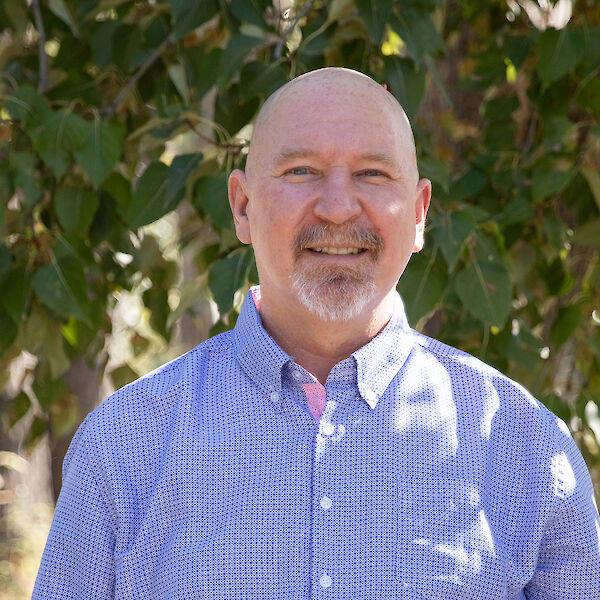
Todd Sanderson
About
Policy commitments
We all want healthy, affordable, and comfortable homes. These policies will help to lower energy bills, cut pollution, and improve indoor air quality.
Our community is already experiencing the harmful impacts of climate change caused by fossil fuel pollution, and taxpayers are on the hook to upgrade and repair critical infrastructure.
The air we breathe, the water we drink, and the food we eat all rely on healthy ecosystems. Nature can also help protect our community from extreme weather by controlling floods, protecting shorelines, and cooling neighbourhoods. Access to nature improves the health and well-being of residents, and supports biodiversity.
We envision vibrant, walkable communities that protect nature and improve food security.
Connecting neighbourhoods through public transit and active transportation networks will cut pollution, improve public health, and make our communities more affordable (and fun!).
Climate change, increasing populations, and overconsumption threaten our water security. Healthy watersheds and forests are critical to support clean drinking water, stormwater management, climate resilience, and biodiversity for future generations.
Zero waste policies reduce pollution, keep waste out of landfills, build resilient local economies, and safeguard public health by shifting society away from a disposable culture toward a sustainable circular economy.
Climate action
Questions for Kelowna
I would also support incentives and faster permitting for high-performance buildings, heat pumps, improved insulation, energy-efficient windows and retrofits to existing buildings. To strengthen resilience to extreme heat, Kelowna should encourage passive cooling, exterior shading, reflective roofing, expanded tree canopy and designs that maintain safe indoor temperatures during heat events and power outages.
These measures should be practical, affordable and supported by measurable results. The City should regularly assess their effect on energy use, emissions, construction costs, housing affordability and approval timelines.
Kelowna’s Tree Protection Bylaw currently protects private trees only in limited areas. I would support reviewing it to provide reasonable protection for significant mature trees while allowing the removal of trees that are hazardous, diseased or inconsistent with FireSmart principles. Development applications should include tree inventories and protection plans, with replacement requirements based on the size and canopy value of trees removed—not simply the number of trees.
On private land, I would expand programs such as NeighbourWoods, provide incentives for property owners and developers to retain mature trees, and encourage planting around homes, businesses and parking areas. New trees should be drought-tolerant, climate-appropriate and supported by adequate soil, water and long-term maintenance.
Our goal should be the right trees in the right places—providing shade, cooling neighbourhoods and strengthening biodiversity without increasing wildfire risk or placing unreasonable costs on property owners.
I would encourage new development in urban centres and along established transit corridors where roads, utilities and public services already exist. This makes better use of taxpayer-funded infrastructure, reduces costly urban sprawl and allows more residents to live closer to employment, shopping and services.
For transit, I would advocate for more frequent and reliable service on high-demand routes, better connections between neighbourhoods and improved shelters, lighting and accessibility at bus stops. I would also support the gradual transition to lower-emission transit and municipal vehicles where it is operationally and financially practical.
For walking and cycling, the City should focus on completing gaps in the existing network, providing safer crossings and building connected, protected routes to schools, employment areas, parks and transit exchanges. These improvements should be coordinated with scheduled road and utility work to reduce costs and disruption.
I would also pursue provincial and federal funding so Kelowna can improve transportation choices without placing the full cost on local property taxpayers.
I would ask the City and RDCO to revisit this issue well before the currently proposed 2030 review. The first step should be an updated, transparent business case comparing the cost of constructing a local processing facility with contracting an existing private or regional facility. It should clearly identify capital costs, annual operating costs, environmental benefits, effects on landfill capacity and the cost to each household.
Any program should include a practical plan for apartments, condominiums, restaurants and other businesses—not only single-family homes. I would support beginning with a controlled pilot program to test collection methods, contamination rates, odour management and public participation before committing taxpayers to a full-scale rollout.
I would also pursue provincial and federal infrastructure funding and cost-sharing with regional partners. I support moving faster, but not issuing a blank cheque. The program must be regionally coordinated, environmentally effective and financially sustainable, with measurable targets and regular public reporting.
My second priority would be expanding Kelowna’s urban tree canopy and protecting significant mature trees. I would implement the Sustainable Urban Forest Strategy, prioritize planting along sidewalks, transit routes, parks and heat-exposed neighbourhoods, and expand incentives for planting on private property. Progress should be reported annually by neighbourhood, including trees planted, survival rates, mature trees removed and replaced, and changes in canopy coverage.
Within four years, residents should see a net increase in healthy public trees, progress toward Kelowna’s 2050 canopy targets, and measurably more shade where people walk, wait for transit and gather. As with all the actions I would champion both initiatives should include clear budgets, annual public reporting and measurable environmental results.
Compiled & presented by

Vote4Tomorrow is an independent voter guide to evaluate where local candidates stand on climate and environmental policies that will affect our future.