JC Rathwell

JC Rathwell

Council · Kelowna
Kelowna 30 yrs

About

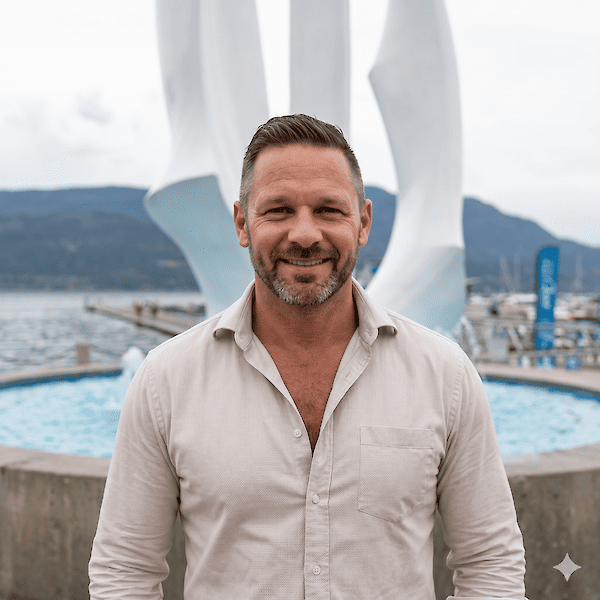
I’ve lived in Kelowna for over 30 years, built small businesses, signed paycheques, and felt the direct impact of City Hall’s decisions. I’m running on a simple idea: we don’t have a “homelessness” problem, we have a drug and soft‑on‑crime problem.

Policy commitments

Buildings

We all want healthy, affordable, and comfortable homes. These policies will help to lower energy bills, cut pollution, and improve indoor air quality.

✓ Support electrification of new buildings. Supportive
✓ Incentivize electric heat pumps and air filtration systems. Supportive
✓ Incentivize renewable energy, battery storage, and smart-grid technologies in new and existing buildings to improve energy security. Supportive
✓ Scale up energy retrofits for existing homes, businesses, and public buildings. Supportive
✓ Implement a 'right to cool' bylaw to protect tenants during extreme heat events. Supportive
Climate Justice

Our community is already experiencing the harmful impacts of climate change caused by fossil fuel pollution, and taxpayers are on the hook to upgrade and repair critical infrastructure.

× Endorse the fossil fuel treaty and commit to phase out fossil fuels. Opposed
× Enact a moratorium on AI data centres to protect our energy and water resources. Opposed
× Pursue available legal options to recover a fair share of the climate costs facing our community from fossil fuel companies and other big polluters. Opposed
× Collaborate with Indigenous peoples as partners in the stewardship of the land, air, and water, and work towards reconciliation. Opposed
Ecosystems

The air we breathe, the water we drink, and the food we eat all rely on healthy ecosystems. Nature can also help protect our community from extreme weather by controlling floods, protecting shorelines, and cooling neighbourhoods. Access to nature improves the health and well-being of residents, and supports biodiversity.

~ Protect and restore ecosystems, which are essential to human survival, health, and economic well-being. Neutral
✓ Expand and protect tree canopy, parks, and green infrastructure to cool neighbourhoods, clean air, and manage stormwater. Supportive
✓ Prioritize native tree planting in all areas, especially those with low tree cover, higher population densities, and more vulnerable residents. Supportive
✓ Create connected urban greenways for people and wildlife. Supportive
Land Use

We envision vibrant, walkable communities that protect nature and improve food security.

✓ Build affordable homes near jobs, schools, shops, and transit. Supportive
✓ Upgrade critical infrastructure for heat, fire, flood, and storm resilience. Supportive
✓ Increase food security by supporting local agriculture and community gardens. Supportive
Transport

Connecting neighbourhoods through public transit and active transportation networks will cut pollution, improve public health, and make our communities more affordable (and fun!).

✓ Deliver reliable, frequent, affordable local transit. Supportive
✓ Advocate to improve regional public transit between communities. Supportive
✓ Build bike and roll networks that are safe for everyone. Supportive
✓ Expand EV charging infrastructure. Supportive
Watersheds

Climate change, increasing populations, and overconsumption threaten our water security. Healthy watersheds and forests are critical to support clean drinking water, stormwater management, climate resilience, and biodiversity for future generations.

✓ Implement water conservation plans and educate the public to conserve drinking water. Supportive
✓ Protect and restore watersheds as vital municipal infrastructure. Supportive
~ Develop and implement a water security plan. Neutral
Zero Waste

Zero waste policies reduce pollution, keep waste out of landfills, build resilient local economies, and safeguard public health by shifting society away from a disposable culture toward a sustainable circular economy.

× Implement zero waste bylaws to divert organic waste and recyclables from disposal. Opposed
× Support the development of a circular economy to eliminate waste and improve resilience. Opposed
× Implement bylaws to eliminate waste from new buildings, renovation, and demolition projects and to use existing buildings as efficiently as possible. Opposed
✓ Supportive
~ Neutral
× Opposed
– No response

Climate action

How have you contributed to climate action in your community through advocacy, past work, advisory committees, volunteer work, and/or reducing your personal carbon footprint?
I’m not a career climate activist; I’m a business owner who believes in practical, measurable actions instead of feel‑good slogans. I’ve pushed for banning single‑use roadside election signs and moving campaigns to digital to cut plastic waste, landfill, and visual clutter, and I’m leading the Old Mill Waterfront Revitalization effort to turn a historic industrial site into a public market with more green space, walkability, and community use. My focus is simple: cut red tape so people can actually build efficient, resilient projects, and hold the current council and province accountable when their “plans” don’t translate into real improvements on the ground

Questions for Kelowna

Would you accelerate Kelowna's adoption of the Zero Carbon Step Code, and what other measures would you support to improve building efficiency and resilience to extreme heat?
I will not rubber‑stamp any building policy that sounds good in a press release but makes housing and business costs explode. I would only accelerate Kelowna’s adoption of the Zero Carbon Step Code where it clearly lowers energy bills, improves comfort, and doesn’t crush small builders or first‑time buyers. I support practical measures like smarter insulation standards, common‑sense cooling requirements, and incentives for efficient systems—but every change must be tested against real‑world costs, not ideology, and the current City Council should be held accountable for any code decisions that helped drive affordability off a cliff.
What policies would you support to protect mature trees, expand Kelowna's tree canopy, and increase shade on both public and private land?
I support strong protection for mature trees and a serious plan to expand Kelowna’s tree canopy—especially in hotter, denser areas where people are actually living and working. I would back clear rules that stop unnecessary clear‑cutting and require meaningful replacement planting, while still allowing homeowners and small businesses to manage their land without drowning in permits and fines.
What would you fund or change over the next four years to improve public transit, walking and cycling, and reduce transportation emissions?
Over the next four years, I’d push for transit that is reliable, safe, and actually used by working people—not just talked about in reports. That means cleaning up drug and crime issues around major stops, tightening routes so buses connect key job, school, and shopping areas, and building walking/cycling infrastructure where it clearly improves safety and usage instead of creating expensive, empty “virtue projects.” Transportation plans must be judged on crime stats, ridership, and commute times, and the current council should be held accountable for
Would you support expediting composting programs and invest in the required facilities in Kelowna? If so, what would you do to make it happen sooner?
Yes, I would support expediting composting programs and investing in the facilities Kelowna needs—but only if the system is simple, efficient, and doesn’t become another costly bureaucratic mess. I’d push for a clear regional facility plan, straightforward curbside or depot programs, and business‑friendly rules that make participation easy instead of punishing small operators with fees and paperwork.
What two climate actions would you champion during your term, and what measurable progress should Kelowna residents expect within four years?
First, I would champion a city‑wide ban on single‑use roadside election signs and similar disposable campaign materials, forcing every candidate—including me—to use digital, reusable, or low‑waste options; within four years, residents should see a dramatic reduction in election plastics going to landfill and cleaner streets during campaigns. Second, I would push a hard rule that any major city infrastructure or building decision must include a public, data‑backed assessment of wildfire, flood, and energy resilience, with clear metrics reported annually—so residents can see exactly how many projects were approved, what risks were reduced, and which council members voted for or against those changes.

Compiled & presented by

Vote4Tomorrow is an independent voter guide to evaluate where local candidates stand on climate and environmental policies that will affect our future.

© 2026 Vote4Tomorrow