
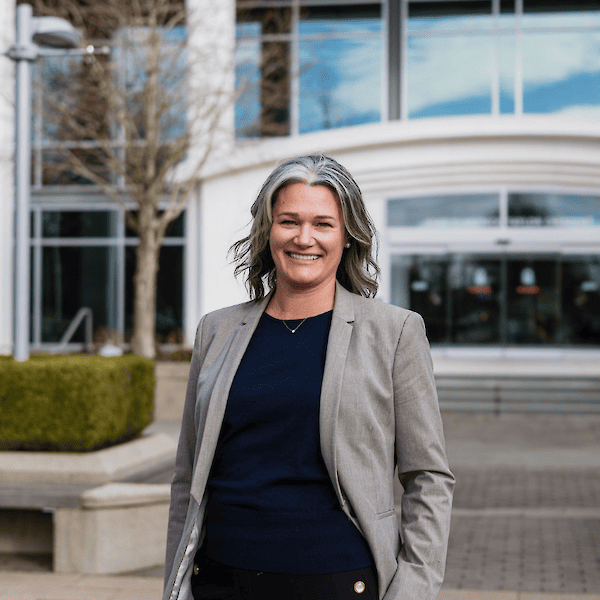
Melissa Granum

Melissa Granum

Mayor · Delta
Climate Leader
Delta 30 yrs

About

Melissa has served nearly 20 years in public-body senior governance roles, including 12 years with DPD. She raised her children in Delta, has volunteered in the community and wants to give back to the community that has given her family so much.

Policy commitments

Buildings

We all want healthy, affordable, and comfortable homes. These policies will help to lower energy bills, cut pollution, and improve indoor air quality.

✓ Support electrification of new buildings. Supportive
✓ Incentivize electric heat pumps and air filtration systems. Supportive
✓ Incentivize renewable energy, battery storage, and smart-grid technologies in new and existing buildings to improve energy security. Supportive
✓ Scale up energy retrofits for existing homes, businesses, and public buildings. Supportive
✓ Implement a 'right to cool' bylaw to protect tenants during extreme heat events. Supportive
Climate Justice

Our community is already experiencing the harmful impacts of climate change caused by fossil fuel pollution, and taxpayers are on the hook to upgrade and repair critical infrastructure.

~ Endorse the fossil fuel treaty and commit to phase out fossil fuels. Neutral
✓ Enact a moratorium on AI data centres to protect our energy and water resources. Supportive
~ Pursue available legal options to recover a fair share of the climate costs facing our community from fossil fuel companies and other big polluters. Neutral
✓ Collaborate with Indigenous peoples as partners in the stewardship of the land, air, and water, and work towards reconciliation. Supportive
Ecosystems

The air we breathe, the water we drink, and the food we eat all rely on healthy ecosystems. Nature can also help protect our community from extreme weather by controlling floods, protecting shorelines, and cooling neighbourhoods. Access to nature improves the health and well-being of residents, and supports biodiversity.

✓ Protect and restore ecosystems, which are essential to human survival, health, and economic well-being. Supportive
✓ Expand and protect tree canopy, parks, and green infrastructure to cool neighbourhoods, clean air, and manage stormwater. Supportive
✓ Prioritize native tree planting in all areas, especially those with low tree cover, higher population densities, and more vulnerable residents. Supportive
✓ Create connected urban greenways for people and wildlife. Supportive
Land Use

We envision vibrant, walkable communities that protect nature and improve food security.

✓ Build affordable homes near jobs, schools, shops, and transit. Supportive
✓ Upgrade critical infrastructure for heat, fire, flood, and storm resilience. Supportive
✓ Increase food security by supporting local agriculture and community gardens. Supportive
Transport

Connecting neighbourhoods through public transit and active transportation networks will cut pollution, improve public health, and make our communities more affordable (and fun!).

✓ Deliver reliable, frequent, affordable local transit. Supportive
✓ Advocate to improve regional public transit between communities. Supportive
✓ Build bike and roll networks that are safe for everyone. Supportive
✓ Expand EV charging infrastructure. Supportive
Watersheds

Climate change, increasing populations, and overconsumption threaten our water security. Healthy watersheds and forests are critical to support clean drinking water, stormwater management, climate resilience, and biodiversity for future generations.

✓ Implement water conservation plans and educate the public to conserve drinking water. Supportive
✓ Protect and restore watersheds as vital municipal infrastructure. Supportive
✓ Develop and implement a water security plan. Supportive
Zero Waste

Zero waste policies reduce pollution, keep waste out of landfills, build resilient local economies, and safeguard public health by shifting society away from a disposable culture toward a sustainable circular economy.

✓ Implement zero waste bylaws to divert organic waste and recyclables from disposal. Supportive
✓ Support the development of a circular economy to eliminate waste and improve resilience. Supportive
~ Implement bylaws to eliminate waste from new buildings, renovation, and demolition projects and to use existing buildings as efficiently as possible. Neutral
✓ Supportive
~ Neutral
× Opposed
– No response

Climate action

How have you contributed to climate action in your community through advocacy, past work, advisory committees, volunteer work, and/or reducing your personal carbon footprint?
My family works from a reduce, reuse, recycle foundation. I encourage buying used/second hand (vehicles, clothing, furniture, etc) to extend a products life cycle - we can reduce carbon footprint from production all the way to keeping items out of our landfills. I learned from our time during COVID that consumption is a key contributor to climate change - our environment began to heal itself. By reducing personal consumption of brand-new goods we can make a collective impact.

Questions for Delta

Do you believe climate change requires urgent action, and why?
Our next generation is considering whether they want to bring children into this world. This is a direct result of the significant climate-related natural disasters from fires to flood to drought. The argument for or against the incredibly urgent need to take action for our climate is a moot point when young adults are deciding not to have children - there is no more evidence that we need.
Do you support mandatory water meters in Delta?
It seems unfair that some homes have water meters while others do not. Water meters would reduce consumption as it would be an incentive to save money on the water bill.
Will you commit to have Delta join the Sue Big Oil Program, a collaboration of British Columbia communities who have made a commitment with West Coast Environmental Law to sue fossil fuel companies to pay their fair share of climate costs?
This is certainly something I would explore in an effort to fund climate change related infrastructure - rising sea levels make dike infrastructure, dredging and retrofitting an urgent need in our low lying areas, and with Burns Bog at risk of drying trends, we must work with the province to protect the bog and surrounding residential areas from the risk of fire.

Compiled & presented by

Vote4Tomorrow is an independent voter guide to evaluate where local candidates stand on climate and environmental policies that will affect our future.

© 2026 Vote4Tomorrow