
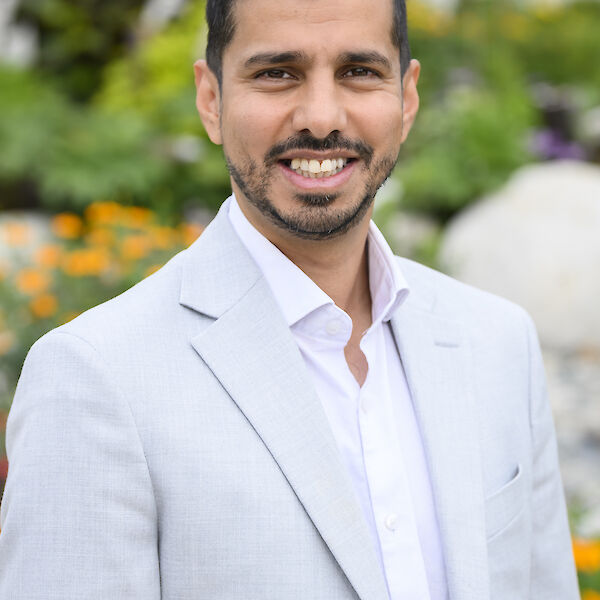
Jat Puri
About
Policy commitments
We all want healthy, affordable, and comfortable homes. These policies will help to lower energy bills, cut pollution, and improve indoor air quality.
Our community is already experiencing the harmful impacts of climate change caused by fossil fuel pollution, and taxpayers are on the hook to upgrade and repair critical infrastructure.
The air we breathe, the water we drink, and the food we eat all rely on healthy ecosystems. Nature can also help protect our community from extreme weather by controlling floods, protecting shorelines, and cooling neighbourhoods. Access to nature improves the health and well-being of residents, and supports biodiversity.
We envision vibrant, walkable communities that protect nature and improve food security.
Connecting neighbourhoods through public transit and active transportation networks will cut pollution, improve public health, and make our communities more affordable (and fun!).
Climate change, increasing populations, and overconsumption threaten our water security. Healthy watersheds and forests are critical to support clean drinking water, stormwater management, climate resilience, and biodiversity for future generations.
Zero waste policies reduce pollution, keep waste out of landfills, build resilient local economies, and safeguard public health by shifting society away from a disposable culture toward a sustainable circular economy.
Climate action
At home, my family keeps things just as practical. We focus on daily habits that make a difference, like cutting down on household waste, conserving energy, and keeping single-use items out of our house. I also spend a lot of time chatting with my neighbors about the real changes they see happening right here in Delta, from unpredictable weather to the rising cost of utilities.
I'm not a career politician, but someone who has spent years managing logistics under pressure, ensuring operational continuity, and asking the hard questions when handling unexpected situations. Real climate action at City Hall means applying that exact same focus to Delta by making sure our municipal plans work, looking closely at how our infrastructure dollars are spent, and keeping our community safe and functional.
Questions for Delta
It's a massive financial gamble to just sit back and react to these emergencies as they happen. If we wait for a crisis to hit before we fix things, taxpayers are the ones who get stuck with an inflated bill.
Urgent action simply means being smart and getting ahead of the problem. For Delta, that looks like upgrading our dykes and stormwater systems right now, expanding our tree canopy to cool down paved neighborhoods, and strictly protecting our Agricultural Land Reserve so we have local food security. Taking action today isn't just about the environment. It is about protecting our budget and keeping our communities safe.
Right now, roughly 70 percent of Delta homes don't have these meters. Forcing everyone to get one all at once means a massive up front cost for buying and installing the equipment. Our Delta First team is fully committed to transparency and watching how every single public dollar is spent. Before the city commits to an expensive project for homeowners, we need to see a clear, public breakdown of the costs and benefits.
In the meantime, Delta should focus on better public education, stronger conservation incentives, and expanding voluntary metering programs. If we do eventually move toward regional standards, it has to be a phased rollout with real protections for low income households. We need to work with residents to save water, and manage cost of living leading to already tight household budgets.
Our immediate priority must be protecting Delta right here at home. Instead of spending local tax money on speculative court cases, I want to see our infrastructure budgets used directly on our community by strengthening our dykes, fixing local drainage, and protecting our farms from immediate climate threats.
Compiled & presented by
Vote4Tomorrow is an independent voter guide to evaluate where local candidates stand on climate and environmental policies that will affect our future.