
tina pashumati james
About
Policy commitments
We all want healthy, affordable, and comfortable homes. These policies will help to lower energy bills, cut pollution, and improve indoor air quality.
Our community is already experiencing the harmful impacts of climate change caused by fossil fuel pollution, and taxpayers are on the hook to upgrade and repair critical infrastructure.
The air we breathe, the water we drink, and the food we eat all rely on healthy ecosystems. Nature can also help protect our community from extreme weather by controlling floods, protecting shorelines, and cooling neighbourhoods. Access to nature improves the health and well-being of residents, and supports biodiversity.
We envision vibrant, walkable communities that protect nature and improve food security.
Connecting neighbourhoods through public transit and active transportation networks will cut pollution, improve public health, and make our communities more affordable (and fun!).
Climate change, increasing populations, and overconsumption threaten our water security. Healthy watersheds and forests are critical to support clean drinking water, stormwater management, climate resilience, and biodiversity for future generations.
Zero waste policies reduce pollution, keep waste out of landfills, build resilient local economies, and safeguard public health by shifting society away from a disposable culture toward a sustainable circular economy.
Climate action
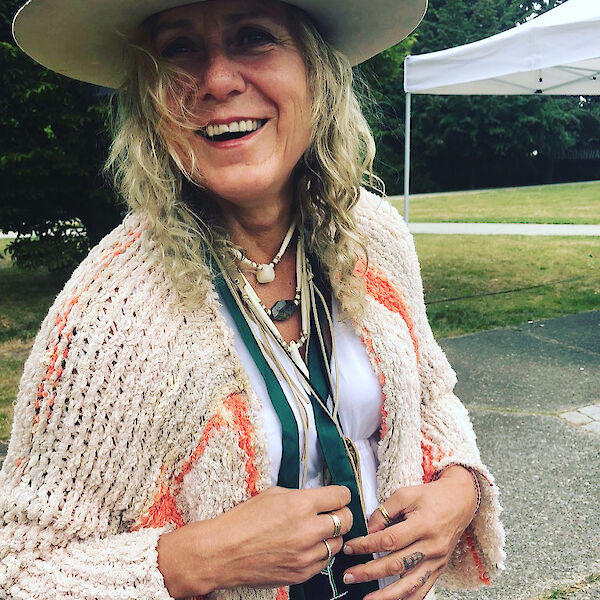
Tina is a Director of BearKind.ca, dedicated to educating communities and promoting coexistence between people and wildlife. She is also part of the Whistler Bear Collective Fast Response Team, supporting bear safety and helping reduce human-wildlife conflict in the valley.
Her commitment to animals began early in life. Tina has been vegan since birth, has rescued animals, and previously operated an owl sanctuary. These experiences have shaped her belief that protecting wildlife requires compassion, education, and practical solutions that allow people and animals to thrive together.
Tina volunteered with Whistler Ski Patrol for 10 years, developing a deep connection to the mountains and the people who live, work, and play here.
Her environmental advocacy extends beyond Whistler. Tina organized a rally opposing the removal of old-growth trees in the Fairy Creek area, standing up for ancient forests and the ecosystems they support.
Tina is running for Whistler Council because she believes our community has an opportunity to lead on wildlife protection, habitat conservation, climate action, and responsible growth. She wants to help build a Whistler where environmental stewardship is integrated into decision-making and where residents, visitors, businesses, and wildlife can coexist.
For Tina, protecting Whistler’s natural environment means protecting the very heart of the community. She believes meaningful change begins with listening, collaboration, education, and courageous action to protect the places we call home.
Questions for Whistler
1. Make wildfire preparedness a community-wide priority.
Accelerate strategic fuel management, FireSmart, evacuation planning and emergency exercises, while coordinating across municipal, provincial, federal, private and First Nations jurisdictions. Whistler identifies wildfire as its greatest climate-related risk.
2. Protect the natural systems that protect us.
Treat forests, wetlands, waterways, wildlife corridors and biodiversity as climate infrastructure. Protecting habitat can also help maintain ecological resilience as conditions change. The OCP specifically calls for reducing habitat fragmentation and strengthening ecosystem resilience.
3. Build infrastructure for the climate we are actually experiencing.
Upgrade drainage, roads, bridges, water systems and critical infrastructure for heavier rainfall, rain-on-snow events, drought, heat and wildfire. The RMOW already identifies these as increasing risks.
4. Prepare people—not just infrastructure.
Create clear, practiced emergency plans for wildfire, smoke, extreme heat, floods and evacuation, with particular attention to seniors, people with disabilities, workers, visitors and people without vehicles.
5. Make climate resilience part of every major municipal decision.
Before approving major development, infrastructure or land-use decisions, ask: How will this perform under the climate Whistler is likely to experience 20–50 years from now?
“Over the next four years, Whistler needs to prepare for the climate we are actually going to live with — hotter, drier summers, greater wildfire risk, extreme weather and changing ecosystems. We need to protect our forests and wildlife, strengthen our infrastructure, prepare our community for emergencies, and make climate resilience part of every major decision. Climate action isn’t just about reducing emissions. It’s about
Whistler cannot address climate change and environmental sustainability alone. Over the next four years, the Resort Municipality of Whistler should strengthen long-term partnerships with organizations such as AWARE, BearKind, Whistler Bear Collective, Protect Our Winters, arts and cultural groups, businesses, recreation organizations and community associations.
I would like to see the RMOW create a more coordinated Community Climate Partnership that brings these groups together regularly to identify priorities, share knowledge and turn good ideas into measurable action.
Partnerships should focus on practical projects: protecting wildlife and habitat, reducing human-wildlife conflict, restoring ecosystems, preparing for wildfire and extreme weather, reducing waste, expanding sustainable transportation, and educating residents and visitors about climate resilience.
The municipality could provide small grants, shared resources, staff support and access to municipal facilities for community-led environmental projects. Organizations receiving municipal funding could establish clear goals and report annually on outcomes, creating greater accountability while recognizing the expertise already present in our community.
I also believe Whistler should create more opportunities for youth, artists, educators, businesses and Indigenous partners to participate in climate conversations and solutions.
The RMOW’s existing climate plan recognizes that Whistler’s resilience depends on collective action, and municipal reporting has identified collaboration with stakeholders, residents and businesses as essential to achieving its climate goals.
Whistler already has extraordinary people and organizations doing this work. Our opportunity is to connect them, support them and give them a stronger voice in building a resilient future.
Whistler cannot address climate change and environmental sustainability alone. Over the next four years, the Resort Municipality of Whistler should strengthen long-term partnerships with organizations such as AWARE, BearKind, Whistler Bear Collective, Protect Our Winters, arts and cultural groups, businesses, recreation organizations and community associations.
I would like to see the RMOW create a more coordinated Community Climate Partnership that brings these groups together regularly to identify priorities, share knowledge and turn good ideas into measurable action.
Partnerships should focus on practical projects: protecting wildlife and habitat, reducing human-wildlife conflict, restoring ecosystems, preparing for wildfire and extreme weather, reducing waste, expanding sustainable transportation, and educating residents and visitors about climate resilience.
The municipality could provide small grants, shared resources, staff support and access to municipal facilities for community-led environmental projects. Organizations receiving municipal funding could establish clear goals and report annually on outcomes, creating greater accountability while recognizing the expertise already present in our community.
I also believe Whistler should create more opportunities for youth, artists, educators, businesses and Indigenous partners to participate in climate conversations and solutions.
The RMOW’s existing climate plan recognizes that Whistler’s resilience depends on collective action, and municipal reporting has identified collaboration with stakeholders, residents and businesses as essential to achieving its climate goals.
Whistler already has extraordinary people and organizations doing this work. Our opportunity is to connect them, support them and give them a stronger voice in building a resilient future.
?
For me, this includes a strong commitment to non-lethal bear management. We should invest further in prevention, education, attractant management, early intervention and community-based response so that bears are not paying the price for human behaviour. Whistler needs bearkind and the whistler bear collective. I would like to see these partnerships strengthened and expanded.
I would also prioritize protecting and connecting critical habitat, old-growth and mature forests, wetlands, riparian areas and wildlife corridors. Whistler’s Priority Habitat Framework already identifies these areas as important to biodiversity and climate resilience.
Watershed protection must be equally important. We should protect stream and lake health, strengthen riparian buffers, monitor water quality and plan for drought, flooding and changing precipitation patterns.
Finally, every major development and infrastructure decision should consider its impact on habitat, biodiversity, water and wildlife movement.
Whistler’s natural environment is not something we can replace once it is gone. Our responsibility is to protect it, restore what has been damaged and find better ways for people and wildlife to coexist.
My dream for Whistler is a community where development works with nature rather than against it. Before approving major projects, we should ask what they mean for wildlife habitat, water, forests, biodiversity and climate resilience — and whether there are better ways to achieve the same community benefit with less environmental impact.
A fundamental part of my vision is a stronger commitment to non-lethal bear management. I believe Whistler should lead by example and make every reasonable effort to prevent bears from being killed. That means investing in attractant management, education, early intervention, rapid response and proven coexistence strategies before a bear reaches a crisis point. Human behaviour and development decisions can create wildlife conflict, and we have a responsibility to address those causes rather than simply responding after the fact.
I would also prioritize thoughtful infill, protection of wildlife corridors, forests, wetlands and watersheds, and climate-resilient development that reduces emissions and prepares Whistler for wildfire and extreme weather.
My experience with bear education, wildlife rescue and the Whistler Bear Collective has shown me that coexistence requires commitment, resources and compassion.
I want Whistler to become a model for living alongside wildlife — a place where protecting our bears is considered part of responsible community planning, not an afterthought.
We can evolve without sacrificing the
Compiled & presented by

Vote4Tomorrow is an independent voter guide to evaluate where local candidates stand on climate and environmental policies that will affect our future.