
Robin Brown

Robin Brown

Council · Whistler
Whistler 46 yrs

About

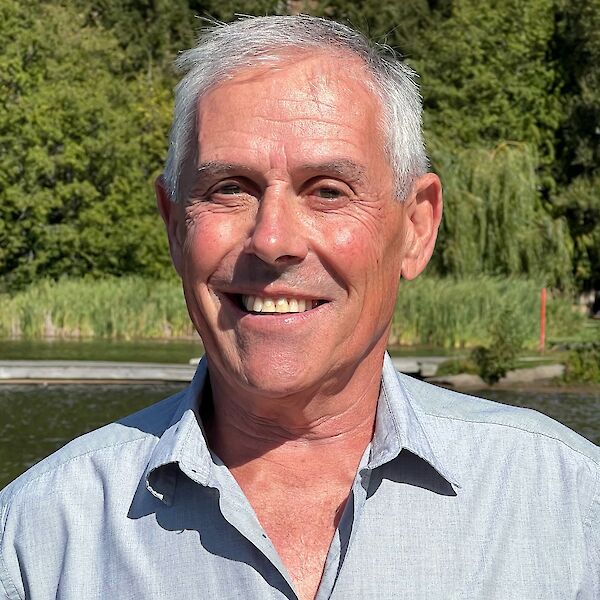
Full time resident for 25 years and taxpayer for 39 years. Practising Professional Engineer for 45 years, with my own firm for the last 33 years. My Wife and I built our home 25 years ago and made it our home as we wanted to live here.

Policy commitments

Buildings

We all want healthy, affordable, and comfortable homes. These policies will help to lower energy bills, cut pollution, and improve indoor air quality.

✓ Support electrification of new buildings. Supportive
✓ Incentivize electric heat pumps and air filtration systems. Supportive
✓ Incentivize renewable energy, battery storage, and smart-grid technologies in new and existing buildings to improve energy security. Supportive
✓ Scale up energy retrofits for existing homes, businesses, and public buildings. Supportive
✓ Implement a 'right to cool' bylaw to protect tenants during extreme heat events. Supportive
Climate Justice

Our community is already experiencing the harmful impacts of climate change caused by fossil fuel pollution, and taxpayers are on the hook to upgrade and repair critical infrastructure.

✓ Endorse the fossil fuel treaty and commit to phase out fossil fuels. Supportive
✓ Collaborate with Indigenous peoples as partners in the stewardship of the land, air, and water, and work towards reconciliation. Supportive
Ecosystems

The air we breathe, the water we drink, and the food we eat all rely on healthy ecosystems. Nature can also help protect our community from extreme weather by controlling floods, protecting shorelines, and cooling neighbourhoods. Access to nature improves the health and well-being of residents, and supports biodiversity.

✓ Protect and restore ecosystems, which are essential to human survival, health, and economic well-being. Supportive
✓ Expand and protect tree canopy, parks, and green infrastructure to cool neighbourhoods, clean air, and manage stormwater. Supportive
✓ Create connected urban greenways for people and wildlife. Supportive
Land Use

We envision vibrant, walkable communities that protect nature and improve food security.

✓ Build affordable homes near jobs, schools, shops, and transit. Supportive
✓ Upgrade critical infrastructure for heat, fire, flood, and storm resilience. Supportive
✓ Increase food security by supporting local agriculture and community gardens. Supportive
Transport

Connecting neighbourhoods through public transit and active transportation networks will cut pollution, improve public health, and make our communities more affordable (and fun!).

✓ Deliver reliable, frequent, affordable local transit. Supportive
✓ Advocate to improve regional public transit between communities. Supportive
✓ Build bike and roll networks that are safe for everyone. Supportive
✓ Expand EV charging infrastructure. Supportive
Watersheds

Climate change, increasing populations, and overconsumption threaten our water security. Healthy watersheds and forests are critical to support clean drinking water, stormwater management, climate resilience, and biodiversity for future generations.

✓ Implement water conservation plans and educate the public to conserve drinking water. Supportive
✓ Protect and restore watersheds as vital municipal infrastructure. Supportive
✓ Develop and implement a water security plan. Supportive
Zero Waste

Zero waste policies reduce pollution, keep waste out of landfills, build resilient local economies, and safeguard public health by shifting society away from a disposable culture toward a sustainable circular economy.

✓ Implement zero waste bylaws to divert organic waste and recyclables from disposal. Supportive
✓ Support the development of a circular economy to eliminate waste and improve resilience. Supportive
✓ Implement bylaws to eliminate waste from new buildings, renovation, and demolition projects and to use existing buildings as efficiently as possible. Supportive
✓ Supportive
~ Neutral
× Opposed
– No response

Climate action

How have you contributed to climate action in your community through advocacy, past work, advisory committees, volunteer work, and/or reducing your personal carbon footprint?
Reducing carbon foot print by reducing energy consumption for heating, we do not have air conditioning. Reduce driving by using E bikes to get around. Utilizing bus transport to get to Vancouver when it is suitable. We actively do fire smarting on our property. Our home is 25 years old and as items fail or need replacing we use low energy consumption replacements.

Questions for Whistler

What should Whistler's top priorities be over the next four years to prepare for climate-related risks such as extreme weather, wildfire impacts, and changing environmental conditions?
The valley seems to have grown beyond the the level it can support, this is seen in the overcrowding of the roads, parks, mountains trails and village. The increase numbers are putting strain on the ecosystems and generally reducing the quality of a mountain experience. The increased highway traffic is producing more green house gas. the growth of the the town needs to be slowed down to a sustainable level. The Fire Smart program needs to be maintained.
How should the Resort Municipality of Whistler strengthen its partnerships with community organizations to advance environmental sustainability, climate action, and community resilience?
The RMOW should implement strategies that will make an immediate impact such as reducing traffic volume and green house gas in the valley. Continue with fire smarting to reduce the potential from wildfires
What indicators should Council use to evaluate Whistler's success beyond economic growth and tourism, and how would those indicators influence your decision-making?
The RMOW should focus on the livability in the valley. This includes managing growth to reduce traffic numbers, the number of people in a limited space and the overcrowding on roads, trails, parks. This impacts the liveablity for the residents of this town and the animals that make this their home.
Whistler's natural environment is central to its identity, economy, and quality of life. What actions would you prioritize to protect local ecosystems, biodiversity, and watershed health over the next four years?
Again we need to consider the number of vehicles, and people that come into the valley. We should not be displacing the wildlife and vegetation as it is an important part of our identity. Over tourism will be the downfall of the environment and the ecosystems it supports.
As Whistler continues to evolve, how would you balance growth and development with environmental protection and long-term climate goals?
We need to understand what the population limit is that the will not damage the environment and make meaningful progress towards long term goals. We used to have a bed cap that was intended to identify what population the valley could support. The importance of this has been diminished in the pursuit of growth. We need to look back and see how to get back on track.

Compiled & presented by

Vote4Tomorrow is an independent voter guide to evaluate where local candidates stand on climate and environmental policies that will affect our future.

© 2026 Vote4Tomorrow
