
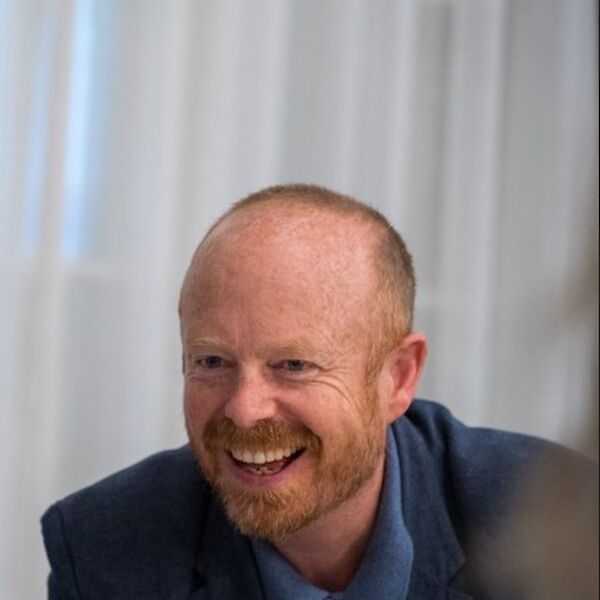
Jack Crompton

Jack Crompton

Mayor · Whistler
Alta Vista 28 yrs

About

We have raised our family here. On Council, I've worked to advance housing, climate action, & community well-being locally, while contributing to climate leadership efforts across British Columbia through the BC Municipal Climate Leadership Council.

Policy commitments

Buildings

We all want healthy, affordable, and comfortable homes. These policies will help to lower energy bills, cut pollution, and improve indoor air quality.

✓ Support electrification of new buildings. Supportive
✓ Incentivize electric heat pumps and air filtration systems. Supportive
✓ Incentivize renewable energy, battery storage, and smart-grid technologies in new and existing buildings to improve energy security. Supportive
✓ Scale up energy retrofits for existing homes, businesses, and public buildings. Supportive
✓ Implement a 'right to cool' bylaw to protect tenants during extreme heat events. Supportive
Climate Justice

Our community is already experiencing the harmful impacts of climate change caused by fossil fuel pollution, and taxpayers are on the hook to upgrade and repair critical infrastructure.

✓ Endorse the fossil fuel treaty and commit to phase out fossil fuels. Supportive
✓ Collaborate with Indigenous peoples as partners in the stewardship of the land, air, and water, and work towards reconciliation. Supportive
Ecosystems

The air we breathe, the water we drink, and the food we eat all rely on healthy ecosystems. Nature can also help protect our community from extreme weather by controlling floods, protecting shorelines, and cooling neighbourhoods. Access to nature improves the health and well-being of residents, and supports biodiversity.

✓ Protect and restore ecosystems, which are essential to human survival, health, and economic well-being. Supportive
✓ Expand and protect tree canopy, parks, and green infrastructure to cool neighbourhoods, clean air, and manage stormwater. Supportive
✓ Create connected urban greenways for people and wildlife. Supportive
Land Use

We envision vibrant, walkable communities that protect nature and improve food security.

✓ Build affordable homes near jobs, schools, shops, and transit. Supportive
✓ Upgrade critical infrastructure for heat, fire, flood, and storm resilience. Supportive
✓ Increase food security by supporting local agriculture and community gardens. Supportive
Transport

Connecting neighbourhoods through public transit and active transportation networks will cut pollution, improve public health, and make our communities more affordable (and fun!).

✓ Deliver reliable, frequent, affordable local transit. Supportive
✓ Advocate to improve regional public transit between communities. Supportive
✓ Build bike and roll networks that are safe for everyone. Supportive
✓ Expand EV charging infrastructure. Supportive
Watersheds

Climate change, increasing populations, and overconsumption threaten our water security. Healthy watersheds and forests are critical to support clean drinking water, stormwater management, climate resilience, and biodiversity for future generations.

✓ Implement water conservation plans and educate the public to conserve drinking water. Supportive
✓ Protect and restore watersheds as vital municipal infrastructure. Supportive
✓ Develop and implement a water security plan. Supportive
Zero Waste

Zero waste policies reduce pollution, keep waste out of landfills, build resilient local economies, and safeguard public health by shifting society away from a disposable culture toward a sustainable circular economy.

✓ Implement zero waste bylaws to divert organic waste and recyclables from disposal. Supportive
✓ Support the development of a circular economy to eliminate waste and improve resilience. Supportive
✓ Implement bylaws to eliminate waste from new buildings, renovation, and demolition projects and to use existing buildings as efficiently as possible. Supportive
✓ Supportive
~ Neutral
× Opposed
– No response

Climate action

How have you contributed to climate action in your community through advocacy, past work, advisory committees, volunteer work, and/or reducing your personal carbon footprint?
At the beginning of this term Council struck the Climate & Environment Committee to guide implementation of the 6 Big Moves, and I have served on that committee for the past four years. I also sit on the BC Municipal Climate Leadership Council, Fraser Basin Council, and I am an active supporter of Protect Our Winters. Through these roles, I have advocated and worked for stronger climate policy, wildfire preparedness, and practical emissions reductions at all orders of government and in civil society.

Personally, my carbon footprint commitment is simple: I walk everywhere. Its funny to say but, walking has changed my life.

Questions for Whistler

What should Whistler's top priorities be over the next four years to prepare for climate-related risks such as extreme weather, wildfire impacts, and changing environmental conditions?
We should continue our work on fuel reduction and Firesmart. We should continue to implement and grow the Sensenet Wildfire Detection System. We should further improve our wildfire defense posture to the south by opening the Spring Creek Fire Hall for 24 hour service. We should support our fire service in their efforts to improve there infrastructure and services by progressively implementing the Wildfire Defence Plan. We should further improve coordination with BC Wildfire and Corridor municipalities through shared training and table top exercises. We should continue the work of the Emergency Planning Commission and its focus on wildfire and flood response. We should increase the frequency of meetings and partnership with the Hotel Association of Whistler on emergency management.

We must continue our climate mitigation efforts to help reduce the severity of these events over time.
How should the Resort Municipality of Whistler strengthen its partnerships with community organizations to advance environmental sustainability, climate action, and community resilience?
POW and AWARE are great partners in delivering community engagement and action on climate. The AWARE Zero Waste stations and the POW/RMOW community firesmart days are a great example of how we can partner to engage Whistlerites in taking action. Climate advocacy and activism remain important roles of both those organizations so as much as we partner, the RMOW also needs to remain open to being pushed to do better.

I have seen great promise in RMOW partnership with the Hotel Association of Whistler on emergency and evacuation planning. I think that kind coordination is important for the RMOW to build with all community organizations. Effective emergency planning requires the RMOW to be a good listener. Building stronger partnerships starts with listening, and that is an area where we will continue to improve.
What indicators should Council use to evaluate Whistler's success beyond economic growth and tourism, and how would those indicators influence your decision-making?
We currently measure community and corporate GHGs, and I think that should continue. Single-occupancy vehicle travel is the largest contributor to our community carbon footprint. With that in mind, I think we should pay close attention to our transportation mix, modal shift, and single occupancy vehicle average rider counts. If we can move from 1.3 people per car to 3+ people per car we will make a real change. From an RMOW corporate perspective, I think we should measure our organization's transition of vehicles/equipment to alternative forms of energy.

Beyond emissions, I think measures of community health such as housing affordability, employee housing availability, and resident satisfaction are incredibly important indicators of success. A successful Whistler is one where people can build their lives here, not just visit.
Whistler's natural environment is central to its identity, economy, and quality of life. What actions would you prioritize to protect local ecosystems, biodiversity, and watershed health over the next four years?
I think Bob Brett's work on the Priority Habitat Framework was one of the most important pieces of work from this last term of Council. The RMOW now has a data driven map to guide our development and environmental protection. Over the next four years I think there is value in growing awareness of some of the areas that are the most ecologically sensitive. The Rainbow Wildlife Corridor and Jane Lakes area are great examples of places that we need to build awareness around. That awareness and further public policy will be critical to ensuring these places are protected for future generations.

There are some pretty basic actions we have been taking over the last few years that I am eager to see continue. The renovation of Rainbow Park is a good example of including environmental protection in asset replacement. That project saw the rewilding of a part of the park that needed protection. Other basics are water conservation, the weiring of the River of Golden Dreams, and improved waste stream separation throughout the community. I am convinced we must get the basics right on the environment.
As Whistler continues to evolve, how would you balance growth and development with environmental protection and long-term climate goals?
I am convinced that the preservation of the Whistler Urban Development Containment Area (WUDCA) is the most important thing we can do to ensure we protect the land base. Maintaining the WUDCA means the wild places stay wild and we focus new development where it already exists. One of the most important things we can do for plants and animals is resist building new neighborhoods that reach into forests and greenways. We have opportunities to build housing inside the WUDCA, so we do not need to start reaching outside that boundary.

As challenging as the province's adoption of the Small-Scale Multi-Unit Housing has been for municipalities, there is an opportunity. The opportunity is that Whistler neighborhoods that have traditionally been mostly second homes can become homes for Whistler workers and families. As the province's effort to densify existing neighborhoods continues, I hope the result for us is local kids in the streets of Alta Vista and Brio. More homes on existing lots can result in less future development in what are now Whistler's wildlife corridors.

Campaign contributions

Public records from Elections BC — 2 contributions totalling $1,375.64.

2018 GENERAL LOCAL ELECTIONS

1 contribution · $166.61

Contributor Date Amount Office Jurisdiction
JACK CROMPTON Sep 20, 2018 $166.61 MAYOR WHISTLER

2014 GENERAL LOCAL ELECTIONS

1 contribution · $1,209.03

Contributor Date Amount Office Jurisdiction
JACK CROMPTON Nov 14, 2014 $1,209.03 COUNCILLOR WHISTLER

Compiled & presented by

Vote4Tomorrow is an independent voter guide to evaluate where local candidates stand on climate and environmental policies that will affect our future.

© 2026 Vote4Tomorrow
