
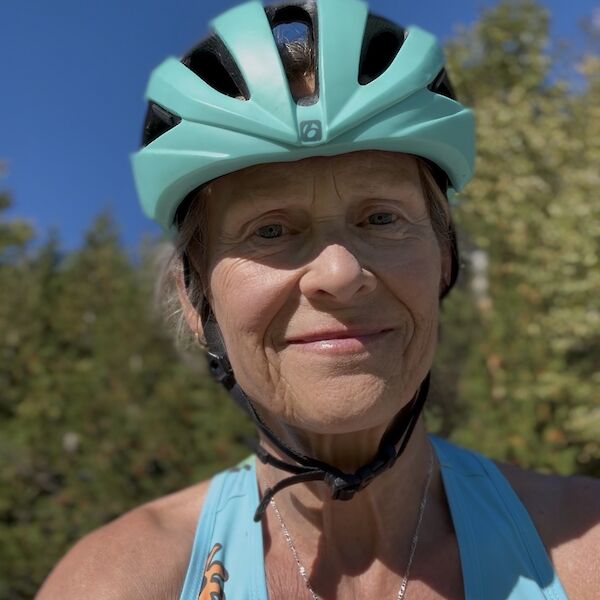
Dawn Titus

Dawn Titus

Council · Whistler
Rainbow Bear Paw Trail 43 yrs

About

43 year resident. Educator Sea2Sky Queen’s U. Canada Triathlon; raced Hawaii Ironman. Twin sons. 10 years of engagement in Municipal government, appointed to RLAC 2018. Aware, MAC, Worca member. Ski and Yoga instructor 40 yrs Volunteering 😊

Policy commitments

Buildings

We all want healthy, affordable, and comfortable homes. These policies will help to lower energy bills, cut pollution, and improve indoor air quality.

βœ“ Support electrification of new buildings. Supportive
βœ“ Incentivize electric heat pumps and air filtration systems. Supportive
βœ“ Incentivize renewable energy, battery storage, and smart-grid technologies in new and existing buildings to improve energy security. Supportive
βœ“ Scale up energy retrofits for existing homes, businesses, and public buildings. Supportive
βœ“ Implement a 'right to cool' bylaw to protect tenants during extreme heat events. Supportive
Climate Justice

Our community is already experiencing the harmful impacts of climate change caused by fossil fuel pollution, and taxpayers are on the hook to upgrade and repair critical infrastructure.

βœ“ Endorse the fossil fuel treaty and commit to phase out fossil fuels. Supportive
βœ“ Collaborate with Indigenous peoples as partners in the stewardship of the land, air, and water, and work towards reconciliation. Supportive
Ecosystems

The air we breathe, the water we drink, and the food we eat all rely on healthy ecosystems. Nature can also help protect our community from extreme weather by controlling floods, protecting shorelines, and cooling neighbourhoods. Access to nature improves the health and well-being of residents, and supports biodiversity.

βœ“ Protect and restore ecosystems, which are essential to human survival, health, and economic well-being. Supportive
βœ“ Expand and protect tree canopy, parks, and green infrastructure to cool neighbourhoods, clean air, and manage stormwater. Supportive
βœ“ Create connected urban greenways for people and wildlife. Supportive
Land Use

We envision vibrant, walkable communities that protect nature and improve food security.

βœ“ Build affordable homes near jobs, schools, shops, and transit. Supportive
βœ“ Upgrade critical infrastructure for heat, fire, flood, and storm resilience. Supportive
βœ“ Increase food security by supporting local agriculture and community gardens. Supportive
Transport

Connecting neighbourhoods through public transit and active transportation networks will cut pollution, improve public health, and make our communities more affordable (and fun!).

βœ“ Deliver reliable, frequent, affordable local transit. Supportive
βœ“ Advocate to improve regional public transit between communities. Supportive
βœ“ Build bike and roll networks that are safe for everyone. Supportive
~ Expand EV charging infrastructure. Neutral
Watersheds

Climate change, increasing populations, and overconsumption threaten our water security. Healthy watersheds and forests are critical to support clean drinking water, stormwater management, climate resilience, and biodiversity for future generations.

βœ“ Implement water conservation plans and educate the public to conserve drinking water. Supportive
βœ“ Protect and restore watersheds as vital municipal infrastructure. Supportive
βœ“ Develop and implement a water security plan. Supportive
Zero Waste

Zero waste policies reduce pollution, keep waste out of landfills, build resilient local economies, and safeguard public health by shifting society away from a disposable culture toward a sustainable circular economy.

βœ“ Implement zero waste bylaws to divert organic waste and recyclables from disposal. Supportive
βœ“ Support the development of a circular economy to eliminate waste and improve resilience. Supportive
βœ“ Implement bylaws to eliminate waste from new buildings, renovation, and demolition projects and to use existing buildings as efficiently as possible. Supportive
βœ“ Supportive
~ Neutral
Γ— Opposed
– No response

Climate action

How have you contributed to climate action in your community through advocacy, past work, advisory committees, volunteer work, and/or reducing your personal carbon footprint?
Aware member, Strata member overseeing waste disposal; composting, The remaining contributions are focused on my own personal footprint :Use ZeroHeroes at community events, commute predominately by bike, cancelled flight to Europe 2026- due to fires &global warming / further reduced air travel- 1 domestic flight only 2026 *** I invested in a Passive Home / Durfeld constructed ~ reduced square footage; electric only, no wood stove but a great HVAC system ( electric bill approx 100$/month in a 3 BR duplex ) Recycle Recycle and donations to Re-use it Center… contribute to Circular economy (rethinking how I buy, use and dispose of things). Have learned to do better meal planning to reduce food waste! Trying to do more and Do better!

Questions for Whistler

What should Whistler's top priorities be over the next four years to prepare for climate-related risks such as extreme weather, wildfire impacts, and changing environmental conditions?
The top priorities for Whistler to prepare for climate-related risks and changing environment conditions over the next four years would include the following.
1 - Prepare for Fire (it is not ‘if’, but when) 2. A reduction in Visitor Travel Emissions 3. Protection of our Water Supply 4. Improving protection for all old growth forest located in the Community Forest

*** fire - provide residents with more tools to actually fire-proof homes (Western Wildfire or Prodigy)
*** BIG Moves - Whistler's Climate Change Strategy = Improve/Improve/Improve (we are 'not doing well to meet the target of 50% reduction of emissions )
*** Adaptation Goal 2 - review and improve flood planes and stormwater systems; protect drinking and firefighting water from potential contamination // Also encourage residents to capture water at their residences; create zero-water landscapes etc
**** Ongoing conversations about logging in the Community Forest - A Tree is worth more standing !
How should the Resort Municipality of Whistler strengthen its partnerships with community organizations to advance environmental sustainability, climate action, and community resilience?
One of the best ways that Whistler could strengthen it’s partnerships in the Community is to work more closely with AWARE - established in 1989! For almost 40 years this 'think-tank' has been successful in the priorities noted above (advancing environmental sustainability etc). Aware's advocacy in the Community resulting in many residents 'getting involved' has made it evident that we all care about reducing waste and doing what we can as individuals to reduce our carbon footprint - Thank YOU! It is critical also that a strong tie continues with VAIL and it's efforts to reduce GHG emissions/waste etc. The ski industry and the influx of people/people/cars/cars is the one that impacts our Valley tremendously. I understand that the Smart Tourism Committee is developing was to 'reduce impacts' and is communicating that to those that can effect the changes. Ongoing efforts with the construction companies to reduce waste and build 'Sustainable homes' is also critical
What indicators should Council use to evaluate Whistler's success beyond economic growth and tourism, and how would those indicators influence your decision-making?
RMOW Community Vision clarifies what we are collectively trying to achieve in the realms of *A Sense of Place *A Thriving Community *The Resort *Striking a balance (community and resort are interwoven within the natural environment - valuing protection of wetlands/forests and other natural areas ). HOW does one evaluate if we have a 'thriving community' (high quality of life)... I am going to get into the weeds on this one - Many residents are not thriving ( indicators from the Food Bank will qualify that ). Residents are voicing their concerns over continued large increases in taxation. Their voices are the indicator that provides a level of dissatisfaction. The Vital Signs report, a community check-up, offers detailed information on 'how people doing'. IMO more attention needs to be paid attention to information provided there. There has been much conversation on providing opportunities for 'Town Hall' meetings. That could provide a place for residents to connect and share their concerns and ideas for improvements .... I think I am saying that the best indicator is to LISTEN to the Community - more. We are living in very challenging times. If we do not find more ways to support the people who live here, the fabric of our community will continue to erode ( Seniors moving, Young and capable talent relocating elsewhere for more affordable living conditions)
Whistler's natural environment is central to its identity, economy, and quality of life. What actions would you prioritize to protect local ecosystems, biodiversity, and watershed health over the next four years?
I have been a lover of nature and protector of habitats since I ‘was a child’. With a BA in Biology, the study of ecosystems and their importance on the planet is near and dear to my heart. Under the Conservation focus for AWARE, ‘priority habits’ PH are recognized to be the foundation for biodiversity ~ which provides our air, water and ecosystems for species to live in. To prioritize protection, I would be an advocate to engage with Whistler Community Foundation to continue funding from the Environmental Legacy Fund. Also, the identified Priority Habitat Framework PHF of RMOW has only achieved Goal #1 (per AWARE website) of defining and mapping PH. I would be in full support over the next four years to focus on the remaining 4 goals (protect and restore PH; develop and update planning and policy for land use development …)
Very timely to this protection is the proposed OCP amendments which would rezone 3 parcels of land in Cheakamus Crossing to be zoned for housing. One of those parcels in riparian; the other two are park - and currently used for recreation for the residents of Cheakamus. I would not be in support of those OCP amendments. #Save Parkland
As Whistler continues to evolve, how would you balance growth and development with environmental protection and long-term climate goals?
I am going to 'bow' to the current OCP at this moment. It is the Guiding document for us ... hours and hours and many well-informed individuals have provided well-thought out policies to help our Community be a place where Community Thrives, Nature is protected and Guests are inspired. Too often I have seen policy with the OCP be 'interpreted' in a way that suits a current desire for change ....

Campaign contributions

Public records from Elections BC β€” 2 contributions totalling $395.12.

2018 GENERAL LOCAL ELECTIONS

1 contribution Β· $176.72

Contributor Date Amount Office Jurisdiction
DAWN TITUS Oct 20, 2018 $176.72 COUNCILLOR WHISTLER

2017 WHISTLER BY-ELECTION

1 contribution Β· $218.40

Contributor Date Amount Office Jurisdiction
DAWN TITUS Oct 1, 2017 $218.40 COUNCILLOR WHISTLER

Compiled & presented by

Vote4Tomorrow is an independent voter guide to evaluate where local candidates stand on climate and environmental policies that will affect our future.

© 2026 Vote4Tomorrow
