
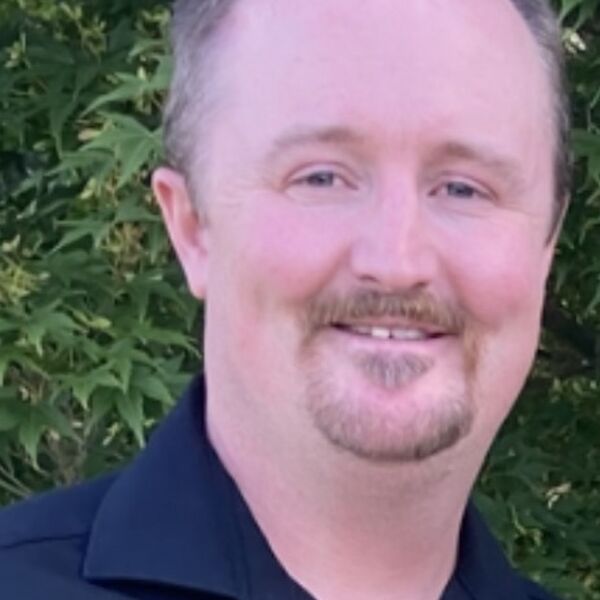
Brandon Smith
About
Policy commitments
We all want healthy, affordable, and comfortable homes. These policies will help to lower energy bills, cut pollution, and improve indoor air quality.
Our community is already experiencing the harmful impacts of climate change caused by fossil fuel pollution, and taxpayers are on the hook to upgrade and repair critical infrastructure.
The air we breathe, the water we drink, and the food we eat all rely on healthy ecosystems. Nature can also help protect our community from extreme weather by controlling floods, protecting shorelines, and cooling neighbourhoods. Access to nature improves the health and well-being of residents, and supports biodiversity.
We envision vibrant, walkable communities that protect nature and improve food security.
Connecting neighbourhoods through public transit and active transportation networks will cut pollution, improve public health, and make our communities more affordable (and fun!).
Climate change, increasing populations, and overconsumption threaten our water security. Healthy watersheds and forests are critical to support clean drinking water, stormwater management, climate resilience, and biodiversity for future generations.
Zero waste policies reduce pollution, keep waste out of landfills, build resilient local economies, and safeguard public health by shifting society away from a disposable culture toward a sustainable circular economy.
Climate action
Questions for Whistler
Other municipalities in B.C. have put bylaws in place that require all commercial landscaping equipment be electric and Whistler should follow suit.
I will also propose a by-law requiring all businesses have their doors remain closed during the winter at temperatures of 10 degrees and below; and all outdoor fossil fuel burning heaters/open fire pits be turned off at 10 degrees and above.
My big vision for wildfire protection would be to install a perimeter of overhead water lines and sprinklers built around the entire resort, connected to multiple alpine lakes and thus would be predominately fed by gravity. Having a connection to Cheakamus Lake and across the valley to Wedgemount, Rainbow Lake, One Duck Lake and other smaller reservoir sources would allow us real protection in case of extreme emergency. Only needing to activate such a system 1 time in the next fifty years, would be worth it and immediate value could be provided through insurance reductions/secured continuity of coverage. It would be a large initial cost and big project to complete but if it can be done with power lines and gondola cables, we can do it with water lines to protect what we have.
We are all connected and as your airline stewards will tell you before any flight:
"Always put your mask on first before helping any others."
Happy residents provide better service to guests and we can all prosper together.
If you want to walk through a desert without leaving a trace; is it better to run through and figure out how to clean it up after? Or take one small step and sweep...and then another small step and sweep? Sweep up each step you take, immediately after you take it!
Compiled & presented by

Vote4Tomorrow is an independent voter guide to evaluate where local candidates stand on climate and environmental policies that will affect our future.