
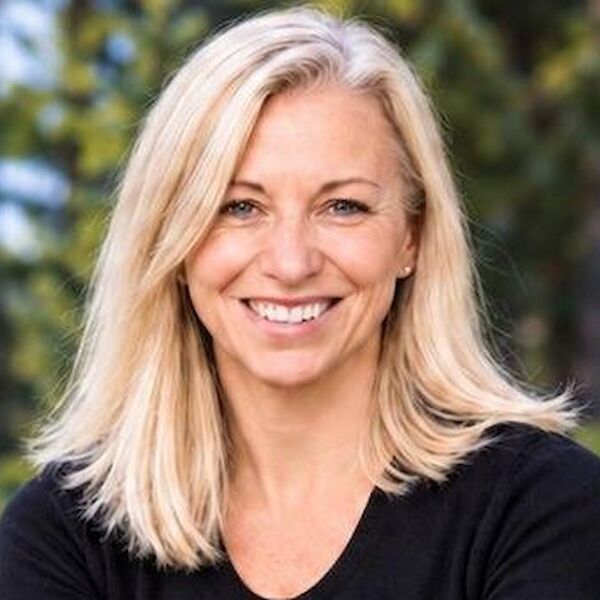
Sherry Keane
- Neighbourhood:
- West Vancouver
- Years in the community:
- 16
About
Policy commitments
We all want healthy, affordable, and comfortable homes. These policies will help to lower energy bills, cut pollution, and improve indoor air quality.
Our community is already experiencing the harmful impacts of climate change caused by fossil fuel pollution, and taxpayers are on the hook to upgrade and repair critical infrastructure.
The air we breathe, the water we drink, and the food we eat all rely on healthy ecosystems. Nature can also help protect our community from extreme weather by controlling floods, protecting shorelines, and cooling neighbourhoods. Access to nature improves the health and well-being of residents, and supports biodiversity.
We envision vibrant, walkable communities that protect nature and improve food security.
Connecting neighbourhoods through public transit and active transportation networks will cut pollution, improve public health, and make our communities more affordable (and fun!).
Zero waste policies reduce pollution, keep waste out of landfills, build resilient local economies, and safeguard public health by shifting society away from a disposable culture toward a sustainable circular economy.
Climate action
My community involvement has also strengthened my appreciation for West Vancouver’s natural environment and the importance of protecting it responsibly. As a candidate, I am advocating for updated assessments of wildfire, flooding, slope and shoreline risks; proactive drainage maintenance; professional tree assessments; climate resilient building design; and better transit, walking and cycling options.
I believe climate action should be practical, measurable and evaluated for both its environmental benefit and its cost to residents.
Questions for West Vancouver (District of)
I would advocate for an updated assessment of West Vancouver’s wildfire, flooding, slope, shoreline and extreme heat risks, with the findings used to guide infrastructure investment and emergency planning. We need proactive maintenance of drainage systems and culverts, stronger FireSmart initiatives, professional tree assessments and development standards that reflect current climate risks.
I also want residents to know what to do when an emergency occurs. Evacuation routes, alert systems, cooling locations and severe weather information should be clear, accessible and widely communicated, with particular attention given to seniors, people with disabilities and others who may require assistance.
I would ask for measurable resilience targets, public progress reports and strong coordination with emergency services, neighbouring municipalities, First Nations and other levels of government. My approach would be practical: identify the risks, prioritize the most urgent work and ensure climate preparedness is included in long term infrastructure and financial planning.
I would call for an independent marine risk assessment examining increased vessel traffic, potential anchorages near West Vancouver, collision risks, emergency response capacity and interactions with BC Ferries and recreational boaters. The findings should be made public, and West Vancouver residents should have meaningful opportunities to participate before decisions are made.
I would also ask the District to review its emergency plans, communication systems, evacuation procedures, equipment, training and coordination with the Coast Guard, Port of Vancouver, neighbouring municipalities and First Nations. Any additional local preparedness or infrastructure required because of an expansion should be funded by the project, not downloaded onto West Vancouver taxpayers.
I would not support an expansion proceeding until the risks are independently assessed, clear safety measures are established and the agencies responsible demonstrate that they have the resources and plans necessary to protect our shoreline and residents.
Compiled & presented by


Vote4Tomorrow is an independent voter guide to evaluate where local candidates stand on climate and environmental policies that will affect our future.