
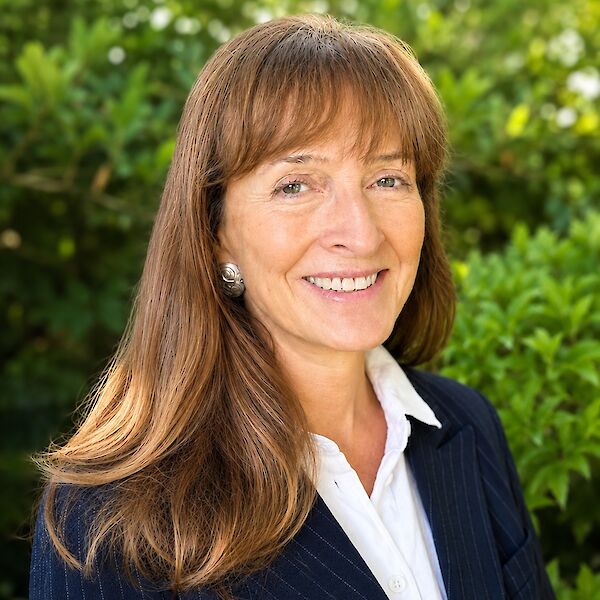
Melinda Slater

Melinda Slater

Council · West Vancouver (District of)
Neighbourhood:
Ambleside
Years in the community:
35

About

Third-generation West Vancouverite with a long record of community involvement. For 15 years, I have reviewed District reports, spoken before Council, and advocated for accountable decision-making and a stronger public voice.

Policy commitments

Buildings

We all want healthy, affordable, and comfortable homes. These policies will help to lower energy bills, cut pollution, and improve indoor air quality.

~ Support electrification of new buildings. Neutral
✓ Incentivize electric heat pumps and air filtration systems. Supportive
~ Incentivize renewable energy, battery storage, and smart-grid technologies in new and existing buildings to improve energy security. Neutral
✓ Scale up energy retrofits for existing homes, businesses, and public buildings. Supportive
~ Implement a 'right to cool' bylaw to protect tenants during extreme heat events. Neutral
Climate Justice

Our community is already experiencing the harmful impacts of climate change caused by fossil fuel pollution, and taxpayers are on the hook to upgrade and repair critical infrastructure.

~ Enact a moratorium on AI data centres to protect our energy and water resources. Neutral
× Pursue available legal options to recover a fair share of the climate costs facing our community from fossil fuel companies and other big polluters. Opposed
✓ Collaborate with Indigenous peoples as partners in the stewardship of the land, air, and water, and work towards reconciliation. Supportive
Ecosystems

The air we breathe, the water we drink, and the food we eat all rely on healthy ecosystems. Nature can also help protect our community from extreme weather by controlling floods, protecting shorelines, and cooling neighbourhoods. Access to nature improves the health and well-being of residents, and supports biodiversity.

✓ Protect and restore ecosystems, which are essential to human survival, health, and economic well-being. Supportive
✓ Expand and protect tree canopy, parks, and green infrastructure to cool neighbourhoods, clean air, and manage stormwater. Supportive
Land Use

We envision vibrant, walkable communities that protect nature and improve food security.

~ Build affordable homes near jobs, schools, shops, and transit. Neutral
✓ Upgrade critical infrastructure for heat, fire, flood, and storm resilience. Supportive
Transport

Connecting neighbourhoods through public transit and active transportation networks will cut pollution, improve public health, and make our communities more affordable (and fun!).

✓ Deliver reliable, frequent, affordable local transit. Supportive
✓ Advocate to improve regional public transit between communities. Supportive
✓ Build bike and roll networks that are safe for everyone. Supportive
Zero Waste

Zero waste policies reduce pollution, keep waste out of landfills, build resilient local economies, and safeguard public health by shifting society away from a disposable culture toward a sustainable circular economy.

✓ Implement zero waste bylaws to divert organic waste and recyclables from disposal. Supportive
✓ Supportive
~ Neutral
× Opposed
– No response

Climate action

How have you contributed to climate action in your community through advocacy, past work, advisory committees, volunteer work, and/or reducing your personal carbon footprint?
My contribution has included both practical household choices and civic advocacy. At home, I wash laundry in cold water, use drip irrigation to conserve water, recycle through the municipal system, and take materials not collected curbside to the appropriate recycling facilities rather than putting them in the garbage. In my civic work, I have advocated for tree retention by design, protection of natural assets, and consideration of cumulative environmental and infrastructure impacts when development decisions are made. I am also a member of West Vancouver Streamkeepers and the Old Growth Conservancy Society.

Questions for West Vancouver (District of)

West Vancouver is vulnerable to many climate-related risks (e.g., intense rainfall, flooding, sea level rise, wildfire, wildfire smoke, and extreme heat events). How will you address these risks to increase our community’s resilience?
Climate resilience should be treated as a core public-safety and infrastructure responsibility. I would support updated, publicly available risk assessments and use them to prioritize investments in drainage, sewer capacity, slope and shoreline protection, wildfire preparedness and emergency response. Land-use decisions should reflect current hazard mapping and the cumulative demands growth places on infrastructure. We should also protect natural assets—including forests, streams, wetlands and tree canopy—that reduce heat, flooding and erosion. The District should identify cooling and clean-air supports for vulnerable residents, pursue senior-government funding, and publish project priorities, costs, timelines and progress.
Woodfibre LNG is planning to double or triple in size, which will increase the number of LNG carriers transiting past West Vancouver and anchoring in English Bay. What actions will you take to ensure the safety of West Vancouver residents?
West Vancouver does not regulate marine shipping, but Council must vigorously represent residents wherever an expansion could affect their safety. I would call on federal and provincial regulators to require any expansion to undergo a new, comprehensive and transparent environmental and marine-safety review—not simply an amendment to the existing approval. That review must assess cumulative vessel traffic, ferry crossings, anchorages near West Vancouver, collision and fire risks, air pollution and emergency-response capacity. I would press Transport Canada, the Coast Guard, the Port, the Province and the proponent for enforceable safeguards, independent risk analysis and meaningful public and Indigenous consultation. West Vancouver’s emergency services must be directly involved in planning, and the proponent—not local taxpayers—should fund any additional equipment, training or response capacity required. I would not support an expansion unless residents’ safety and the protection of Howe Sound were convincingly demonstrated.

Compiled & presented by

Authorized by Force of Nature Alliance, registered sponsor under LEFCA, info@forceofnaturealliance.ca

Vote4Tomorrow is an independent voter guide to evaluate where local candidates stand on climate and environmental policies that will affect our future.

© 2026 Vote4Tomorrow