
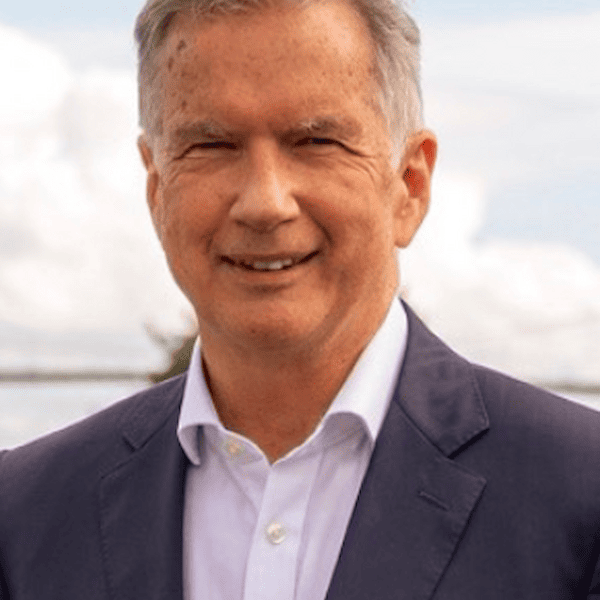
Kirk LaPointe
- Neighbourhood:
- Caulfeild in West Vancouver
- Years in the community:
- 5
About
Policy commitments
We all want healthy, affordable, and comfortable homes. These policies will help to lower energy bills, cut pollution, and improve indoor air quality.
Our community is already experiencing the harmful impacts of climate change caused by fossil fuel pollution, and taxpayers are on the hook to upgrade and repair critical infrastructure.
The air we breathe, the water we drink, and the food we eat all rely on healthy ecosystems. Nature can also help protect our community from extreme weather by controlling floods, protecting shorelines, and cooling neighbourhoods. Access to nature improves the health and well-being of residents, and supports biodiversity.
We envision vibrant, walkable communities that protect nature and improve food security.
Connecting neighbourhoods through public transit and active transportation networks will cut pollution, improve public health, and make our communities more affordable (and fun!).
Zero waste policies reduce pollution, keep waste out of landfills, build resilient local economies, and safeguard public health by shifting society away from a disposable culture toward a sustainable circular economy.
Climate action
Questions for West Vancouver (District of)
Wildfire is the most immediate example. About half of the District lies within 100 metres of forested land, and the new Community Wildfire Resiliency Plan contains 45 recommendations. I would prioritize year-round FireSmart work, removal of hazardous dead trees and fuel loads, stronger action on risks that cross between public and private property, protection of critical infrastructure, and clear neighbourhood evacuation plans residents can actually use.
We also need to prepare for heavier rainfall, flooding and sea-level rise. That means stronger stormwater planning, protection and restoration of creeks and natural drainage systems, and continued shoreline adaptation where infrastructure and habitat are at risk. The District itself anticipates wetter winters, more extreme storms, heat events, flooding and sea-level rise.
Extreme heat and wildfire smoke require a public-health response as well: cooling and clean-air spaces, clear communication for vulnerable residents, and emergency plans that include seniors and people with limited mobility.
Finally, I want measurable accountability. Climate resilience should be built into infrastructure, land-use and capital planning, with annual public reporting on what has been completed, what remains at risk, and what comes next.
The goal is simple: fewer plans sitting on shelves, more protection on the ground.
The currently approved facility is approximately 2.1 million tonnes annually. Transport Canada’s TERMPOL review says Woodfibre does not expect its carriers routinely to anchor in English Bay, although 20 potentially suitable anchorages were identified.
If carrier traffic increases materially, I would advocate for West Vancouver to have a formal voice in the regulatory process and for updated navigation-risk and emergency-response assessments involving Transport Canada, the Canadian Coast Guard, Vancouver Fraser Port Authority, BC Ferries, Squamish Nation and affected municipalities.
I would also seek public disclosure of proposed shipping frequency, routes and anchorage practices; updated modelling of collision, fire and spill risks; confirmation that emergency-response capacity is adequate; and regular emergency exercises involving local responders.
West Vancouver should also understand what additional demands increased marine traffic could place on our shoreline, emergency services and evacuation planning.
The municipality does not regulate international shipping, but that does not mean it should be silent. If the scale of the project changes, the safety analysis must change with it—and West Vancouver’s interests must be represented before any expansion is approved.
Campaign contributions
Public records from Elections BC — 1 contribution totalling $3,411.39.
2014 GENERAL LOCAL ELECTIONS
1 contribution · $3,411.39
| Contributor | Date | Amount | Office | Jurisdiction |
|---|---|---|---|---|
| KIRK LAPOINTE | Nov 15, 2014 | $3,411.39 | MAYOR | VANCOUVER |
Compiled & presented by


Vote4Tomorrow is an independent voter guide to evaluate where local candidates stand on climate and environmental policies that will affect our future.