
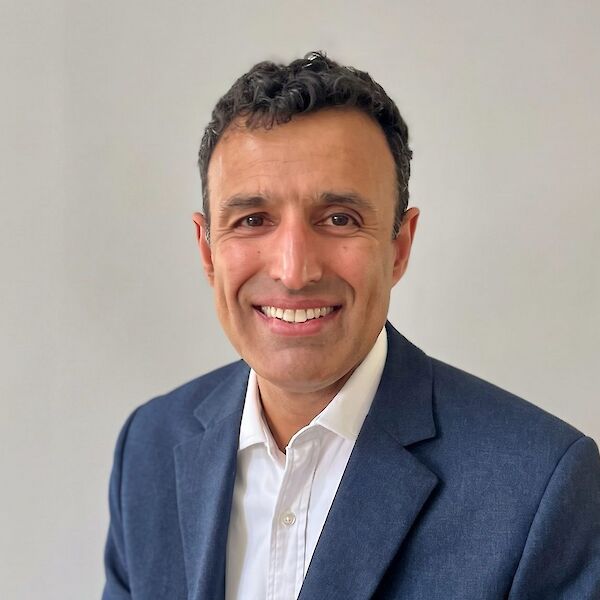
Jay Sidhu

Jay Sidhu

Council · West Vancouver (District of)
Neighbourhood:
West Vancouver
Years in the community:
8

About

Formerly a BBC journalist (21 years) I volunteered on local committees including WV Library, Community Centre, WV Schools DPAC, WV Community Engagement Committee, and Event Director of fitness event Ambleside parkrun. Now a MLA Constituency Manager.

Policy commitments

Buildings

We all want healthy, affordable, and comfortable homes. These policies will help to lower energy bills, cut pollution, and improve indoor air quality.

✓ Support electrification of new buildings. Supportive
✓ Incentivize electric heat pumps and air filtration systems. Supportive
✓ Incentivize renewable energy, battery storage, and smart-grid technologies in new and existing buildings to improve energy security. Supportive
✓ Scale up energy retrofits for existing homes, businesses, and public buildings. Supportive
✓ Implement a 'right to cool' bylaw to protect tenants during extreme heat events. Supportive
Climate Justice

Our community is already experiencing the harmful impacts of climate change caused by fossil fuel pollution, and taxpayers are on the hook to upgrade and repair critical infrastructure.

✓ Enact a moratorium on AI data centres to protect our energy and water resources. Supportive
✓ Pursue available legal options to recover a fair share of the climate costs facing our community from fossil fuel companies and other big polluters. Supportive
✓ Collaborate with Indigenous peoples as partners in the stewardship of the land, air, and water, and work towards reconciliation. Supportive
Ecosystems

The air we breathe, the water we drink, and the food we eat all rely on healthy ecosystems. Nature can also help protect our community from extreme weather by controlling floods, protecting shorelines, and cooling neighbourhoods. Access to nature improves the health and well-being of residents, and supports biodiversity.

✓ Protect and restore ecosystems, which are essential to human survival, health, and economic well-being. Supportive
✓ Expand and protect tree canopy, parks, and green infrastructure to cool neighbourhoods, clean air, and manage stormwater. Supportive
Land Use

We envision vibrant, walkable communities that protect nature and improve food security.

✓ Build affordable homes near jobs, schools, shops, and transit. Supportive
✓ Upgrade critical infrastructure for heat, fire, flood, and storm resilience. Supportive
Transport

Connecting neighbourhoods through public transit and active transportation networks will cut pollution, improve public health, and make our communities more affordable (and fun!).

✓ Deliver reliable, frequent, affordable local transit. Supportive
✓ Advocate to improve regional public transit between communities. Supportive
✓ Build bike and roll networks that are safe for everyone. Supportive
Zero Waste

Zero waste policies reduce pollution, keep waste out of landfills, build resilient local economies, and safeguard public health by shifting society away from a disposable culture toward a sustainable circular economy.

✓ Implement zero waste bylaws to divert organic waste and recyclables from disposal. Supportive
✓ Supportive
~ Neutral
× Opposed
– No response

Climate action

How have you contributed to climate action in your community through advocacy, past work, advisory committees, volunteer work, and/or reducing your personal carbon footprint?
I've was the Campaign Manager in West Van-Sea to Sky who got the BC Greens' Jeremy Valeriote elected - boosting the only provincial party that is serious about tackling climate change. I've switched to an electric car, heat pump, and will soon have solar panels on my roof. I've long been an advocate for cycling and transit as transportation modes that should be made safer, cheaper, and more accessible. And with the local advocacy group Positive Voices I have advocated a range of climate-focussed policies including EV bike rebates, bike lanes, the Urban Forest Management Plan, the Climate Action Plan, and more.

Questions for West Vancouver (District of)

West Vancouver is vulnerable to many climate-related risks (e.g., intense rainfall, flooding, sea level rise, wildfire, wildfire smoke, and extreme heat events). How will you address these risks to increase our community’s resilience?
West Van's natural landscape, between the mountains and the sea, makes it beautiful but also vulnerable to landslides, flooding, wildfire, and drought. Our natural assets - watershed, urban canopy, and shoreline - provide important ecological and human benefits, if we protect them.

We should do much more to support slope stability and natural drainage by investing in rain gardens – large and small - rather than routing more and more stormwater into bigger and bigger drains, at enormous expense. I strongly support the Urban Forest Management Plan and believe that the modest Yard Tree Planting program should be expanded. We have advocated to the province to keep funding firesmart, but we should also track what homeowners have done, and publish maps of firesmart homes so that residents can understand how that translates into resilient neighbourhoods. I also believe that the district and council must hold firm on those pushing back against foreshore management policies.

Finally municipalities are at the frontlines of climate change and we must keep up the pressure in reducing emissions. We could - for instance - join the rest of the world and really embrace the solar revolution for all district facilities, because it reduce emissions AND save taxpayers money.
Woodfibre LNG is planning to double or triple in size, which will increase the number of LNG carriers transiting past West Vancouver and anchoring in English Bay. What actions will you take to ensure the safety of West Vancouver residents?
I think a lot of West Van residents - particularly in the West - are nervous about LNG carriers plying up and down Howe Sound, and anchoring close to our communities. I believe we should join the communities on Bowen, the Sunshine Coast, Lions Bay, and Squamish in sending a clear message that we do not want the LNG terminal here, and will not tolerate the volume of traffic that is being planned. Never mind the enormous carbon emissions from fracked LNG gas, which are seriously underestimated, British Columbians have been mis-sold this as an economic saviour. The recent revelations about the lower-than-expected revenues from oil and gas, coupled with longstanding projections from the International Energy Agency that we will produce the most expensive LNG in a market that is saturated should make us question the economic case,

Compiled & presented by

Authorized by Force of Nature Alliance, registered sponsor under LEFCA, info@forceofnaturealliance.ca

Vote4Tomorrow is an independent voter guide to evaluate where local candidates stand on climate and environmental policies that will affect our future.

© 2026 Vote4Tomorrow