
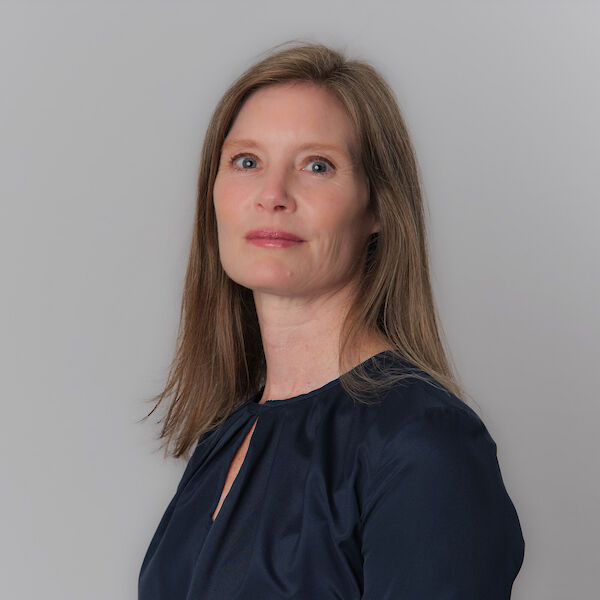
Jaime Webbe

Jaime Webbe

Council · West Vancouver (District of)
Neighbourhood:
West Vancouver
Years in the community:
12

About

Jaime Webbe grew up on the North Shore and is raising her three kids in West Van. Jaime is an internationally recognized climate and sustainability expert having held senior positions at the United Nations, World Bank and UN Association in Canada.

Policy commitments

Buildings

We all want healthy, affordable, and comfortable homes. These policies will help to lower energy bills, cut pollution, and improve indoor air quality.

✓ Support electrification of new buildings. Supportive
~ Incentivize electric heat pumps and air filtration systems. Neutral
~ Incentivize renewable energy, battery storage, and smart-grid technologies in new and existing buildings to improve energy security. Neutral
✓ Scale up energy retrofits for existing homes, businesses, and public buildings. Supportive
✓ Implement a 'right to cool' bylaw to protect tenants during extreme heat events. Supportive
Climate Justice

Our community is already experiencing the harmful impacts of climate change caused by fossil fuel pollution, and taxpayers are on the hook to upgrade and repair critical infrastructure.

× Enact a moratorium on AI data centres to protect our energy and water resources. Opposed
~ Pursue available legal options to recover a fair share of the climate costs facing our community from fossil fuel companies and other big polluters. Neutral
✓ Collaborate with Indigenous peoples as partners in the stewardship of the land, air, and water, and work towards reconciliation. Supportive
Ecosystems

The air we breathe, the water we drink, and the food we eat all rely on healthy ecosystems. Nature can also help protect our community from extreme weather by controlling floods, protecting shorelines, and cooling neighbourhoods. Access to nature improves the health and well-being of residents, and supports biodiversity.

✓ Protect and restore ecosystems, which are essential to human survival, health, and economic well-being. Supportive
✓ Expand and protect tree canopy, parks, and green infrastructure to cool neighbourhoods, clean air, and manage stormwater. Supportive
Land Use

We envision vibrant, walkable communities that protect nature and improve food security.

✓ Build affordable homes near jobs, schools, shops, and transit. Supportive
✓ Upgrade critical infrastructure for heat, fire, flood, and storm resilience. Supportive
Transport

Connecting neighbourhoods through public transit and active transportation networks will cut pollution, improve public health, and make our communities more affordable (and fun!).

✓ Deliver reliable, frequent, affordable local transit. Supportive
✓ Advocate to improve regional public transit between communities. Supportive
~ Build bike and roll networks that are safe for everyone. Neutral
Zero Waste

Zero waste policies reduce pollution, keep waste out of landfills, build resilient local economies, and safeguard public health by shifting society away from a disposable culture toward a sustainable circular economy.

~ Implement zero waste bylaws to divert organic waste and recyclables from disposal. Neutral
✓ Supportive
~ Neutral
× Opposed
– No response

Climate action

How have you contributed to climate action in your community through advocacy, past work, advisory committees, volunteer work, and/or reducing your personal carbon footprint?
The main focus of my climate work has been at the international level. For 7 years I was the program lead on nature and climate change at the UN Convention on Biological Diversity (CBD). I served two years as the global coordinator for the UN Environment Programme, UN-REDD team (reducing emissions from deforestation and forest degradation in developing countries). I then wrapped up my UN career as a Regional Manager for the technology mechanism of the UN Climate Convention (the Climate Technology Centre and Network).

Also at the UN Climate Convention, I led multiple session of the Technical Expert Meetings on Adaptation, specifically on financing adaptation and building resilience of at risk communities. If you would like to see some examples please check out: https://www.youtube.com/watch?v=XAg8GOicRTs or https://www.youtube.com/watch?v=kASR9JuART0

Since returning to Canada I led the Government of Canada funded project, Climate Action Africa, which provides technical assistance to local communities in 34 countries in sub-Saharan Africa. I also serve as the environmental peacebuilding specialist on the Government of Canada funded Lake Chad Basin Conservation Project, an ecosystem-based adaptation project in Cameroon, Chad, Niger and Nigeria.

Here in Canada, the main focus of my climate advocacy has been on youth engagement. I ran a Model UN on implementation of the UN Declaration on the Rights of Indigenous Peoples including a climate justice component and supported Canadian youth delegations to three Conferences of the Parties to the UN Climate Convention.

Questions for West Vancouver (District of)

West Vancouver is vulnerable to many climate-related risks (e.g., intense rainfall, flooding, sea level rise, wildfire, wildfire smoke, and extreme heat events). How will you address these risks to increase our community’s resilience?
There are three main actions I would take. First I would enhance the protection and restoration of our green spaces which serve both as a carbon sink and as an important buffer against the negative impacts of climate change. To achieve this I would work with both district staff and the amazing NGO's active in West Vancouver to identify at risk ecosystems and plan partnerships for their protection.

I would also address heat and wildfire smoke risks, especially to seniors, through encouraging the installation of energy-efficient air conditioning in our purpose built rental units. This is especially important in West Van as almost 80% of our purpose built rental units were constructed prior to 1980 and, as such, have insufficient air filtration and cooling.

Finally, I would assess climate risk to infrastructure and proposed capital investments to ensure that the District isn't engaging in projects with a high climate risk. This is especially important as recent budgets have been withdrawing from reserves, thereby increasing the likelihood of future levies and tax increases from climate and other threats to assets.
Woodfibre LNG is planning to double or triple in size, which will increase the number of LNG carriers transiting past West Vancouver and anchoring in English Bay. What actions will you take to ensure the safety of West Vancouver residents?
I have already spoken to Federal MP's on this matter and have heard that the Federal Government is exploring options that would increase the size of ships in order to ensure that the number of ships doesn't increase significantly. If elected, I would continue to work with Federal counterparts to better understand the details of this plan and ensure that any support provided by the Federal Government is aligned with the interests of West Vancouver.

As much of my career required negotiating agreement among and between different levels of government, I am keen to put my skills to use for West Van.

Compiled & presented by

Authorized by Force of Nature Alliance, registered sponsor under LEFCA, info@forceofnaturealliance.ca

Vote4Tomorrow is an independent voter guide to evaluate where local candidates stand on climate and environmental policies that will affect our future.

© 2026 Vote4Tomorrow