
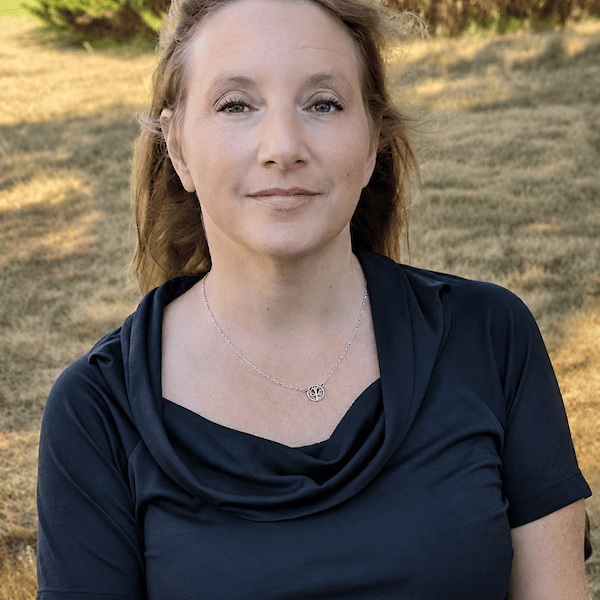
Alexis Chicoine
- Neighbourhood:
- West Vancouver
- Years in the community:
- 6
About
Policy commitments
We all want healthy, affordable, and comfortable homes. These policies will help to lower energy bills, cut pollution, and improve indoor air quality.
Our community is already experiencing the harmful impacts of climate change caused by fossil fuel pollution, and taxpayers are on the hook to upgrade and repair critical infrastructure.
The air we breathe, the water we drink, and the food we eat all rely on healthy ecosystems. Nature can also help protect our community from extreme weather by controlling floods, protecting shorelines, and cooling neighbourhoods. Access to nature improves the health and well-being of residents, and supports biodiversity.
We envision vibrant, walkable communities that protect nature and improve food security.
Connecting neighbourhoods through public transit and active transportation networks will cut pollution, improve public health, and make our communities more affordable (and fun!).
Zero waste policies reduce pollution, keep waste out of landfills, build resilient local economies, and safeguard public health by shifting society away from a disposable culture toward a sustainable circular economy.
Climate action
I also believe our built environment has an important role to play. I deliberately moved from a neighbourhood where almost every trip required a vehicle to one where I can walk or roll to shops, services, parks and community amenities. That change allowed our household to sell our second vehicle and significantly reduce our reliance on driving.
Through my years of volunteer work on municipal advisory committees, I have also seen how decisions about transportation, housing, accessibility, infrastructure and the environment are interconnected. Climate action is most effective when it is incorporated into how we plan our community rather than treated as a stand-alone issue.
I believe local government has a practical role to play: protecting our natural environment, preparing for wildfire and extreme weather, improving transportation choices, and making thoughtful long-term decisions that reduce emissions while creating a more resilient community.
Questions for West Vancouver (District of)
I would ensure climate resilience is reflected in Council’s priorities, budgets and infrastructure decisions, with regular reporting on progress. That includes advancing FireSmart initiatives, vegetation and fuel management, early detection, emergency response and evacuation preparedness.
For flooding and increasingly intense rainfall, I would prioritize necessary drainage and infrastructure improvements and incorporate future climate conditions when assets are renewed. I also support practical, nature-based solutions such as rain gardens, which can manage stormwater while adding greenery and biodiversity.
Along our waterfront, I would support continued preparation for sea level rise and storm surge, guided by current science and coordinated with infrastructure and foreshore planning. Protecting and renewing our tree canopy can also provide cooling during extreme heat, help manage stormwater and strengthen biodiversity.
Resilience also depends on residents being prepared. I would strengthen emergency communication, public education and regional coordination for wildfire, smoke, extreme heat and other emergencies, while making better use of the expertise on West Vancouver’s Environment Committee.
Good planning matters, but so does follow-through. We should invest our resources in implementing, measuring and improving the plans we have before paying to reinvent them.
If a significant expansion of Woodfibre LNG is proposed, I would advocate for a new and comprehensive assessment of its cumulative climate, environmental and marine-safety impacts. An assessment based on the currently approved project should not simply be assumed to apply if operations and vessel traffic increase substantially.
West Vancouver may not regulate marine shipping, but Council should strongly advocate for our residents and environment. I would call on federal authorities to assess increased LNG carrier traffic and any anchorages proposed near West Vancouver, including collision risk, emergency-response capacity, air quality, impacts on other marine users, and consequences for Howe Sound and English Bay. I would also ensure our own emergency planning considers LNG carrier traffic and identifies any gaps in preparedness.
Any significant expansion should face appropriate new scrutiny, meaningful public and Indigenous consultation, and demonstrate that its climate, environmental and public-safety impacts can be adequately addressed.
Campaign contributions
Public records from Elections BC — 13 contributions totalling $5,524.44.
2022 GENERAL LOCAL ELECTIONS
13 contributions · $5,524.44
| Contributor | Date | Amount | Office | Jurisdiction |
|---|---|---|---|---|
| DANA ANTHONY | Sep 15, 2022 | $100.00 | COUNCILLOR | WEST VANCOUVER |
| RODGER BARTON | Sep 19, 2022 | $100.00 | COUNCILLOR | WEST VANCOUVER |
| MARY-ANN BOOTH | Jun 21, 2022 | $500.00 | COUNCILLOR | WEST VANCOUVER |
| HILARY BROWN | Aug 23, 2022 | $100.00 | COUNCILLOR | WEST VANCOUVER |
| CRAIG CAMERON | Oct 11, 2022 | $300.00 | COUNCILLOR | WEST VANCOUVER |
| ALEXIS CHICOINE | Jun 9, 2022 | $2,500.00 | COUNCILLOR | WEST VANCOUVER |
| CHRIS CHICOINE | Aug 15, 2022 | $150.00 | COUNCILLOR | WEST VANCOUVER |
| BARRY CHISHOLM | Oct 15, 2022 | $400.00 | COUNCILLOR | WEST VANCOUVER |
| EVELYN DAWSON | Sep 26, 2022 | $130.00 | COUNCILLOR | WEST VANCOUVER |
| MARK JOHNSTON | Sep 12, 2022 | $444.44 | COUNCILLOR | WEST VANCOUVER |
| ANDREW KRAWCZYK | Aug 26, 2022 | $200.00 | COUNCILLOR | WEST VANCOUVER |
| JOHN SAMPSON | Sep 6, 2022 | $500.00 | COUNCILLOR | WEST VANCOUVER |
| MARK WEINTRAUB | Oct 14, 2022 | $100.00 | COUNCILLOR | WEST VANCOUVER |
Compiled & presented by


Vote4Tomorrow is an independent voter guide to evaluate where local candidates stand on climate and environmental policies that will affect our future.