
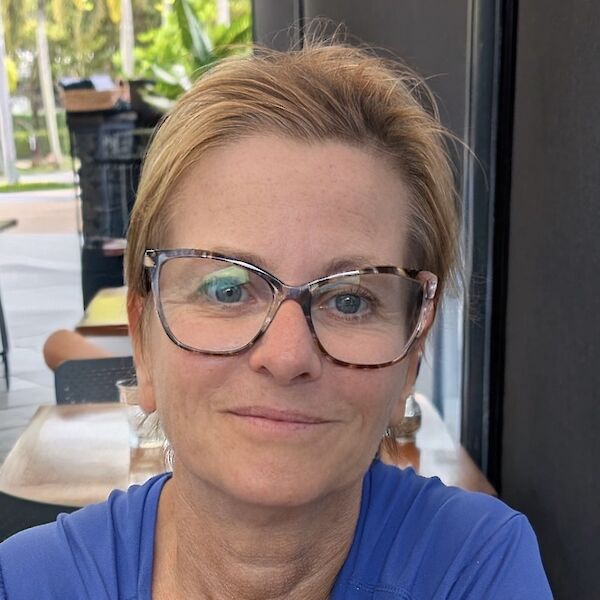
Diane Fownes
About
Policy commitments
We all want healthy, affordable, and comfortable homes. These policies will help to lower energy bills, cut pollution, and improve indoor air quality.
Our community is already experiencing the harmful impacts of climate change caused by fossil fuel pollution, and taxpayers are on the hook to upgrade and repair critical infrastructure.
The air we breathe, the water we drink, and the food we eat all rely on healthy ecosystems. Nature can also help protect our community from extreme weather by controlling floods, protecting shorelines, and cooling neighbourhoods. Access to nature improves the health and well-being of residents, and supports biodiversity.
We envision vibrant, walkable communities that protect nature and improve food security.
Connecting neighbourhoods through public transit and active transportation networks will cut pollution, improve public health, and make our communities more affordable (and fun!).
Climate change, increasing populations, and overconsumption threaten our water security. Healthy watersheds and forests are critical to support clean drinking water, stormwater management, climate resilience, and biodiversity for future generations.
Zero waste policies reduce pollution, keep waste out of landfills, build resilient local economies, and safeguard public health by shifting society away from a disposable culture toward a sustainable circular economy.
Climate action
I have taken advantage of some government initiatives, including a Green Homes assessment and having insulation blown into my home. I recently replaced windows and I recycle, return bottles, reuse items when possible and try to choose glass rather than plastic.For my campaign, I chose not to use plastic signs because I did not want to create more unnecessary waste.
I think small actions matter- if everyone does small things collectively bigger changes can I will take a stand if elected in protecting green space, planning development responsibly and finding ways to support community members reduce carbon use
Questions for View Royal
If we want people to use their cars less, the alternatives have to be practical. That means advocating for transit that is frequent, reliable, convenient and affordable, especially on the routes people use to get to work, school, shopping and health services. View Royal should work with neighbouring municipalities and BC Transit because traffic does not stop at municipal borders.
I would also explore practical options such as carpool programs, shared electric bikes at key transit stops, shopping areas and community facilities near homes so people can walk to the store not drive.
Most importantly, future development needs to include traffic planning, adequate parking, safe crossings and the infrastructure needed before projects are approved. Developers need to provide clear plans and commit to community contributions.
Compiled & presented by

Vote4Tomorrow is an independent voter guide to evaluate where local candidates stand on climate and environmental policies that will affect our future.