
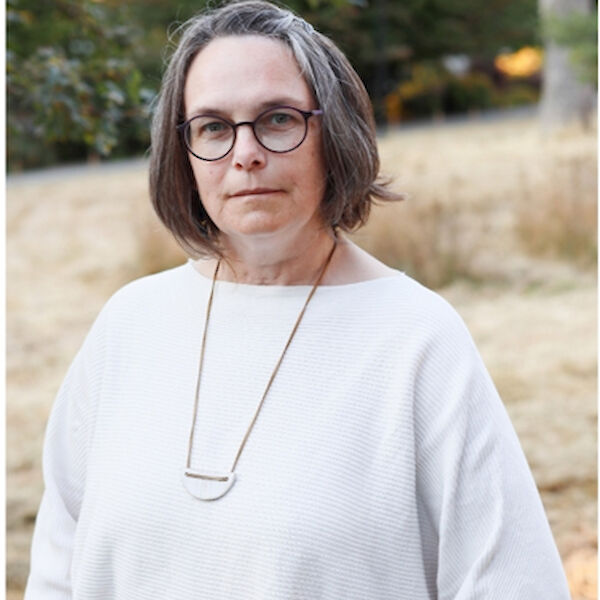
Shona Dion

Shona Dion

Council · Victoria
Neighbourhood:
Victoria - North Jubilee
Years in the community:
13

About

As a labour activist and community builder. My first foray into activism, which began as a young child centred on animal rights, evolving into environmental and social justice. I am highly involved in my North Jubilee community.

Policy commitments

Buildings

We all want healthy, affordable, and comfortable homes. These policies will help to lower energy bills, cut pollution, and improve indoor air quality.

✓ Implement a 'right to cool' bylaw to protect tenants during extreme heat events. Supportive
Climate Justice

Our community is already experiencing the harmful impacts of climate change caused by fossil fuel pollution, and taxpayers are on the hook to upgrade and repair critical infrastructure.

✓ Pursue available legal options to recover a fair share of the climate costs facing our community from fossil fuel companies and other big polluters. Supportive
✓ Collaborate with Indigenous peoples as partners in the stewardship of the land, air, and water, and work towards reconciliation. Supportive
Ecosystems

The air we breathe, the water we drink, and the food we eat all rely on healthy ecosystems. Nature can also help protect our community from extreme weather by controlling floods, protecting shorelines, and cooling neighbourhoods. Access to nature improves the health and well-being of residents, and supports biodiversity.

✓ Expand and protect tree canopy, parks, and green infrastructure to cool neighbourhoods, clean air, and manage stormwater. Supportive
Land Use

We envision vibrant, walkable communities that protect nature and improve food security.

✓ Upgrade critical infrastructure for heat, fire, flood, and storm resilience. Supportive
Transport

Connecting neighbourhoods through public transit and active transportation networks will cut pollution, improve public health, and make our communities more affordable (and fun!).

✓ Advocate to improve regional public transit between communities. Supportive
Watersheds

Climate change, increasing populations, and overconsumption threaten our water security. Healthy watersheds and forests are critical to support clean drinking water, stormwater management, climate resilience, and biodiversity for future generations.

✓ Protect and restore watersheds as vital municipal infrastructure. Supportive
Zero Waste

Zero waste policies reduce pollution, keep waste out of landfills, build resilient local economies, and safeguard public health by shifting society away from a disposable culture toward a sustainable circular economy.

✓ Implement bylaws to eliminate waste from new buildings, renovation, and demolition projects and to use existing buildings as efficiently as possible. Supportive
✓ Supportive
~ Neutral
× Opposed
– No response

Climate action

How have you contributed to climate action in your community through advocacy, past work, advisory committees, volunteer work, and/or reducing your personal carbon footprint?
As a labour activist I was a member of my union's Environment Committee where I advocated for climate awareness through writing articles and sharing information. I am a member of the Friends of Bowker Creek in my community and the Victoria Transit Riders Union. Many moons ago I ran the Grassroots Wedding Fair in Vancouver which was a sustainable and grassroots wedding fair highlighting eco-friendly businesses and offering education on how to have a low carbon wedding.

I feel that we are at an existential crisis where we have no choice but to come together to find solutions to our warming planet. I believe in the power of community which includes taking care of all living beings. As a board member of North Jubilee Neighbourhood Association I am working towards building a strong and resilient community and focusing on creating ownership of our neighbourhood through small projects within the green spaces we have, ie. Bowker Creek, the Spirit Garden and Fern Street Park.

Questions for Victoria

What are Victoria’s three most important environmental priorities for the next four years? What policies and budgets would you advance, and how would you respond when environmental protection is presented as conflicting with housing or economic growth?
In the recent past, the unprecedent heat dome is a wake up call to the effects of our warming climate. I believe it took many by surprise, but the evidence speaks for itself. We must work to loosen ties to the fossil fuel industry and increase spending to climate justice through heat pump accessibility and an increase in outdoor shaded third spaces.

Bike lanes are sometimes seen as controversial in this city, but they are a necessary step in weaning us our reliance on cars. This can be an equity issue though so we must prepare to increase transit services and be willing to adapt as differing needs arise. Many workers who live outside of the city, but commute into work, need to be able to relay on services to get to work in a timely fashion if we are asking them to leave their cars behind. Working with our neighbouring communities to increase ride shares or park-and-rides options can alleviate cars coming into the city.
What policies and investments would you prioritize for the next heat dome to retain mature shade trees, expand canopy in heat-vulnerable neighbourhoods, improve public cooling and drinking-water access, and ensure all at-risk residents receive protection?
I fully support grants for heat pumps to allow for climate equity in older buildings without proper cooling systems. Increased tree canopy, of native species, will increase shade coverage and offer shaded gathering spaces. Increased access to water and sanitation will also help in mitigating the effects of heat emergencies. Creating more adaptability in our parks to make space for community gardens.
What changes to bylaws, development standards and approvals would you support to retain mature trees, Garry oak ecosystems, wildlife corridors, adequate soil and permeable ground to measure and enforce progress toward the 40% canopy target?
I believe we need to invite/integrate Indigenous stewardship practices into our city parks. Recovering Garry Oak eco-systems works towards both Reconciliation and climate resiliency. In the North Jubilee Spirit Garden, this fall will have Camas seeds planted to bring back a native species that is both resilient and part of the restoration of historic food systems.
Which municipal actions would you prioritize to close Victoria’s 2030 emissions gap? What improvements would you require or incentivize, how would you make them affordable and accessible, and what measurable results would you deliver during your term?
We saw during covid that the environment can recover quickly when the vehicle traffic and emissions are reduced. We need to wean ourselves off the car dependent, fossil-fuel burning norms that currently exist. Continuing to support the current efforts to electrify the city fleet of vehicles will be beneficial, but we must also not forget to increase rain gardens and other storm water systems to stop contaminants, from electric vehicles, from entering our water systems.

I would also like to see the city work with the province and its partners in our publicly owned utility companies, to offer incentives on retro-fitting older builders to meet more environmentally safe standards and actively engage with community members to educate them on climate responsibilities. We will not be successful unless we can educate citizens at the street level. I would love to see all the 819 polygon blocks of Victoria have we can educate citizens at the street level. I would love to see all the 819 polygon blocks of Victoria have coordinated block captains for the purpose of climate resiliency and neighbourhood resilience. It can be a way of restoring better communication between City Hall and the 13 distinct neighbourhoods of Victoria (I am counting Gonzales in that number).

Compiled & presented by

Seniors for Climate Victoria
SI-CAN Natural Asset Management Team
WE-CAN Together 2026

Vote4Tomorrow is an independent voter guide to evaluate where local candidates stand on climate and environmental policies that will affect our future.

© 2026 Vote4Tomorrow