
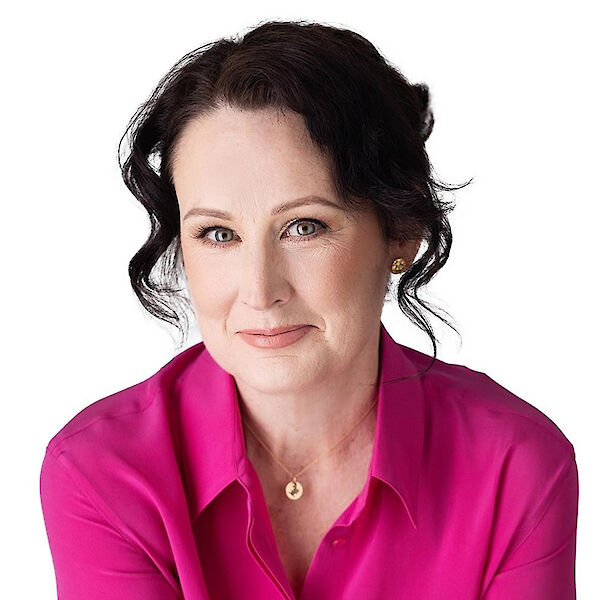
Krista Loughton
About
Policy commitments
We all want healthy, affordable, and comfortable homes. These policies will help to lower energy bills, cut pollution, and improve indoor air quality.
Our community is already experiencing the harmful impacts of climate change caused by fossil fuel pollution, and taxpayers are on the hook to upgrade and repair critical infrastructure.
The air we breathe, the water we drink, and the food we eat all rely on healthy ecosystems. Nature can also help protect our community from extreme weather by controlling floods, protecting shorelines, and cooling neighbourhoods. Access to nature improves the health and well-being of residents, and supports biodiversity.
We envision vibrant, walkable communities that protect nature and improve food security.
Connecting neighbourhoods through public transit and active transportation networks will cut pollution, improve public health, and make our communities more affordable (and fun!).
Climate change, increasing populations, and overconsumption threaten our water security. Healthy watersheds and forests are critical to support clean drinking water, stormwater management, climate resilience, and biodiversity for future generations.
Zero waste policies reduce pollution, keep waste out of landfills, build resilient local economies, and safeguard public health by shifting society away from a disposable culture toward a sustainable circular economy.
Climate action
Although Victoria has made significant reductions in community greenhouse gas emissions (down 31% from 2007 to 2023), there is more work to do.
Climate impacts do not stop at municipal boundaries, so I have pushed for better Extreme Weather Response planning, both in Victoria and across the Capital Region. Extreme heat, transportation, emergency response, food security and protection of natural areas all require municipalities to work together.
I have also supported adding housing where people can walk, cycle or take transit for more of their daily trips, and continued investment in safe walking and cycling infrastructure.
I am running for CRD Director because I want to bring this practical approach to the regional level. The CRD can help municipalities coordinate climate planning, share data and expertise, and make stronger joint requests to the provincial and federal governments for the infrastructure and funding we need.
Questions for Victoria
At the City, that means continuing to invest in more options for walking, cycling, and transit; reducing fossil-fuel use and emissions from existing buildings; protecting and planting trees; and improving green infrastructure and extreme-weather preparedness.
We also need to look beyond Victoria’s boundaries. Transportation, land use, watersheds, ecosystems, and climate adaptation are regional issues. As a CRD Director, I would push for stronger coordination between municipalities and implementation of the CRD’s new Climate Action Strategy.
Housing is part of this work. Increasing housing supply in our urban areas can reduce regional sprawl, use existing infrastructure more efficiently, and make walking, cycling and transit more practical. Any growth also needs to incorporate trees, parks, natural areas, and green infrastructure.
In the upcoming update to the Regional Growth Strategy, I would work to make sure climate, housing, transportation, infrastructure and protection of natural areas are planned together rather than municipality by municipality.
I also want clear reporting so our residents can see whether our investments are actually reducing emissions, protecting natural areas and preparing our communities for climate change.
In Victoria, I would prioritize retaining mature shade trees and increasing planting in neighbourhoods with less tree canopy and higher heat vulnerability. I would also continue improving access to cooling spaces, drinking water and shade.
The CRD has developed regional extreme-heat mapping with municipalities, Island Health, and the Province, and I want to use that information better to identify areas of greatest risk and resource gaps.
We need a coordinated plan for people without air-conditioning or cooling spaces at home. Seniors living alone, people experiencing homelessness, low-income renters, and people with health concerns can be at much greater risk in heat events. This work needs to start with the building where people passed away in the 2021 heat dome.
As a CRD Director, I would push for municipalities to coordinate extreme-heat planning, share information, and establish consistent approaches to cooling and public communication. We should also be making joint requests to senior governments for funding to improve heat resilience in older rental buildings and affordable housing.
Over the long term, we need to build heat resilience into our streets, parks, buildings and public spaces across the region.
I support reviewing the Tree Protection Bylaw and development standards to make sure significant trees are considered early in site planning. New developments also need enough soil, permeable ground, and growing space for replacement trees to survive and mature. The City should identify Garry oak ecosystems and key ecological connections early in the process.
The City also needs to increase planting on streets, in parks and on other public land, particularly in neighbourhoods with lower canopy and greater heat vulnerability.
But ecosystems do not follow municipal boundaries. Garry oak ecosystems, watersheds, wildlife corridors and other natural areas need a regional approach. The CRD has an important role in providing data, coordinating municipalities and developing a more consistent approach to biodiversity and ecological protection.
As a CRD Director, I would support that work and look for opportunities to connect municipal tree and ecosystem planning with regional parks, watersheds and ecological corridors.
We also need consistent measurement. I support regular public reporting on canopy coverage, tree removals and replacements, neighbourhood-level changes and progress toward Victoria’s 40% canopy target. At the regional level, we should also be measuring whether we are maintaining and improving ecological connectivity as the Capital Region grows.
For Victoria, I would concentrate on buildings and transportation.
For buildings, we should maintain strong standards for new construction while paying more attention to existing homes, apartments, and commercial buildings. We need practical incentives and partnerships to improve energy efficiency and move away from fossil-fuel heating, with grants and financing that make these changes affordable.
Transportation requires regional leadership. People cross municipal boundaries every day to get to work, school, appointments and services. Victoria cannot solve transportation emissions on its own.
As a CRD Director, I would push for better coordination of transit, active transportation and regional trail connections, and for land-use decisions that put more housing close to jobs, services and transportation.
I would also push the CRD to strengthen joint advocacy to the provincial and federal governments. Major investments in transit, building retrofits and climate-resilient infrastructure require partnerships beyond individual municipalities.
Finally, I want straightforward annual reporting. We have targets at both the City and regional level. Council and the CRD Board should be able to see what is working, what is not, and where we need to put our resources.
Campaign contributions
Public records from Elections BC — 32 contributions totalling $17,477.74.
2022 GENERAL LOCAL ELECTIONS
32 contributions · $17,477.74
| Contributor | Date | Amount | Office | Jurisdiction |
|---|---|---|---|---|
| IRENE ALLEN | Jul 15, 2022 | $999.99 | COUNCILLOR | VICTORIA |
| PAUL BEST | Sep 5, 2022 | $100.00 | COUNCILLOR | VICTORIA |
| PAUL BEST | Sep 5, 2022 | $100.00 | COUNCILLOR | VICTORIA |
| DAVID BILTEK | Jul 27, 2022 | $100.00 | COUNCILLOR | VICTORIA |
| CHERYL BLACK | Jun 2, 2022 | $100.00 | COUNCILLOR | VICTORIA |
| DOUGLAS BOYD | Oct 13, 2022 | $500.00 | COUNCILLOR | VICTORIA |
| NANCY BROWNE | Sep 24, 2022 | $250.00 | COUNCILLOR | VICTORIA |
| JAMES COCCALA | Aug 30, 2022 | $100.00 | COUNCILLOR | VICTORIA |
| MARC-ANTOINE DUFAULT | Oct 6, 2022 | $100.00 | COUNCILLOR | VICTORIA |
| WALTER MEYER ZU ERPEN | Sep 14, 2022 | $500.00 | COUNCILLOR | VICTORIA |
| EDWARD GERIC | Oct 22, 2022 | $500.00 | COUNCILLOR | VICTORIA |
| GERALD HARTWIG | Sep 1, 2022 | $250.00 | COUNCILLOR | VICTORIA |
| DAVID HELM | Aug 18, 2022 | $250.00 | COUNCILLOR | VICTORIA |
| DAVE KRYSKO | May 13, 2022 | $1,250.00 | COUNCILLOR | VICTORIA |
| PAMELA LACEY | Feb 22, 2022 | $100.00 | COUNCILLOR | VICTORIA |
| STACEY FRIZON DE LAMOTTE | Sep 29, 2022 | $1,250.00 | COUNCILLOR | VICTORIA |
| YANN FRIZON DE LAMOTTE | Sep 29, 2022 | $1,250.00 | COUNCILLOR | VICTORIA |
| ISABELLA LEE | Aug 22, 2022 | $200.00 | COUNCILLOR | VICTORIA |
| KRISTA LOUGHTON | Dec 28, 2022 | $2,470.00 | COUNCILLOR | VICTORIA |
| JACK LOUGHTON | Apr 21, 2022 | $1,250.00 | COUNCILLOR | VICTORIA |
| SCOTT LOUGHTON | Apr 16, 2022 | $100.00 | COUNCILLOR | VICTORIA |
| DEIDRE MATHESON | Oct 4, 2022 | $100.00 | COUNCILLOR | VICTORIA |
| CALEN MCNEIL | May 26, 2022 | $1,250.00 | COUNCILLOR | VICTORIA |
| HEATHER MURPHY | Oct 10, 2022 | $100.00 | COUNCILLOR | VICTORIA |
| RON PROULX | May 12, 2022 | $250.00 | COUNCILLOR | VICTORIA |
| ROB REID | Aug 18, 2022 | $750.00 | COUNCILLOR | VICTORIA |
| CAROLYN ROGERS | Aug 19, 2022 | $100.00 | COUNCILLOR | VICTORIA |
| ALAN RYCROFT | Aug 10, 2022 | $100.00 | COUNCILLOR | VICTORIA |
| CARA SAUCEDO | Sep 23, 2022 | $1,250.00 | COUNCILLOR | VICTORIA |
| MANSI SEHGAL | Jul 29, 2022 | $500.00 | COUNCILLOR | VICTORIA |
| CHRISTINA WINTER | Jun 1, 2022 | $1,240.00 | COUNCILLOR | VICTORIA |
| JOSEPHINE ZAMBRI | Jun 6, 2022 | $117.75 | COUNCILLOR | VICTORIA |
Compiled & presented by

Vote4Tomorrow is an independent voter guide to evaluate where local candidates stand on climate and environmental policies that will affect our future.