
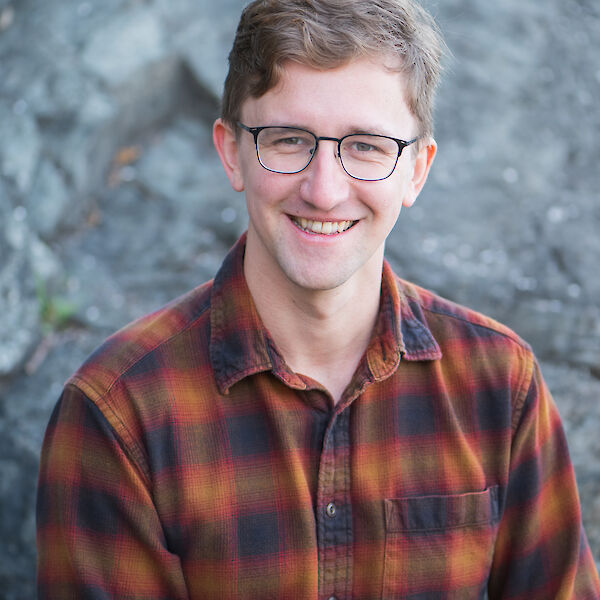
Jack Sandor
About
Policy commitments
We all want healthy, affordable, and comfortable homes. These policies will help to lower energy bills, cut pollution, and improve indoor air quality.
Our community is already experiencing the harmful impacts of climate change caused by fossil fuel pollution, and taxpayers are on the hook to upgrade and repair critical infrastructure.
The air we breathe, the water we drink, and the food we eat all rely on healthy ecosystems. Nature can also help protect our community from extreme weather by controlling floods, protecting shorelines, and cooling neighbourhoods. Access to nature improves the health and well-being of residents, and supports biodiversity.
We envision vibrant, walkable communities that protect nature and improve food security.
Connecting neighbourhoods through public transit and active transportation networks will cut pollution, improve public health, and make our communities more affordable (and fun!).
Climate change, increasing populations, and overconsumption threaten our water security. Healthy watersheds and forests are critical to support clean drinking water, stormwater management, climate resilience, and biodiversity for future generations.
Zero waste policies reduce pollution, keep waste out of landfills, build resilient local economies, and safeguard public health by shifting society away from a disposable culture toward a sustainable circular economy.
Climate action
I previously served as Vice President of Homes for Living, where I advocated for more housing within existing urban areas rather than continuing to push growth outward through suburban sprawl. I’ve also served on the board of BetterTransitYYJ, advocating for better public transit across the region, and volunteered with Capital Bike, including helping out at bike valets.
My work as an electrician has also shaped how I think about climate change. I’ve worked on everything from apartments and deeply affordable housing to large suburban developments, and I’ve seen firsthand how much energy, land and material our built environment consumes. It’s one of the reasons I care so much about building compact communities where people can walk, bike or take transit for more of their daily trips. Suburban sprawl is environmentally devastating.
On a smaller scale, my fiancée and I also started a boulevard garden outside our apartment. For me, climate action is both about reducing emissions and making our neighbourhoods greener, more resilient and better places to live. We also ride our ebikes frequently, and when I do drive, it's in my 1998 Civic that I keep on the road (though admittedly that's as much for financial reasons as it is for climate reasons).
Questions for Victoria
First, we need to make it easier for people to live low-carbon lives. That means building more housing in walkable neighbourhoods, improving transit, making walking and cycling safer, and continuing to reduce emissions from buildings. I would prioritize transportation and infrastructure spending that supports those goals.
Second, we need to prepare for the climate impacts that are already here. Extreme heat, heavier rainfall and wildfire smoke will become increasingly important public health and infrastructure challenges. I would invest in shade trees, green stormwater infrastructure, cooling and clean-air spaces, and upgrades to infrastructure as it reaches the end of its life.
Third, Victoria needs to protect and expand its tree canopy and remaining natural ecosystems. That means protecting mature trees where possible, restoring native habitat, planting more trees on public land and designing streets and new development with enough space for trees to thrive.
I don't think housing, economic growth and environmental protection are inherently in conflict. Compact infill housing can reduce sprawl, shorten trips and make transit more viable. We should design growth around our most important natural assets and use new development as an opportunity to add trees, green infrastructure and more efficient buildings.
My first priority would be retaining mature shade trees wherever possible by expanding flexibility surrounding development, and directing new tree planting toward neighbourhoods with the least canopy and greatest heat vulnerability. New trees are important, but they take decades to provide the cooling benefits of a mature tree. I would also ensure adequate soil volumes, boulevard planting and green infrastructure so the trees we plant actually survive and grow.
We also need more places for people to cool down. I would expand access to air-conditioned public spaces, drinking-water stations, shade and misting stations, with longer hours during extreme heat events. These resources should be concentrated where vulnerability is highest rather than distributed evenly for the sake of it.
For renters, I support stronger protections allowing people to safely cool their homes, alongside requirements for heat-resilient design in new buildings and support for cooling upgrades in existing affordable housing.
Finally, we need proactive outreach. The City should work with Island Health, housing providers, community organizations and neighbourhood groups to identify and check on people at greatest risk, particularly seniors, people living alone, unhoused residents and people with disabilities. Nobody should be relying on seeing a social-media post to learn that help is available.
That means strengthening development standards around tree retention and root protection and ensuring flexibility to achieve meaningful permeable and landscaped space. I would also revisit standards where they make it difficult to achieve our canopy targets, including the reduction in minimum landscaped area on many sites.
Where mature trees genuinely can’t be retained, replacement should aim to restore the ecological and canopy value being lost, rather than simply counting the number of new trees planted.
I don’t think protecting our urban forest and building more housing are incompatible. Good planning should allow us to do both. I would also support regular public reporting on canopy coverage so we can measure whether we’re actually on track for the 40% target and adjust our policies if we aren’t.
As an electrician, I’ve worked in plenty of older buildings and know these upgrades can be expensive. I would expand support for heat pumps, insulation, electrical upgrades and energy-efficiency retrofits, with particular attention to rental and strata buildings. We should make it easier to combine City, provincial and federal incentives so upfront cost isn’t what stops people from making the switch.
On transportation, I would continue building out safe walking and cycling infrastructure while working with BC Transit and neighbouring municipalities to make transit faster and more reliable. Giving people practical alternatives to driving is one of the biggest things a municipality can do to reduce transportation emissions.
I would also keep pushing waste reduction, composting, reuse and the circular economy, including municipal waste collection from multi unit residential buildings.
Compiled & presented by

Vote4Tomorrow is an independent voter guide to evaluate where local candidates stand on climate and environmental policies that will affect our future.