
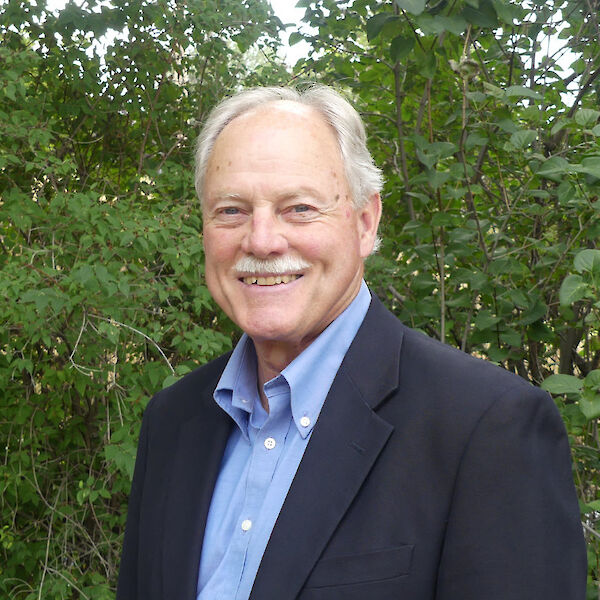
Victor Cumming
About
Policy commitments
We all want healthy, affordable, and comfortable homes. These policies will help to lower energy bills, cut pollution, and improve indoor air quality.
Our community is already experiencing the harmful impacts of climate change caused by fossil fuel pollution, and taxpayers are on the hook to upgrade and repair critical infrastructure.
The air we breathe, the water we drink, and the food we eat all rely on healthy ecosystems. Nature can also help protect our community from extreme weather by controlling floods, protecting shorelines, and cooling neighbourhoods. Access to nature improves the health and well-being of residents, and supports biodiversity.
We envision vibrant, walkable communities that protect nature and improve food security.
Connecting neighbourhoods through public transit and active transportation networks will cut pollution, improve public health, and make our communities more affordable (and fun!).
Climate change, increasing populations, and overconsumption threaten our water security. Healthy watersheds and forests are critical to support clean drinking water, stormwater management, climate resilience, and biodiversity for future generations.
Zero waste policies reduce pollution, keep waste out of landfills, build resilient local economies, and safeguard public health by shifting society away from a disposable culture toward a sustainable circular economy.
Climate action
Questions for Vernon
Exceptions to the OCP should only be considered when the community benefit of a development proposal is very large and the difference from the OCP is small.
Good development should be compatible (in size and shape) with neighbouring homes. In existing neighbourhoods with small homes on large lots, it’s appropriate to have duplexes, triple or fourplexes up to three stories that respect the look of the neighbourhood. There are many examples in the Seaton area and lower East Hill near 39th Ave. Low-rise apartments set back from neighboring buildings, as on 39th Avenue and Alexis Park Drive, are good. Apartments in mixed-use buildings in commercial areas (such as those near BX Crossing at 48th Ave and 25th Street) are also good.
Poor developments have buildings set high above adjacent neighbours, (for example, Pleasant Valley Road near 37th Avenue). Another poor practice is to have tall buildings without adequate setbacks adjacent to neighbouring lots.
The 2021 CAP fell short in a few areas. The GHG emission reduction actions will not be enough to reach our goal of net zero emissions by 2050, and need to be strengthened. Also, the 2021 CAP didn’t consider consumption-based emissions. Since these can be addressed by everyone in the community, they’re an opportunity to deeply engage all residents in helping achieve the plan targets. There may also be opportunities to address carbon sequestration to help achieve net zero emissions – working with the agricultural community and with the forest land within city limits. In addition, we need to update the GHG emissions inventory, and expand community engagement.
There are more than enough existing current lands for housing, commercial and industrial use to handle double the population of Vernon. There are a few specific locations where new roads and multi-use paths are required to cross sensitive lands, for example, the 48th Avenue Extension from Highway 97 to Old Kamloops Road, the Apollo Extension from upper Long Acre Drive to Bench Road, and roads within the Bella Vista/O’Keefe range lands (if the Okanagan Indian Band decides to partially develop their new land holdings). These are reasonable potential exceptions.
This was a historic drought year. Greater Vernon Water (GVW) must work closely with residents, agriculture and industrial users to carefully manage water in coming years. We must expand the ability of farmers to share water with each other during drought years, and advocate for more funding for irrigation improvements and on-farm water storage and collection systems. We should expand the use of treated wastewater for dust control, construction, boulevards, and agriculture to reduce demands on freshwater sources. It is also imperative to continue to reduce fire risks around our reservoirs on the Aberdeen Plateau.
We will have a new Okanagan Lake intake in 2027 that will provide irrigation water to the Bella Vista area. This summer, we were also able to bring treated wastewater to the area for irrigation use. GVW recently urged the province to prohibit well drilling in the Coldstream aquifer as it is a significant contributor of water to Kalamalka Lake. We must continue to reduce leaks in the GVW systems, and continue to improve irrigation systems in parks and public areas.
Wildfire risk is most prevalent in the interface areas in the south/western part of the City. It is also very prevalent outside the City on the Northern Aberdeen Plateau where the bulk of our fresh water comes from. Vernon, with other GVAC members, plus Lake Country and Okanagan Indian Band have been working together with substantial financial commitment from BC Wildfire to begin the very large task of reducing the catastrophic fire risk on the Plateau. The City has been actively FireSmarting Crown parcels. City right of ways and the most vulnerable neighbourhoods have been aggressively FireSmarting. Some large land owners in the Commonage area have not begun FireSmarting, so more needs to be done. An early warning system, SensNet has been installed so that fires can be detected swiftly.
Compiled & presented by
Vote4Tomorrow is an independent voter guide to evaluate where local candidates stand on climate and environmental policies that will affect our future.