Teresa Durning

Teresa Durning

Council · Vernon
20 yrs

About

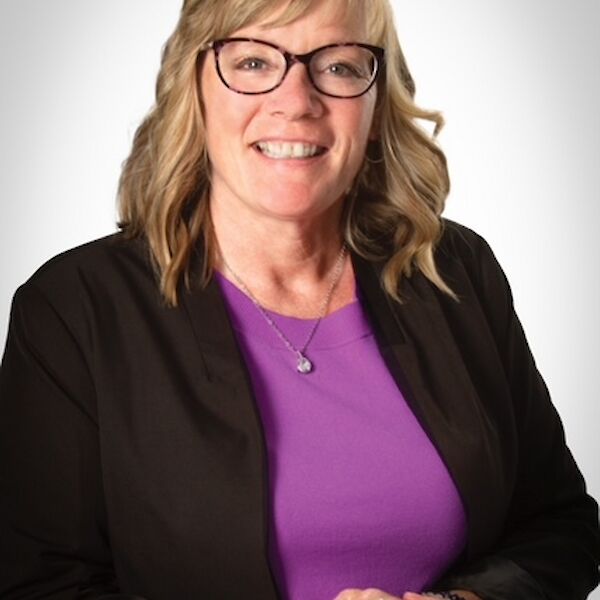
Teresa Durning cares deeply about the people and community she serves. A lifelong British Columbian and proud member of the Vernon community, Teresa brings a diverse background in business, public service, community engagement, and volunteerism.

Policy commitments

Buildings

We all want healthy, affordable, and comfortable homes. These policies will help to lower energy bills, cut pollution, and improve indoor air quality.

✓ Support electrification of new buildings. Supportive
✓ Incentivize electric heat pumps and air filtration systems. Supportive
✓ Incentivize renewable energy, battery storage, and smart-grid technologies in new and existing buildings to improve energy security. Supportive
✓ Scale up energy retrofits for existing homes, businesses, and public buildings. Supportive
✓ Implement a 'right to cool' bylaw to protect tenants during extreme heat events. Supportive
Climate Justice

Our community is already experiencing the harmful impacts of climate change caused by fossil fuel pollution, and taxpayers are on the hook to upgrade and repair critical infrastructure.

~ Endorse the fossil fuel treaty and commit to phase out fossil fuels. Neutral
~ Enact a moratorium on AI data centres to protect our energy and water resources. Neutral
~ Pursue available legal options to recover a fair share of the climate costs facing our community from fossil fuel companies and other big polluters. Neutral
✓ Collaborate with Indigenous peoples as partners in the stewardship of the land, air, and water, and work towards reconciliation. Supportive
Ecosystems

The air we breathe, the water we drink, and the food we eat all rely on healthy ecosystems. Nature can also help protect our community from extreme weather by controlling floods, protecting shorelines, and cooling neighbourhoods. Access to nature improves the health and well-being of residents, and supports biodiversity.

✓ Protect and restore ecosystems, which are essential to human survival, health, and economic well-being. Supportive
✓ Expand and protect tree canopy, parks, and green infrastructure to cool neighbourhoods, clean air, and manage stormwater. Supportive
✓ Prioritize native tree planting in all areas, especially those with low tree cover, higher population densities, and more vulnerable residents. Supportive
✓ Create connected urban greenways for people and wildlife. Supportive
Land Use

We envision vibrant, walkable communities that protect nature and improve food security.

✓ Build affordable homes near jobs, schools, shops, and transit. Supportive
✓ Upgrade critical infrastructure for heat, fire, flood, and storm resilience. Supportive
✓ Increase food security by supporting local agriculture and community gardens. Supportive
Transport

Connecting neighbourhoods through public transit and active transportation networks will cut pollution, improve public health, and make our communities more affordable (and fun!).

✓ Deliver reliable, frequent, affordable local transit. Supportive
✓ Advocate to improve regional public transit between communities. Supportive
✓ Build bike and roll networks that are safe for everyone. Supportive
✓ Expand EV charging infrastructure. Supportive
Watersheds

Climate change, increasing populations, and overconsumption threaten our water security. Healthy watersheds and forests are critical to support clean drinking water, stormwater management, climate resilience, and biodiversity for future generations.

✓ Implement water conservation plans and educate the public to conserve drinking water. Supportive
✓ Protect and restore watersheds as vital municipal infrastructure. Supportive
✓ Develop and implement a water security plan. Supportive
Zero Waste

Zero waste policies reduce pollution, keep waste out of landfills, build resilient local economies, and safeguard public health by shifting society away from a disposable culture toward a sustainable circular economy.

✓ Implement zero waste bylaws to divert organic waste and recyclables from disposal. Supportive
✓ Support the development of a circular economy to eliminate waste and improve resilience. Supportive
✓ Implement bylaws to eliminate waste from new buildings, renovation, and demolition projects and to use existing buildings as efficiently as possible. Supportive
✓ Supportive
~ Neutral
× Opposed
– No response

Climate action

How have you contributed to climate action in your community through advocacy, past work, advisory committees, volunteer work, and/or reducing your personal carbon footprint?
I believe in protecting Vernon’s natural environment and preparing our community for a changing climate are important responsibilities of local government.

My commitment to environmental stewardship extends beyond City Council. I was the founder of the Friends of BX Creek Society, working with residents, businesses, and community organizations to promote awareness and protect the BX Creek and its watershed. I have advocated and stewarded Reach 8 of BX Creek for nearly 20 years

As a member of Vernon City Council,I have supported the City’s Climate Action Plan and advocated for practical steps that can reduce emissions while preparing Vernon for climate-related risks. Her focus has included encouraging active and public transportation, supporting energy-efficient municipal vehicles, advancing greener building practices, and incorporating smart-growth principles into future community planning.

I have also identified wildfire and its potential impact on Vernon’s water supply as a significant concern. I believe climate action must include both reducing emissions and preparing our community for the environmental challenges we are already experiencing.

For me, environmental stewardship is about protecting the places that make Vernon special while building a community that is resilient, responsible, and prepared for the future.

Questions for Vernon

1. This question (see below) is the same as the 1st environmental question on the Vital Vote website: https://www.cfno.org/vitalvote-home
I believe the Urban Containment Boundary should remain the rule, not the exception. Vernon needs to grow, but we need to grow thoughtfully, protecting the agricultural land, hillsides, natural areas, and rural character that make our community special.

I would only consider an exception in truly exceptional circumstances, and only where there is a compelling community benefit that cannot reasonably be achieved within the existing urban containment boundary.

Any proposal to expand beyond the boundary should demonstrate that:

There is a clearly established community need that cannot be accommodated within the existing boundary.
Existing opportunities for infill, redevelopment and increased density have been reasonably considered first.
That there is adequate water, sewer, transportation, emergency services and other infrastructure can be provided without placing an unreasonable burden on existing taxpayers.
important agricultural, environmental and watershed areas are protected;
The proposal contributes meaningful housing diversity and, where appropriate, attainable or affordable housing.
There is a clear transportation and connectivity plan that does not simply create automobile-dependent sprawl;
The development provides significant and lasting community benefits.
The decision is consistent with Vernon’s long-term climate, environmental and infrastructure objectives.

Okanagan Village Housing Society's stacked-row housing on Okanagan Landing Road is an example of a good Project. It is in alignment with the OCP
The highly controversial Commonage Project would have been a development that does not meet the OCP objectives, is sprawl and had a high cost to taxpayers, had probable high water demands, and was proposed in a highly sensitive area.
2. This question (see below) is the same as the 2nd environmental question on the Vital Vote website: https://www.cfno.org/vitalvote-home
The emission of green house gas caused by transportation is 63% of our total. Advocating for better use of active transportation and public transportation, car pooling and environmental friendly practices such as allowing idle reduction and trip mapping for efficiency need to be a priority for Vernon. In 23

The implementation of a more on demand public transportation model might also be something Vernon could look at for the future.

If elected I will continue to vote yes on fleet purchases that are energy efficient and push City initiated public communication to educate the citizens of Vernon on transportation options and benefits for the climate.
In the 2027 CAP I would like to make wildfire resilience a major climate-action pillar & protection of Vernon Water supply. I would also like to create a better strategy to protect Vernon's trees during continued drought in an effort to keep the City cool. Doable steps to improve Vernon's natural infrastructure, such as BX Creek.
3. This question (see below) is the same as the 3rd environmental question on the Vital Vote website: https://www.cfno.org/vitalvote-home
1- Yes to the use of public funds to acquire natural land for use by the citizens who own it.
2- No, not likely - Housing for the taxpayers might convince me, but I can't think of a circumstance that I would choose to trade away these lands. The closest I can think of is the site where the Kin Race Track wetland areas. I was highly opposed to a sports field, and luckily the province addressed it.
4. This question (see below) is the same as the 4th environmental question on the Vital Vote website: https://www.cfno.org/vitalvote-home
Increase the infrastructure needed for increased reclaimed water use, Education around other opportunities to explore technologies that preserve water, continueupport of replacing aging infrastructure to improve efficiency. Continue supporting the RDNO on water conservation initiatives and support the city in doing the same. Continue working with the province to protect our water Kal Lake , Aberdeen Plateau.
5. Describe what you have done regarding climate change and related issues in our community – for example, advocacy, past work, advisory committees, volunteer work, and/or reducing your own personal carbon footprint.
Personally, I have supported difficult decisions at council that negatively impact the environment and do not support CAP - We use rain barrels, plant drought-resistant and pollinators. I also support creek-cleaning initiatives and have cleaned Reach 8 of BX for 20 years and encourage others to do the same.
6. What climate-related infrastructure risks worry you most here (fire, heat, drought, air quality, floods, sea level rise), and how will you address reducing those risks to keep our community safe?
Fire - Fire can destroy our water source - I will keep supporting the City and region to advocate for partnerships and funding to reduce risks. I will make sure to advocate for continuing that work.

Compiled & presented by

Authorized by Climate Action Now! (CAN!) North Okanagan, registered sponsor under LECFA, climatevernon@gmail.com.

Vote4Tomorrow is an independent voter guide to evaluate where local candidates stand on climate and environmental policies that will affect our future.

© 2026 Vote4Tomorrow