Rob Sawatzky

Rob Sawatzky

Council · Vernon
Vernon 36 yrs

About

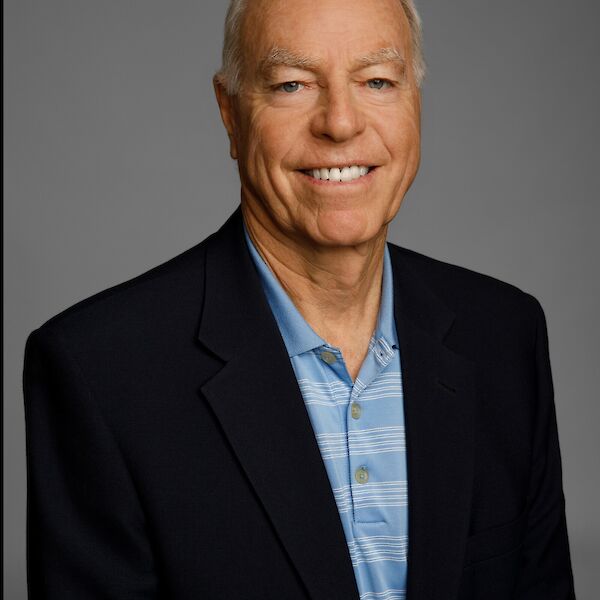
I am a semi retired family physician. I have served on boards and in leadership roles in a number of local non profits including ROGTS, Turning Points Collaborative, OLDCA, Kindred Spirits Syrian Refugee Sponsorship,. I also served a term as mayor.

Policy commitments

Buildings

We all want healthy, affordable, and comfortable homes. These policies will help to lower energy bills, cut pollution, and improve indoor air quality.

✓ Support electrification of new buildings. Supportive
✓ Incentivize electric heat pumps and air filtration systems. Supportive
✓ Incentivize renewable energy, battery storage, and smart-grid technologies in new and existing buildings to improve energy security. Supportive
✓ Scale up energy retrofits for existing homes, businesses, and public buildings. Supportive
✓ Implement a 'right to cool' bylaw to protect tenants during extreme heat events. Supportive
Climate Justice

Our community is already experiencing the harmful impacts of climate change caused by fossil fuel pollution, and taxpayers are on the hook to upgrade and repair critical infrastructure.

✓ Endorse the fossil fuel treaty and commit to phase out fossil fuels. Supportive
~ Enact a moratorium on AI data centres to protect our energy and water resources. Neutral
✓ Pursue available legal options to recover a fair share of the climate costs facing our community from fossil fuel companies and other big polluters. Supportive
✓ Collaborate with Indigenous peoples as partners in the stewardship of the land, air, and water, and work towards reconciliation. Supportive
Ecosystems

The air we breathe, the water we drink, and the food we eat all rely on healthy ecosystems. Nature can also help protect our community from extreme weather by controlling floods, protecting shorelines, and cooling neighbourhoods. Access to nature improves the health and well-being of residents, and supports biodiversity.

✓ Protect and restore ecosystems, which are essential to human survival, health, and economic well-being. Supportive
✓ Expand and protect tree canopy, parks, and green infrastructure to cool neighbourhoods, clean air, and manage stormwater. Supportive
✓ Prioritize native tree planting in all areas, especially those with low tree cover, higher population densities, and more vulnerable residents. Supportive
✓ Create connected urban greenways for people and wildlife. Supportive
Land Use

We envision vibrant, walkable communities that protect nature and improve food security.

✓ Build affordable homes near jobs, schools, shops, and transit. Supportive
✓ Upgrade critical infrastructure for heat, fire, flood, and storm resilience. Supportive
✓ Increase food security by supporting local agriculture and community gardens. Supportive
Transport

Connecting neighbourhoods through public transit and active transportation networks will cut pollution, improve public health, and make our communities more affordable (and fun!).

✓ Deliver reliable, frequent, affordable local transit. Supportive
✓ Advocate to improve regional public transit between communities. Supportive
✓ Build bike and roll networks that are safe for everyone. Supportive
✓ Expand EV charging infrastructure. Supportive
Watersheds

Climate change, increasing populations, and overconsumption threaten our water security. Healthy watersheds and forests are critical to support clean drinking water, stormwater management, climate resilience, and biodiversity for future generations.

✓ Implement water conservation plans and educate the public to conserve drinking water. Supportive
✓ Protect and restore watersheds as vital municipal infrastructure. Supportive
✓ Develop and implement a water security plan. Supportive
Zero Waste

Zero waste policies reduce pollution, keep waste out of landfills, build resilient local economies, and safeguard public health by shifting society away from a disposable culture toward a sustainable circular economy.

✓ Implement zero waste bylaws to divert organic waste and recyclables from disposal. Supportive
✓ Support the development of a circular economy to eliminate waste and improve resilience. Supportive
✓ Implement bylaws to eliminate waste from new buildings, renovation, and demolition projects and to use existing buildings as efficiently as possible. Supportive
✓ Supportive
~ Neutral
× Opposed
– No response

Climate action

How have you contributed to climate action in your community through advocacy, past work, advisory committees, volunteer work, and/or reducing your personal carbon footprint?
I was president of Ribbons of Green Trails Society for 4 years and advocated to all of the local councils for linear parks and non motorized trails. When I was mayor, I was the first politician to raise the concept of the KPR rail trail purchase at the quarterly meeting of the mayors of the 4 largest communities in the valley. That led to the process that resulted in the great asset we have now. That model showed the involved local communities how to cooperate with a single leading agency to obtain the abandoned rail from Sicamous to Armstrong for public trail use. We sold our acreage and moved to east hill specifically so that we could walk or ride our bikes for our daily transport. We both own EVs, but they don't get much use due to our daily cycling. We have a heat pump and buy carbon credits, and all the usual personal carbon reduction actions. (I took my first ecology class in the 1970s) . We will never go back to any ICEs. Our favourite place to visit is Holland because of the active transport, low carbon lifestyle. We bore all of our friends with our commitment.

Questions for Vernon

1. This question (see below) is the same as the 1st environmental question on the Vital Vote website: https://www.cfno.org/vitalvote-home
a.The short answer is very seldom. The longer answer is: when all of the best information available to council at the time of making the decision indicates that the negatives of deviating from our community plan, are outweighed by the benefits of doing so.
I personally feel that the OCP, is an essential guiding document for how we achieve our goals and make decisions for our community.
To spend that time, money and effort in order to wisely plan where we will go as a community, and then ignore or deviate from it, is illogical….at best.

b.I think that the steady improvement in density that is occurring in our more central areas or core is definitely “good”. I see many more duplexes, four plexes, and renovations of older east hill houses, as examples of where we should be going in increasing density and community efficiency. A prime example of “not good” would have been the 580 Commonage Road proposal that 3 members of our current council supported. It was in clear contravention of our OCP, and the Life Cycle Cost analysis showed what a significant financial burden it would have been in perpetuity.
2. This question (see below) is the same as the 2nd environmental question on the Vital Vote website: https://www.cfno.org/vitalvote-home
a.My understanding is that land use planning is the most important tool of local city government in dealing with GHG emissions. Our OCP goal of increasing density, and increasing active transport options and transit, are clear and effective present tools that I will support and promote. We can’t erase the sprawling past nature of our community, but we can work diligently to make it better.

b.I would like to see a renewed emphasis from our Federal government, with the cooperation of our provincial government, on tackling climate change. Mr Carney has a history of commitment to climate action but international events have essentially erased any useful national legislation, like effective levels of carbon taxation, that would encourage substantive changes that we could support and promote at our local level.
We would benefit mightily from economically driven reductions in the use of fossil fuels in our transportation, industry and homes. Design and climate mitigation and adaptation could be promoted effectively with supportive senior policy and financial signals and assistance to improve the efficacy of our CAP, instead of working in opposition to our goals.
3. This question (see below) is the same as the 3rd environmental question on the Vital Vote website: https://www.cfno.org/vitalvote-home
I feel that parks, green-space, and recreation and natural lands are an essential component of how we make our community attractive and liveable. And that should be a primary goal of our council, and one of the ways in which we invest to make our community better.
Vernon has a Master Parks Plan that must be reviewed and updated regularly. Environmental and natural lands should be a part of that parks land inventory and planning. Wise input and planning in the development of our OCP, Official Transportation Plan, and our Parks Plan will give us the answers in almost all situations, so that council is not reduced to ad hoc decisions.
Good councils make good policy. They don’t do work. Administrations do work.
Good councils should plan in ways that lay out the roadmap for how to deal with these questions and situations. Poor councils persist in constant ad hoc decisions.
I will work to help our council be a really good council.
4. This question (see below) is the same as the 4th environmental question on the Vital Vote website: https://www.cfno.org/vitalvote-home
We can best protect our water dependent Environment by securing our water supply. Our toolkit will include more reclaimed water usage, and volumetric pricing to encourage all users, to make choices that reduce our consumption to more normal world levels as we are very high per capita users. We should also investigate whether managing our most critical resource with an independent public utility, would assist in better management. I told the head of the Okanagan Basin Water Board 15 years ago that I thought that water could become the most important single issue in the valley. There wasn’t a political will to make the necessary changes over those years. I believe that there is now a strong will and I will work with council to make those changes that will make our water supply more secure.
5. Describe what you have done regarding climate change and related issues in our community – for example, advocacy, past work, advisory committees, volunteer work, and/or reducing your own personal carbon footprint.
I was president of Ribbons of Green Trails Society for 4 years and advocated to all of the local councils for linear parks and non motorized trails. When I was mayor, I was the first politician to raise the concept of the KPR rail trail purchase at the quarterly meeting of the mayors of the 4 largest communities in the valley. That led to the process that resulted in the great asset we have now. That model showed the involved local communities how to cooperate with a single leading agency to obtain the abandoned rail from Sicamous to Armstrong for public trail use. Our council promoted a community Climate Action Plan. Personally, we sold our acreage and moved to east hill specifically so that we could walk or ride our bikes for our daily transport. We both own EVs, but they don't get much use due to our daily cycling. We have a heat pump and buy carbon credits, and all the usual personal carbon reduction actions. (I took my first ecology class in the 1970s) . We will never go back to any ICEs. Our favourite place to visit is Holland because of the active transport, low carbon lifestyle, . We bore all of our friends with our commitment.
6. What climate-related infrastructure risks worry you most here (fire, heat, drought, air quality, floods, sea level rise), and how will you address reducing those risks to keep our community safe?
Climate change has increased the unpredictability of our snow and rainfall, exactly as the models predicted. We were already the hottest, most arid, water stressed area of Canada before the effects of climate change. Droughts now come more frequently, and combined with heat, have increased forest fires and flooding. Our most immediate need is to secure our water supply. Among other things, our toolkit should include pressing the provincial government to rationalize legislation for fuller use of our reclaimed water, pricing measures to provide strong incentives to more wisely reduce the usage of water by our residential, industrial and especially ag., our biggest users, down to more normal world levels from our very high per capita use. We should also investigate whether an independent public utility would result in better management of our most valuable resource. Coincident with securing our water supply, we must continue to reduce the worst risks from floods and fire, which are becoming much more regular and frequent. Our community fire smarting efforts must continue, and must include our watershed. We must also adapt our built environment and infrastructure to mitigate the results of more frequent extreme rain events with the design of its various components like storm sewers, road networks, building design , mitigation of heat islands, and provide community cooling, and tree canopies, etc.

Compiled & presented by

Authorized by Climate Action Now! (CAN!) North Okanagan, registered sponsor under LECFA, climatevernon@gmail.com.

Vote4Tomorrow is an independent voter guide to evaluate where local candidates stand on climate and environmental policies that will affect our future.

© 2026 Vote4Tomorrow