
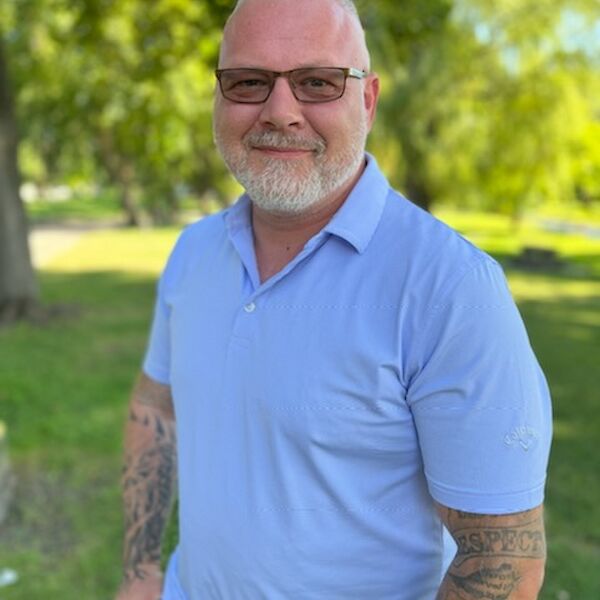
Kelly Fehr
About
Policy commitments
We all want healthy, affordable, and comfortable homes. These policies will help to lower energy bills, cut pollution, and improve indoor air quality.
Our community is already experiencing the harmful impacts of climate change caused by fossil fuel pollution, and taxpayers are on the hook to upgrade and repair critical infrastructure.
The air we breathe, the water we drink, and the food we eat all rely on healthy ecosystems. Nature can also help protect our community from extreme weather by controlling floods, protecting shorelines, and cooling neighbourhoods. Access to nature improves the health and well-being of residents, and supports biodiversity.
We envision vibrant, walkable communities that protect nature and improve food security.
Connecting neighbourhoods through public transit and active transportation networks will cut pollution, improve public health, and make our communities more affordable (and fun!).
Climate change, increasing populations, and overconsumption threaten our water security. Healthy watersheds and forests are critical to support clean drinking water, stormwater management, climate resilience, and biodiversity for future generations.
Zero waste policies reduce pollution, keep waste out of landfills, build resilient local economies, and safeguard public health by shifting society away from a disposable culture toward a sustainable circular economy.
Climate action
To combat our region's severe multi-year drought, I actively advocate for regional water conservation, including connecting the City's Water Reclamation Centre’s Spray Irrigation Program to agricultural reservoirs. I also support natural infrastructure, like the Vernon Creek Naturalization project in Polson Park, which restores riparian buffers to stabilize groundwater, cool waterways, and improve floodplain capacity.
Sustainable land use is critical to climate action. I voted to defeat the 4,000-unit 580 Commonage sprawl development, prioritizing growth within our Urban Containment Boundary to protect natural ecosystems and reduce long-term infrastructure emissions. Furthermore, I support updating municipal bylaws to mandate FireSmart landscaping, drought-tolerant xeriscaping, and low-flow irrigation for new developments.
Beyond policy, I actively support community education and sustainable management. I have served on the Joint Biosolids Advisory Committee since 2025. Additionally, since 2023, I have volunteered as a mentor with The Climate Action Ripple Effect (CARE) Program, which received a Climate & Energy Action Award. This program empowers students in Grades five to 12 across Vernon and Central Okanagan schools to work on real, community-based climate and sustainability projects alongside mentors from multiple sectors, including the City of Vernon and City of Kelowna.
Questions for Vernon
b) "Good" development in Vernon consists of higher-density, purpose-built rentals and multi-family infill located directly within our Urban and Village Centres. These projects promote housing affordability and diversity, while maximizing the infrastructure we already have.
Conversely, "not good" development is low-density, car-dependent sprawl pushing against our hillside or agricultural boundaries. This type of development fundamentally contradicts strict fiscal responsibility. It stretches our City's maintenance budgets, increases traffic congestion, and forces long-term infrastructure liabilities onto Vernon taxpayers for the benefit of a few units.
b) In the 2027 review, I want to see expanded regional water conservation initiatives. My ongoing work on the RDNO Board of Directors has reinforced that climate and water challenges require cross-boundary solutions. I will champion a formal Natural Asset Management Plan that recognizes the infrastructure value of our creeks, wetlands, and tree canopy. The updated plan should also strengthen climate-readiness supports for vulnerable residents during extreme heat and smoke events, supported by clear, data-driven metrics to track progress responsibly.
I do not support trading away natural lands with high ecological value for urban expansion. The notion that we must sacrifice critical natural areas to meet housing or business needs is a false choice. Vernon has substantial capacity inside our Urban Containment Boundary to meet growth and housing targets through infill, gentle density, and redevelopment where roads, water, and transit already exist. Pushing urban growth into sensitive hillsides, grasslands, and riparian corridors disrupts fragile ecosystems and creates expensive, long-term infrastructure liabilities for taxpayers. Compact growth protects both our environment and our fiscal bottom line.
My top priority is expanding alternative water storage. Through my work on the RDNO Board supporting regional agricultural food producers, I strongly advocate for the work underway to connect the City of Vernon Water Reclamation Centre’s Spray Irrigation Program to the Goose Lake Reservoir. This turns treated wastewater into dedicated agricultural irrigation, vastly reducing the burden on our potable drinking reservoirs.
Second, we must protect our aquifers and habitats through green infrastructure. I prioritize projects like the Vernon Creek Naturalization in Polson Park, which restores natural riparian buffers to stabilize groundwater, improve floodplain capacity, and cool waterways.
Finally, I support updating bylaws to mandate xeriscaping, drought-tolerant native plantings, and low-flow irrigation for new developments, paired with incentives for greywater recovery.
To combat our region's severe multi-year drought, I actively advocate for regional water conservation, including connecting the City's Water Reclamation Centre’s Spray Irrigation Program to agricultural reservoirs. I also support natural infrastructure, like the Vernon Creek Naturalization project in Polson Park, which restores riparian buffers to stabilize groundwater, cool waterways, and improve floodplain capacity.
Sustainable land use is critical to climate action. I voted to defeat the 4,000-unit 580 Commonage sprawl development, prioritizing growth within our Urban Containment Boundary to protect natural ecosystems and reduce long-term infrastructure emissions. Furthermore, I support updating municipal bylaws to mandate FireSmart landscaping, drought-tolerant xeriscaping, and low-flow irrigation for new developments.
Beyond policy, I actively support community education and sustainable management. I have served on the Joint Biosolids Advisory Committee since 2025. Additionally, since 2023, I have volunteered as a mentor with The Climate Action Ripple Effect (CARE) Program, which received a Climate & Energy Action Award at UBCM in Sept 2026. This program empowers students in Grades five to 12 across Vernon and Central Okanagan schools to work on real, community-based climate and sustainability projects alongside mentors from multiple sectors, including the City of Vernon and City of Kelowna.
Severe Drought: Navigating our upcoming fifth consecutive year of drought, long-term water security is an immediate economic and public safety priority. As an RDNO Director, I support advancing approvals that will connect the City of Vernon Water Reclamation Centre’s Spray Irrigation Program to regional agricultural reservoirs. This reuses treated wastewater to support our local farmers, preserving our primary potable drinking supplies. I also support updating landscaping bylaws to mandate xeriscaping and low-flow irrigation for civic and commercial properties.
Creek and Overland Flooding: Changing precipitation patterns place immense stress on our urban drainage systems. We are systematically upgrading capital infrastructure, such as the recently completed 43rd Street Bridge, and advancing ongoing vegetation and sediment management along BX and Vernon Creeks. Additionally, the multi-phase Vernon Creek Naturalization Project in Polson Park is actively transforming artificial channels into naturalized riparian areas to improve floodplain capacity and naturally stabilize groundwater.
Extreme Heat and Air Quality: Wildfire smoke and recurring heatwaves disproportionately impact seniors, low-income families, and unhoused residents. To safeguard public health, the City is expanding the urban tree canopy to shade active transportation corridors and collaborating with local organizations to ensure equitable access to clean-air and cooling shelters, such as Kal Tire Place, during extreme weather events.
Compiled & presented by
Vote4Tomorrow is an independent voter guide to evaluate where local candidates stand on climate and environmental policies that will affect our future.