Kari Statham

Kari Statham

Council · Vernon
Vernon 56 yrs

About

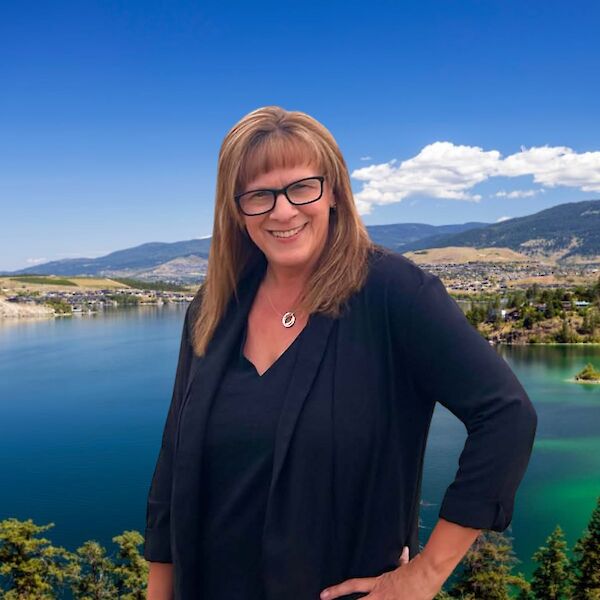
I was born and raised in Vernon, my husband and I have a blended family we have six children and two grandchildren. My entire career has been based in Vernon. My campaign is built on three simple pillars: listen, learn, act and serve .

Policy commitments

Buildings

We all want healthy, affordable, and comfortable homes. These policies will help to lower energy bills, cut pollution, and improve indoor air quality.

✓ Support electrification of new buildings. Supportive
✓ Incentivize electric heat pumps and air filtration systems. Supportive
✓ Incentivize renewable energy, battery storage, and smart-grid technologies in new and existing buildings to improve energy security. Supportive
~ Scale up energy retrofits for existing homes, businesses, and public buildings. Neutral
✓ Implement a 'right to cool' bylaw to protect tenants during extreme heat events. Supportive
Climate Justice

Our community is already experiencing the harmful impacts of climate change caused by fossil fuel pollution, and taxpayers are on the hook to upgrade and repair critical infrastructure.

~ Endorse the fossil fuel treaty and commit to phase out fossil fuels. Neutral
✓ Enact a moratorium on AI data centres to protect our energy and water resources. Supportive
✓ Pursue available legal options to recover a fair share of the climate costs facing our community from fossil fuel companies and other big polluters. Supportive
✓ Collaborate with Indigenous peoples as partners in the stewardship of the land, air, and water, and work towards reconciliation. Supportive
Ecosystems

The air we breathe, the water we drink, and the food we eat all rely on healthy ecosystems. Nature can also help protect our community from extreme weather by controlling floods, protecting shorelines, and cooling neighbourhoods. Access to nature improves the health and well-being of residents, and supports biodiversity.

✓ Protect and restore ecosystems, which are essential to human survival, health, and economic well-being. Supportive
✓ Expand and protect tree canopy, parks, and green infrastructure to cool neighbourhoods, clean air, and manage stormwater. Supportive
✓ Prioritize native tree planting in all areas, especially those with low tree cover, higher population densities, and more vulnerable residents. Supportive
~ Create connected urban greenways for people and wildlife. Neutral
Land Use

We envision vibrant, walkable communities that protect nature and improve food security.

✓ Build affordable homes near jobs, schools, shops, and transit. Supportive
✓ Upgrade critical infrastructure for heat, fire, flood, and storm resilience. Supportive
✓ Increase food security by supporting local agriculture and community gardens. Supportive
Transport

Connecting neighbourhoods through public transit and active transportation networks will cut pollution, improve public health, and make our communities more affordable (and fun!).

~ Deliver reliable, frequent, affordable local transit. Neutral
✓ Advocate to improve regional public transit between communities. Supportive
~ Build bike and roll networks that are safe for everyone. Neutral
~ Expand EV charging infrastructure. Neutral
Watersheds

Climate change, increasing populations, and overconsumption threaten our water security. Healthy watersheds and forests are critical to support clean drinking water, stormwater management, climate resilience, and biodiversity for future generations.

✓ Implement water conservation plans and educate the public to conserve drinking water. Supportive
✓ Protect and restore watersheds as vital municipal infrastructure. Supportive
✓ Develop and implement a water security plan. Supportive
Zero Waste

Zero waste policies reduce pollution, keep waste out of landfills, build resilient local economies, and safeguard public health by shifting society away from a disposable culture toward a sustainable circular economy.

✓ Implement zero waste bylaws to divert organic waste and recyclables from disposal. Supportive
~ Support the development of a circular economy to eliminate waste and improve resilience. Neutral
✓ Implement bylaws to eliminate waste from new buildings, renovation, and demolition projects and to use existing buildings as efficiently as possible. Supportive
✓ Supportive
~ Neutral
× Opposed
– No response

Climate action

How have you contributed to climate action in your community through advocacy, past work, advisory committees, volunteer work, and/or reducing your personal carbon footprint?
With a corporate background, I have worked with many corporations to help optimize supply chains, reduce waste, a focus on recycling. I’ve also worked personally on my own household footprint, upgrading heating, air and windows in our older home.

Questions for Vernon

1. This question (see below) is the same as the 1st environmental question on the Vital Vote website: https://www.cfno.org/vitalvote-home
A) I believe exception should only be made under very restrictive conditions and where we would see a tangible benefit to overall public.
B) I would say a good project has been the infill and mixed use on kal Lake Road. I think anytime we look at Hillside development where we are going into ecosystems and vulnerable areas. There should be concern.
2. This question (see below) is the same as the 2nd environmental question on the Vital Vote website: https://www.cfno.org/vitalvote-home
A) I think most important would be wildfire mitigation we need to continue to help individually household shift, continue to collaborate on grants and rebates to support
B) We have a lot of older homes and businesses in Vernon. I would like to see the focus on retrofit, after cost analysis and again collaboration for support.
3. This question (see below) is the same as the 3rd environmental question on the Vital Vote website: https://www.cfno.org/vitalvote-home
I think trading in any ecological land should be a last resort, if this type of land is absolutely required we have to hold the developer responsible to conserve portions of the land being used and responsible to maintain some of the land as part of the ecosystem. We saw good examples of this in Turtle mountain.
4. This question (see below) is the same as the 4th environmental question on the Vital Vote website: https://www.cfno.org/vitalvote-home
Elected I would advocate for expanding the agricultural water infrastructure program continue to work on leak detecting software as our infrastructure is a lot older in many areas. Furthermore, I would oppose any development over sensitive groundwater areas.
5. Describe what you have done regarding climate change and related issues in our community – for example, advocacy, past work, advisory committees, volunteer work, and/or reducing your own personal carbon footprint.
Professionally, most of the impact has been in the corporate world where I’ve had to work with many corporations on plans to minimize their negative effect on the environmental footprint. At home we personally work on maximizing waste reduction.
6. What climate-related infrastructure risks worry you most here (fire, heat, drought, air quality, floods, sea level rise), and how will you address reducing those risks to keep our community safe?
This one is a tough one to answer in 250 words as they are all clearly priority however, I would say combating, wildfire, and air quality risk. I’m continue to support an advocate towards the Ellison wildfire risk production project.

Compiled & presented by

Authorized by Climate Action Now! (CAN!) North Okanagan, registered sponsor under LECFA, climatevernon@gmail.com.

Vote4Tomorrow is an independent voter guide to evaluate where local candidates stand on climate and environmental policies that will affect our future.

© 2026 Vote4Tomorrow