
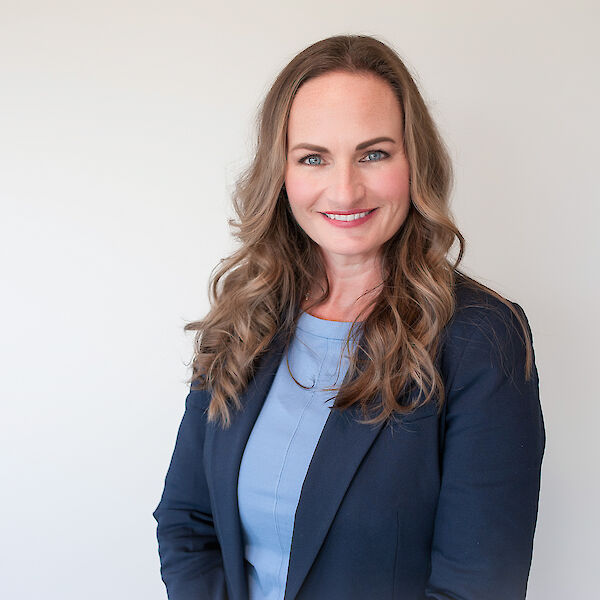
Kari Gares
About
Policy commitments
We all want healthy, affordable, and comfortable homes. These policies will help to lower energy bills, cut pollution, and improve indoor air quality.
Our community is already experiencing the harmful impacts of climate change caused by fossil fuel pollution, and taxpayers are on the hook to upgrade and repair critical infrastructure.
The air we breathe, the water we drink, and the food we eat all rely on healthy ecosystems. Nature can also help protect our community from extreme weather by controlling floods, protecting shorelines, and cooling neighbourhoods. Access to nature improves the health and well-being of residents, and supports biodiversity.
We envision vibrant, walkable communities that protect nature and improve food security.
Connecting neighbourhoods through public transit and active transportation networks will cut pollution, improve public health, and make our communities more affordable (and fun!).
Climate change, increasing populations, and overconsumption threaten our water security. Healthy watersheds and forests are critical to support clean drinking water, stormwater management, climate resilience, and biodiversity for future generations.
Zero waste policies reduce pollution, keep waste out of landfills, build resilient local economies, and safeguard public health by shifting society away from a disposable culture toward a sustainable circular economy.
Climate action
In our household, we recycle almost everything we can and compost to reduce the amount of waste going to landfill. We collect and store rainwater for use around our property and find ways to reuse pool water rather than simply letting it go to waste. We grow some of our own food and, wherever possible, choose to reuse, repair, or repurpose items rather than replace them. I use natural fertilizers from common foods such as eggshells to help grow my vegetables - such as tomatoes.
Through my work in local government, regional committees, and community service, I have also supported thoughtful discussions around sustainability, responsible land use, housing, infrastructure, and long-term community resilience.
My approach is pragmatic. Climate action should produce meaningful results while considering affordability, taxpayer impact, and the realities facing families and businesses. I believe governments can play an important role through good planning, education, partnerships, and leading by example, while giving residents the tools and opportunities to make choices that work for their individual circumstances.
For me, sustainability is not simply about policy - it is about responsible stewardship, reducing unnecessary waste, using resources wisely, and leaving a strong and resilient community for future generations.
Questions for Vernon
Development outside the boundary should face a high threshold and demonstrate a clear net-positive benefit to Vernon. Council should consider: Are we protecting the environment over the long term? What are the social and economic benefits? Who bears the infrastructure and servicing costs? Does the proposal create a meaningful new benefit for the broader community?
I apply the same principles when considering “good” or “bad” development. Good development is smart development - it respects its surroundings, considers infrastructure and environmental impacts, contributes to housing or economic opportunity, and enhances the community’s form and character.
I am concerned that provincial legislation such as Bill 44 can undermine smart growth. While increasing housing supply is important, in my view, prescribed density and reduced opportunities for traditional municipal oversight and public hearings can result in development that does not adequately reflect neighbourhood form, character or local circumstances.
Growth is inevitable, but how we grow matters. Smart growth means ensuring development - whether inside or outside the Urban Containment Boundary - leaves Vernon environmentally, socially and economically better off.
I support continuing to pursue the achievable, lower-cost initiatives that provide environmental and community benefits without placing an unreasonable financial burden on taxpayers. Provincial and federal grants have also allowed Vernon to advance important initiatives. As those funding programs become more constrained or competitive, we must continue advocating for our community while recognizing that municipal resources are not unlimited.
For the 2027 review, I would like to see greater emphasis on adaptation and resilience, particularly wildfire and water security. In the Okanagan, drought, wildfire, extreme heat and smoke are tangible risks. While water management requires strong regional partnerships, Vernon should ensure water security is part of our long-term resilience planning.
I would also strengthen the connection between climate planning, infrastructure and asset management. Every major initiative should identify its cost, funding source, measurable benefit and whether it falls within municipal responsibility.
Our revised CAP should build upon what is already working, respond to the risks most relevant to Vernon, and ensure our actions provide meaningful environmental, social and economic benefits to the community.
Any acquisition should therefore be evaluated against clear criteria, including ecological significance, public benefit, connectivity to existing natural areas, acquisition and long-term stewardship costs, and overall value to taxpayers. We should also pursue partnerships, grants and other funding opportunities that can help protect important lands without placing the entire financial burden on Vernon taxpayers.
I believe in smart growth and achieving a net-positive outcome for our community. Vernon needs housing, employment lands, transportation infrastructure and economic growth, but those needs should not automatically come at the expense of lands with high ecological value.
Where development of environmentally significant lands is contemplated, the threshold should be high. Council should consider alternatives, environmental impacts and mitigation, infrastructure costs, and the broader social and economic benefits before making a decision.
There will be difficult choices and competing priorities. Good leadership means recognizing both environmental and fiscal realities. Our goal should be to protect significant natural assets wherever reasonably possible while ensuring that our decisions are financially responsible and leave Vernon environmentally, socially and economically better off for future generations.
I would prioritize protecting riparian areas and wetlands, continuing creek restoration, improving stormwater management, and ensuring land-use decisions consider impacts on water quality, groundwater recharge and natural drainage systems.
Water availability must also be part of smart-growth decisions. As our community grows, we need to understand whether our water supply and infrastructure can sustainably support that growth - not just today, but decades from now.
Conservation remains important. We should continue reducing system leakage, improving municipal irrigation practices, encouraging water-efficient landscaping and exploring opportunities for reclaimed water, particularly where potable water is unnecessary. However, conservation alone cannot address every future shortage. We must also plan for adequate storage, infrastructure, system redundancy and alternative sources.
Much of our water system is regional, making collaboration essential. Vernon must continue working with the RDNO, neighbouring communities, agricultural users and senior governments on long-term solutions.
Finally, we need to recognize the connection between water, agriculture and food security. Protecting this resource requires balancing residential, agricultural, environmental and recreational needs through sound science, responsible investment and long-term planning.
Water conservation is a significant focus. We currently capture rainwater in 5 barrels, collect grey water for garden use, and store pool water for reuse during extreme heat and water restrictions. Our next step is a larger water-storage tank to capture significantly more rainwater and reduce our reliance on treated water during peak demand.
We recycle heavily and compost extensively, significantly reducing what we send to the landfill. As a result, we generally only need garbage collection every two weeks and even then, the amount of garbage we produce is minimal. We also grow some of our own food (I do extensive canning) and reuse or repurpose materials wherever practical. Even our eggshells are ground and returned to the garden to provide calcium and improve our soil.
Energy conservation is equally important. We keep our home at approximately 67°F (19°C) during the heating season, reducing both energy consumption and heating costs.
These are simple, practical actions, but collectively they reduce waste, conserve water and energy, and make our household more resilient. My approach is to lead by example: use resources responsibly, reduce waste wherever possible, and continually look for practical ways to do better.
We have invested in FireSmart and fuel-management initiatives, flood mapping and mitigation, creek naturalization, drainage improvements, emergency preparedness and infrastructure planning. My priority is to continue building on this work, focusing resources where they provide the greatest protection to people, property and critical infrastructure.
One of my growing concerns is funding. Many of the programs that have allowed municipalities like Vernon to undertake this work have been supported significantly by provincial and federal governments. As those funding programs are reduced, changed or eliminated, municipalities will face difficult decisions about what can realistically be maintained without transferring substantial new costs to local taxpayers.
As Mayor, I would continue advocating strongly for senior-government investment in wildfire prevention, water security, flood mitigation and resilient infrastructure. At the same time, we must prioritize our resources carefully, incorporate risk reduction into regular infrastructure and asset-management decisions, and pursue regional partnerships wherever possible.
Resilience is not achieved through one program or project. It requires long-term planning, responsible investment and collaboration. Vernon has made important progress, and my focus would be protecting that progress while ensuring our future actions remain effective, affordable and sustainable.
Compiled & presented by
Vote4Tomorrow is an independent voter guide to evaluate where local candidates stand on climate and environmental policies that will affect our future.