
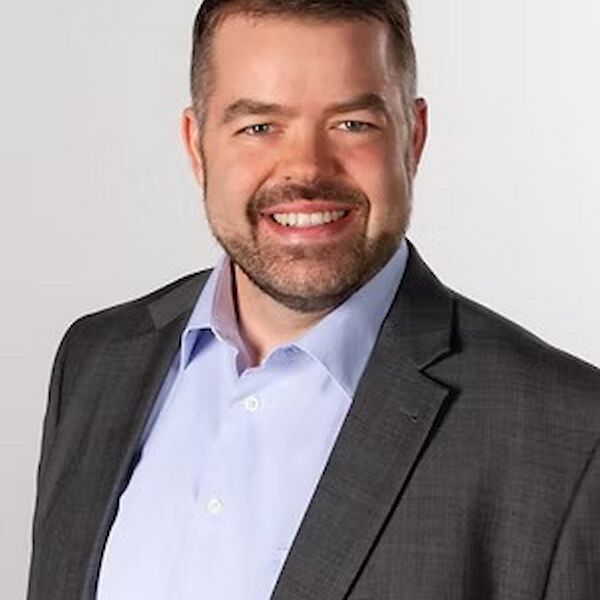
Dustin Griffin

Dustin Griffin

Council · Vernon
East Hill/Harwood 12 yrs

About

I was born in Vernon and grew up in Spallumcheen. I left to attend law school in Halifax but was fortunate to be able to come back and start my career at home. I joined Kidston Helm Ross Lawyers in 2012 and I have been there ever since.

Policy commitments

Buildings

We all want healthy, affordable, and comfortable homes. These policies will help to lower energy bills, cut pollution, and improve indoor air quality.

✓ Support electrification of new buildings. Supportive
✓ Incentivize electric heat pumps and air filtration systems. Supportive
~ Incentivize renewable energy, battery storage, and smart-grid technologies in new and existing buildings to improve energy security. Neutral
~ Scale up energy retrofits for existing homes, businesses, and public buildings. Neutral
~ Implement a 'right to cool' bylaw to protect tenants during extreme heat events. Neutral
Climate Justice

Our community is already experiencing the harmful impacts of climate change caused by fossil fuel pollution, and taxpayers are on the hook to upgrade and repair critical infrastructure.

× Endorse the fossil fuel treaty and commit to phase out fossil fuels. Opposed
✓ Enact a moratorium on AI data centres to protect our energy and water resources. Supportive
× Pursue available legal options to recover a fair share of the climate costs facing our community from fossil fuel companies and other big polluters. Opposed
✓ Collaborate with Indigenous peoples as partners in the stewardship of the land, air, and water, and work towards reconciliation. Supportive
Ecosystems

The air we breathe, the water we drink, and the food we eat all rely on healthy ecosystems. Nature can also help protect our community from extreme weather by controlling floods, protecting shorelines, and cooling neighbourhoods. Access to nature improves the health and well-being of residents, and supports biodiversity.

✓ Protect and restore ecosystems, which are essential to human survival, health, and economic well-being. Supportive
✓ Expand and protect tree canopy, parks, and green infrastructure to cool neighbourhoods, clean air, and manage stormwater. Supportive
✓ Prioritize native tree planting in all areas, especially those with low tree cover, higher population densities, and more vulnerable residents. Supportive
✓ Create connected urban greenways for people and wildlife. Supportive
Land Use

We envision vibrant, walkable communities that protect nature and improve food security.

✓ Build affordable homes near jobs, schools, shops, and transit. Supportive
✓ Upgrade critical infrastructure for heat, fire, flood, and storm resilience. Supportive
✓ Increase food security by supporting local agriculture and community gardens. Supportive
Transport

Connecting neighbourhoods through public transit and active transportation networks will cut pollution, improve public health, and make our communities more affordable (and fun!).

✓ Deliver reliable, frequent, affordable local transit. Supportive
✓ Advocate to improve regional public transit between communities. Supportive
✓ Build bike and roll networks that are safe for everyone. Supportive
~ Expand EV charging infrastructure. Neutral
Watersheds

Climate change, increasing populations, and overconsumption threaten our water security. Healthy watersheds and forests are critical to support clean drinking water, stormwater management, climate resilience, and biodiversity for future generations.

✓ Implement water conservation plans and educate the public to conserve drinking water. Supportive
✓ Protect and restore watersheds as vital municipal infrastructure. Supportive
✓ Develop and implement a water security plan. Supportive
Zero Waste

Zero waste policies reduce pollution, keep waste out of landfills, build resilient local economies, and safeguard public health by shifting society away from a disposable culture toward a sustainable circular economy.

~ Implement zero waste bylaws to divert organic waste and recyclables from disposal. Neutral
✓ Support the development of a circular economy to eliminate waste and improve resilience. Supportive
~ Implement bylaws to eliminate waste from new buildings, renovation, and demolition projects and to use existing buildings as efficiently as possible. Neutral
✓ Supportive
~ Neutral
× Opposed
– No response

Climate action

How have you contributed to climate action in your community through advocacy, past work, advisory committees, volunteer work, and/or reducing your personal carbon footprint?
My volunteer work has not been directly related to climate action. I have certainly pursued positive climate action decisions with the organizations I have been a part of. For example, when I was on the board of the Interior Provincial Exhibition, we enacted a number of positive climate actions such as introducing refillable water stations. We also had a wildly successful organics diversion program for food vendors.

Personally, I am someone who makes an effort to reduce their carbon footprint however. I have invested in an electrified vehicle, I am a reliable recycler and composter, and I try to be efficient with water use by hand watering plants. I also embrace small scale agriculture with growing my own food, even when all I had access to were containers on the deck.

Questions for Vernon

1. This question (see below) is the same as the 1st environmental question on the Vital Vote website: https://www.cfno.org/vitalvote-home
a) In order to consider breaching the urban containment boundary (UCB) the proposal must be a true exception. The OCP already outlines on what grounds consideration should be given to an exception to the UCB including things like meeting community housing needs, conservation or restoration of environmentally sensitive areas, and improved infrastructure etc. For me, any proposal outside the UCB must not just check the box. It would have to be an exceptionally substantive benefit to even make it to a public hearing. Then the public will tell council if the proposal is worth the exception.

b) I think the Hamlets in Downtown Vernon is a good example of development in Vernon. It’s a large residential building with mixed use. Unfortunately, it feels like an island. More multi-story buildings in our urban centers should be the priority for building in Vernon. Another multi-use building with residential units is going in at Anderson Way, I believe it’s the first purpose built residential. I was skeptical at first of the development occurring in the north end of Vernon, but when you look at the nearby amenities such as grocery stores, home improvement, and health services, it makes a lot of sense to introduce some real residential options.
As for ‘not good’ building development, I’m concerned about further expansion in our hillside neighbourhoods. The drought experience we’ve had and the incredible fire risk emphasises the risk these neighbours have for interface fires and fire preparedness will be critical for these areas moving forward.
2. This question (see below) is the same as the 2nd environmental question on the Vital Vote website: https://www.cfno.org/vitalvote-home
a) The most important aspects of the Plan are the land use vision for future development of the City and the need to ensure our community can adapt and remain resilient in the face of the changing climate.
Multiple climate change and greenhouse reduction goals can be pursued with a focus on densified neighbourhoods with easy access to services and amenities. It means a better reduction in our per person GHG emissions with smarter buildings and the closer proximity to work and the things residents need will reduce the requirement for traditional transportation choices. It also helps take the pressure off our sensitive ecosystems making them easier to protect.
We need to prioritize improvements and adaptations to our infrastructure and have robust systems in place to respond to climate emergencies such as fire and drought.
Council is responsible for setting the expectations of City staff and driving the change that the city needs to see. My role is to vote to advance bylaws, policies, and procedures that further these goals and to push back against proposal that take us down a road away from our OCP and CAP.

b) Our recent experience in the North Okanagan demands a renewed focus on adaptation. A revised CAP needs to zero in on real action for improving the resilience of the City of Vernon such as water and sewer modernization and innovation, reclaimed water for agriculture and other non-potable uses, and fire resistance.
3. This question (see below) is the same as the 3rd environmental question on the Vital Vote website: https://www.cfno.org/vitalvote-home
Yes, acquiring natural lands for conservation is an appropriate use for public funds. But I would not consider it a priority for the City. For me, this means being open to assisting on high value acquisitions or once in a lifetime opportunity to acquire unique land parcels. It would not be the City’s role to actively seek out properties to acquire on its own initiative given the pressing needs on the public purse, particularly now, during this affordability crisis.
There really should not be any need to trade off away natural lands with high ecological value for urban expansion if we keep to our urban containment boundaries. But if we are going to consider such a trade, then the benefits must be substantial and not achievable by other means or with different development locations in the City.
4. This question (see below) is the same as the 4th environmental question on the Vital Vote website: https://www.cfno.org/vitalvote-home
There are two things I would pursue and support as councillor. First, riparian and other areas that contain or are adjacent to our lakes and rivers must be protected. Whether it is new development, maintaining existing riparian zones, or restoration of natural waterways (like Polson Park) the City has a role standing as steward over these areas and should act to guard against deterioration and contamination. This is something we can take the lead on ourselves.
The second requires us to work with our regional partners through the provision of water by Greater Vernon Water and the Regional District. It more important than ever that each jurisdiction come together as a water availability is a pan-community problem. I would rely upon the great level of expertise available to us through the various professionals and experts in this area to advise on the necessary steps to safeguard our water system. A personal area of interest is the improvement and development of our reclaimed water systems. Agricultural users got hit hard this year and if agriculture is going to be a viable part of our Greater Vernon community, we need to improve access to water to which the reclaimed system should have a greater role to play.
5. Describe what you have done regarding climate change and related issues in our community – for example, advocacy, past work, advisory committees, volunteer work, and/or reducing your own personal carbon footprint.
As previously noted my volunteer and advocacy work has not been directly related to climate action. I have supported others and generally directed my political support to climate change policies in the past. Certainly I can say I believe climate change is a real and present threat that demands action.

I also believe everyday decisions for people, businesses, and organizations should all account for climate change considerations. Embed the lens of climate action in all other decisions. Many small adjustments over time will contribute to great change.

As stated previously, I am someone who makes an effort to reduce their carbon footprint. I have invested in an electrified vehicle, I am a reliable recycler and composter, and I try to be efficient with water use by hand watering plants. I also embrace small scale agriculture with growing my own food, even when all I had access to were containers on the deck.
6. What climate-related infrastructure risks worry you most here (fire, heat, drought, air quality, floods, sea level rise), and how will you address reducing those risks to keep our community safe?
Drought is the most pressing risk we are facing in the Vernon area. With drought comes risks of fire and air quality changes. This year it has a real impact on the quality of life of all Vernon residents.

Given water is managed though Greater Vernon Water and our regional partners, but Vernon must play its part in protecting our water sources and developing innovative ways to meet the needs of our community and our surrounding environment.

In particular I would push for an expansion of our reclaimed water capabilities to support local agriculture which would 1) help provide the needed water for our local producers and 2) help reduce the demand on the drinking water system allowing for more resilience on our residential water services.

Compiled & presented by
Authorized by Climate Action Now! (CAN!) North Okanagan, registered sponsor under LECFA, climatevernon@gmail.com.

Vote4Tomorrow is an independent voter guide to evaluate where local candidates stand on climate and environmental policies that will affect our future.

© 2026 Vote4Tomorrow