
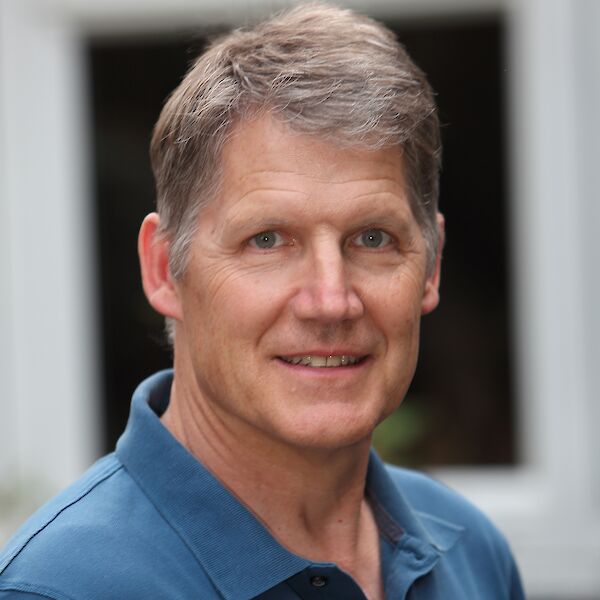
Barry Dorval
About
Policy commitments
We all want healthy, affordable, and comfortable homes. These policies will help to lower energy bills, cut pollution, and improve indoor air quality.
Our community is already experiencing the harmful impacts of climate change caused by fossil fuel pollution, and taxpayers are on the hook to upgrade and repair critical infrastructure.
The air we breathe, the water we drink, and the food we eat all rely on healthy ecosystems. Nature can also help protect our community from extreme weather by controlling floods, protecting shorelines, and cooling neighbourhoods. Access to nature improves the health and well-being of residents, and supports biodiversity.
We envision vibrant, walkable communities that protect nature and improve food security.
Connecting neighbourhoods through public transit and active transportation networks will cut pollution, improve public health, and make our communities more affordable (and fun!).
Climate change, increasing populations, and overconsumption threaten our water security. Healthy watersheds and forests are critical to support clean drinking water, stormwater management, climate resilience, and biodiversity for future generations.
Zero waste policies reduce pollution, keep waste out of landfills, build resilient local economies, and safeguard public health by shifting society away from a disposable culture toward a sustainable circular economy.
Climate action
I have been an active member of Climate Action Now! North Okanagan, helping to organize actions to bring awareness and action on climate issues.
I was the co-chair and lead spokesperson for Stop Sprawl Vernon, the organization opposing a hillside sprawl development in the commonage.
I co-founded Climate Action Ripple Effect (CARE) and have been actively involved in its development and implementation here in School District 22 (Vernon) and in the Central Okanagan School District 23, volunteering hundreds of hours over the past five years.
I co-lead the Climate Ambassador program and help organize peer-to-peer workshops. I am also part of a committee working to establish a community climate-engagement centre in Vernon, modelled on successful centres in the United Kingdom.
I served two terms on Vernon’s Climate Action Advisory Committee, including one as chair. Before Vernon developed its award-winning Climate Action Plan, I helped invite community members into workshops where they could learn, discuss the issues and contribute ideas.
I have mentored student organizers of youth climate strikes, joined the global climate strike as a teacher, helped organize demonstrations challenging RBC’s financing of fossil-fuel companies and ran as a climate-focused candidate in the 2017 provincial election.
At home, we own one vehicle, which is electric. I cycled as my primary transportation while teaching. We replaced our gas furnace with an electric heat pump and improved our home’s efficiency by replacing single-pane windows and adding insulation and weather-stripping.
Questions for Vernon
I would consider one only when:
• An important community need can’t reasonably be met inside the boundary; or
• A minor boundary adjustment would create a significant net public benefit.
Any exception would also require:
• A transparent public process;
• Confirmed water, fire protection and transportation capacity;
• A thorough, credible lifecycle-cost analysis;
• Developer payment of related infrastructure costs; and
• Protection of agricultural land and sensitive ecosystems.
b) Local examples:
The Hub is a good example:
• Added 57 homes and street-level commercial space downtown.
• Located close to shops, services and transit.
• Uses already serviced land and public infrastructure efficiently.
Adventure Bay is a weaker development pattern:
• Largely single-family housing; many homes exceeding 3,000 square feet.
• Located 13km from core, far from most daily needs.
• Car dependent; makes public transit difficult.
• Requires more road/utility infrastructure per household.
• Wasteful of water
• Places added pressure on natural areas.
• Adaptation: Prepare for wildfire, extreme heat, drought and flooding through water planning, FireSmart measures, shade and cooling, resilient infrastructure and support for vulnerable residents.
• Transportation: Creates about 63% of Vernon’s emissions. Compact growth, safer walking and cycling, better transit and EV charging should be central.
• Implementation: Continue to set and measure annual actions and report results publicly. The City should lead through its own operations; give residents and businesses practical information and support.
b) The revised CAP should:
• Use current climate and emissions data, assess what has worked, and set clear priorities with deadlines and measurable results.
• Treat trees, wetlands, streams and soils as infrastructure that protects water, reduces heat and flooding, and supports biodiversity.
• Give people and businesses practical, affordable actions and information about available support.
• Address what and how much we consume by encouraging less waste, repair and reuse through information and incentives, and buy local; don’t blame.
• Yes, particularly provincial and federal funds. Protecting significant natural lands serves regional, provincial and national interests.
• Municipal/regional funding should be used selectively. Acquisitions should fit parks and natural-land plans, protect important habitat or ecological connections, provide clear public benefit and include the long-term cost of stewardship.
• The City should seek grants and partnerships with Indigenous governments, land trusts, conservation organizations, private donors and landowners rather than relying only on local taxpayers.
Trading natural land for development
• The need for housing, businesses, roads or other infrastructure alone wouldn’t justify developing land with high ecological value. First use serviced land within the urban boundary more efficiently.
• Consider development only if the land is already surrounded by urban development and independent assessment showed that much of its original ecological function had been lost.
• Even then, alternatives must be examined, damage minimized and remaining habitat protected and connected.
• Land that continues to provide significant habitat, water, cooling or other natural functions should be retained.
I would use Vernon’s voice at GVAC/RDNO and work collaboratively with OKIB, agricultural water users, neighbours and senior levels of government.
My priorities:
• Protect water at its source: safeguard creeks, wetlands, aquifers and reservoir watersheds; improve monitoring and prevent contamination.
• Plan for a hotter, drier future with conservative forecasts and clear reporting on supply, demand and drought risk.
• Assess new supply carefully. Historic licences may offer options, including Okanagan Lake water for agriculture. But a licence doesn’t guarantee usable water. Access may require intakes, pipes or treatment, environmental approval, and proof of supply during drought. Compare full lifecycle costs.
• Reduce waste through leak detection, metering, efficient irrigation, drought-tolerant landscaping and incentives.
• Tie development to proven water capacity and make growth pay its fair share of upgrades.
• Set clear drought stages protecting basic household needs, agriculture, fish and wildlife.
I will support:
• Using current climate-risk and floodplain mapping to guide land-use decisions, infrastructure upgrades, asset management and emergency planning.
• Expanding FireSmart work on public and private property, reducing hazardous fuels, and ensuring adequate water reserves for fire flows, proactive evacuation planning and effective emergency communications.
• Increasing shade and tree cover (especially in areas that have less coverage currently) and ensuring that public facilities can provide accessible cooling and clean-air spaces during heat and smoke emergencies. Outreach must prioritize seniors, unhoused residents and others with health related vulnerabilities.
• Working with the RDNO to strengthen long-term water planning, reduce leaks and waste, encourage conservation, expand appropriate use of reclaimed water, increase water supply through water license applications where feasible, and improve drought resilience.
• Upgrading stormwater systems where risks are greatest, explore the viability of increasing expanded use of permeable surfaces in urban settings, and protecting wetlands, floodplains and natural drainage systems that hold and slow water.
• Testing backup power and continuity plans for critical facilities and services.
• Working to ensure ESS has the resources to meet its mandate appropriately.
These risks should be built into everyday budgeting and planning. New development must avoid unacceptable hazards and pay its fair share of the infrastructure required to keep people safe.
Compiled & presented by
Vote4Tomorrow is an independent voter guide to evaluate where local candidates stand on climate and environmental policies that will affect our future.