
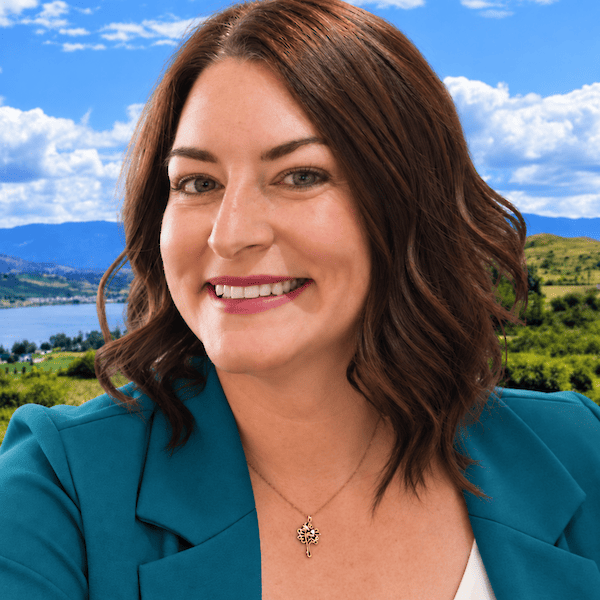
Amy Klassen
About
Policy commitments
We all want healthy, affordable, and comfortable homes. These policies will help to lower energy bills, cut pollution, and improve indoor air quality.
Our community is already experiencing the harmful impacts of climate change caused by fossil fuel pollution, and taxpayers are on the hook to upgrade and repair critical infrastructure.
The air we breathe, the water we drink, and the food we eat all rely on healthy ecosystems. Nature can also help protect our community from extreme weather by controlling floods, protecting shorelines, and cooling neighbourhoods. Access to nature improves the health and well-being of residents, and supports biodiversity.
We envision vibrant, walkable communities that protect nature and improve food security.
Connecting neighbourhoods through public transit and active transportation networks will cut pollution, improve public health, and make our communities more affordable (and fun!).
Climate change, increasing populations, and overconsumption threaten our water security. Healthy watersheds and forests are critical to support clean drinking water, stormwater management, climate resilience, and biodiversity for future generations.
Zero waste policies reduce pollution, keep waste out of landfills, build resilient local economies, and safeguard public health by shifting society away from a disposable culture toward a sustainable circular economy.
Climate action
Living in the Netherlands also showed me what communities designed around bicycles can look like when the infrastructure actually makes cycling practical and safe.
I also saw a very different attitude toward consumption. In places where people had less, things were repaired, reused and valued. Food was not casually wasted and people made much more use of what they already had.
Coming back to Canada was a bit of a reverse culture shock. It made me appreciate how fortunate we are, but also how much we sometimes take our resources for granted.
In my own life I try to lead by example by reducing waste, reusing what I can, gardening and being thoughtful about consumption. I have also advocated for better transit and active transportation, protecting our trees and natural areas, conserving water and planning responsibly for climate risks. I want us to use our resources wisely and be good stewards of our land and water for the generations that come after.
Questions for Vernon
A good local example is The Hub on 28th Avenue. It adds housing and commercial space downtown, close to existing services and infrastructure. I am less supportive of older development patterns, such as those along Highway 97 and 27th Street, that use a lot of land for parking and make people dependent on driving. As Vernon grows, I think we should make better use of the land and infrastructure we already have.
The Climate Action Plan needs to be something we actually use. I would want clear priorities, timelines, costs and regular updates so we know what is working and what is not. Climate planning should also be part of decisions about roads, buildings, infrastructure and growth.
For the 2027 review, I want us to use the local information we are already collecting about drought, wildfire risk, transportation and our urban forest. Affordability also matters. We should focus on practical actions that save money or prevent bigger costs later. I would also use my knowledge of government to aggressively pursue provincial and federal funding so local taxpayers are not carrying the whole cost.
Natural areas are not just empty land waiting to be developed. Wetlands, creeks, forests and grasslands provide wildlife habitat, shade, cleaner water, stormwater management and places for people to enjoy.
We absolutely need more housing, but that does not mean we should automatically expand into environmentally important areas. I would first look at infill, redevelopment and land that is already within the urban area. If development on sensitive land was being considered, I would want good environmental information, a serious look at the alternatives and a clear understanding of the long-term costs and benefits before making that decision.
I would prioritize protecting our watersheds, creeks, wetlands, groundwater and lakes. Our lakes are not only beautiful places that residents and visitors enjoy. They support fish and wildlife and are important sources of drinking and agricultural water.
I also think we need to take threats from pollution and invasive species very seriously. I would support stronger inspection and decontamination of high-risk watercraft coming into our region and advocate to the provincial and federal governments for stronger protections. I would also be willing to look at restrictions on motorized watercraft on particularly sensitive lakes, including whether electric, wind and human-powered watercraft would be more appropriate in some locations.
We should keep reducing water waste, repairing leaks, expanding reclaimed water where practical and using landscaping and irrigation that require less water. As Vernon grows, we need to make sure our water supply can support that growth and use what we learned from this drought to plan ahead.
I have worked in agriculture, reforestation, farming and agricultural consulting, where issues like drought, water availability, wildfire, soil health and changing growing conditions are very real. Those experiences gave me a practical appreciation for how closely our economy, food system and environment are connected.
In my community work and during this campaign, I have also spent a lot of time learning about Vernon's Climate Action Plan, water planning, urban forest, wildfire resilience and active transportation. I care strongly about protecting trees and natural areas, conserving water and making sure we plan for a changing climate.
Personally, I try to make practical choices where I can, and I believe individual action matters, but the biggest opportunities come from good community planning and infrastructure.
We need to prepare before emergencies happen. That means continuing FireSmart work and wildfire mitigation, protecting and maintaining our water supply, planning infrastructure for drought and extreme weather, and making sure vulnerable residents have access to cool and clean-air spaces during heat and smoke events.
Building on my answer to Question 4, I am also very concerned about invasive mussels. If they become established here, they can damage our lakes and clog drinking-water and irrigation infrastructure. I would strongly advocate for prevention, including inspection and decontamination of high-risk watercraft, and I would be willing to look at stronger protections for particularly sensitive lakes.
Natural infrastructure matters too. Trees, wetlands and creeks help cool neighbourhoods, manage stormwater and reduce some of the impacts of extreme weather.
These projects can be expensive, so I would aggressively pursue provincial and federal funding to help Vernon prepare while reducing the burden on local taxpayers.
Compiled & presented by
Vote4Tomorrow is an independent voter guide to evaluate where local candidates stand on climate and environmental policies that will affect our future.