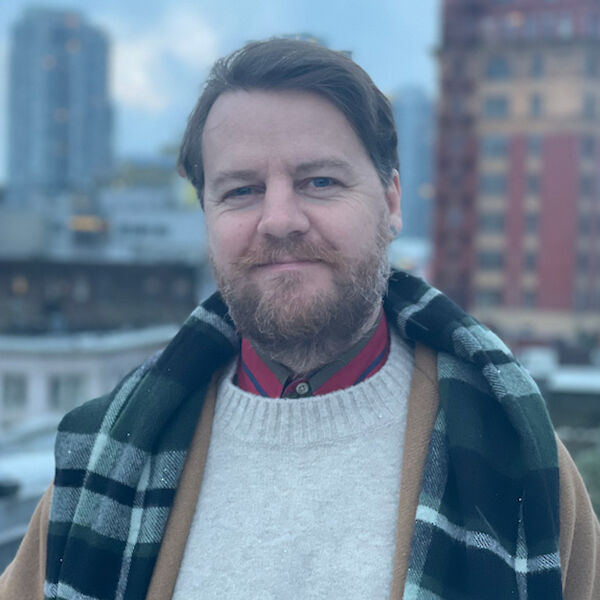
What is your position on gas hookups for new buildings?
I vehemently opposed and asked the mayor if he believes in anthropogenic climate change to which he was unable to answer and could only mention conversation around kitchen tables about affordability. The idea that fracked methane is an affordable choice not only ignores the long term social costs of climate change but Fortis' own projections on pricing, in fact, Green Energy Canada found that individual B.C. households using a heat pump can save about $160 annually compared to natural gas water heating.
Will you vote to restore full funding for the Sustainability Office? In your view, what is the role of the Sustainability Office?
Yes, although we have no line by line item on the budget to really know how much it was defunded. The city described it as departmental reorganization but others have noted that this is largely spin. That's why I moved a motion calling for more budget transparency and to find out which departments were hit and by how much. Vancouver is on track to fail its commitment to reduce emissions, including its goal to reduce them by 50 per cent by 2030 and our sustainability department is integral to reversing that trend. We were seen as a world leader, especially in urban climate adaptation and green building standards. The department's Climate Emergency Action Plan looks at cutting emissions in buildings, transportation, land-use planning, waste and infrastructure and works across departments to achieve their targets. More importantly however, these are people with decades of practical knowledge, innovative approaches, and institutional memory that are pivotal to putting Vancouver back on the map.
What is your view on a moratorium on AI data centres, given the natural resources they require?
I would support a moratorium. I supported Councillor Maloney's motion titled “Addressing the Risks of Digital Infrastructure" which looked at clear regulations and impact assessments for data centres and I have participated in COPE's Town Hall on AI organized by council candidate Solomon Yi-Kieran. We have a solid commitment on this in our platform and was informed by research from council candidate and climate researcher Dr. Deyvani Singh.
Given the “controversy” of the Villages Plan, how do you envision accommodating the population growth of the City while dealing with the impacts of climate change?
The controversy stemmed largely from ABC's emergency motion, pushing staff to expedite the planning while some residents were left feeling unconsulted. I believe most Vancouverites are in support of gentle density and infill that was the impetus behind the plan, however if tenants in secondary suites aren't protected then we really aren't accommodating population growth. Vacancy rates in brand new builds are 6x higher than they are in older, more affordable stock. This is why we need a massive outbuild of non-market and co-op housing on city owned land. COPE will bring together a portfolio of undeveloped public, co-op and non-profit sites which have been stalled due to funding or other limitations, and eliminate fees and taxes, negotiate low-interest loans, senior government funding, and pursue other means to reduce building costs and secure affordable housing. COPE will eliminate needless fines and mandatory housing fee levels on co-ops on city land. We will protect “naturally occurring affordable housing” from gentrification and redevelopment, alongside working to extend the leases of and plan future growth together with existing co-ops and non-profits. Climate, housing, and affordability- have often been treated as isolated issues in terms of policy. However, they all share the same cause: corporate and developer greed.
What is your plan to create climate safeguards for all of Vancouver’s inhabitants, including the unhoused population?
First, we need to reverse the cruel pause on supportive housing. We absolutely must refurbish Vancouver's again SRO stock with new climate friendly solutions, unfortunately this is also made harder by the massive land rush created by rezoning the DTES, where land values had remained suppressed. Our homeless crisis is deeply linked to public health, economic conditions, and social well-being and can't be treated in isolation. I was happy to support grants to the SRO Collaborative to ensure at least one cooling room in these old buildings as well as the aforementioned motion on the right to cool. This council even voted against fully funding cooling kits for residents in the DTES because the cruelty, apparently, is the point. We also need to reform the city's extreme weather response that provides for an entire season, not just ad hoc reactions. We need to commit to providing day-time sheltering and third spaces, and was proud to support Fry's motion on this. Fully funding our social safety net and community centres so that seniors, who made up a large part of the casualties in the heat dome, have a place to cool down. Helping non profits like Yarrow, who Sim to bridge the intergenerational divide in the Chinese community, could be scaled up. I also want climate safeguards built into how we design the city: more trees and green space, better protection from extreme heat, resilient buildings, and neighbourhood-level emergency plans.