
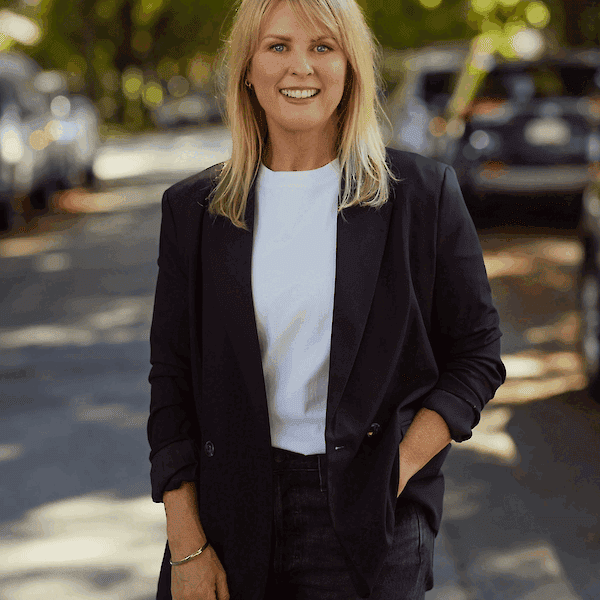
Rebecca Bligh
About
Policy commitments
We all want healthy, affordable, and comfortable homes. These policies will help to lower energy bills, cut pollution, and improve indoor air quality.
Our community is already experiencing the harmful impacts of climate change caused by fossil fuel pollution, and taxpayers are on the hook to upgrade and repair critical infrastructure.
The air we breathe, the water we drink, and the food we eat all rely on healthy ecosystems. Nature can also help protect our community from extreme weather by controlling floods, protecting shorelines, and cooling neighbourhoods. Access to nature improves the health and well-being of residents, and supports biodiversity.
We envision vibrant, walkable communities that protect nature and improve food security.
Connecting neighbourhoods through public transit and active transportation networks will cut pollution, improve public health, and make our communities more affordable (and fun!).
Zero waste policies reduce pollution, keep waste out of landfills, build resilient local economies, and safeguard public health by shifting society away from a disposable culture toward a sustainable circular economy.
Climate action
The clearest example is buildings. I cast the deciding vote to block the return of methane gas in new construction, and I voted against allowing natural gas for space heating and hot water in new builds. Vancouver has to keep moving toward lower-carbon buildings, and we can do that in a way that's practical and protects affordability.
On transportation, I brought forward a motion to explore more sustainable passenger-ferry options for Vancouver, including a potential electric ferry service, because people deserve clean, convenient choices that also reduce congestion and emissions.
And at the national level, as president of the Federation of Canadian Municipalities from 2024 to 2026, I advocated for the investments and tools communities need to respond to climate change. I supported work through the Green Municipal Fund to help municipalities prepare for extreme heat, flooding, wildfires, and other climate risks.
I believe climate action works best when it's practical, measurable, and connected to residents' everyday lives. As mayor, I'll keep cutting emissions, expanding sustainable transportation, improving the energy performance of our buildings, and making Vancouver more resilient to a changing climate.
Questions for Vancouver
I've consistently backed lower-carbon building standards and the shift to cleaner alternatives like electric heating and heat pumps, and I'll keep doing that as mayor.
But climate policy only works if people can afford to follow it. Vancouver needs more housing, so my approach is to set strong standards and give builders and residents practical pathways to meet them, so we cut emissions without pricing people out of homes.
The office should be the city's engine for climate action. That means setting clear targets, reporting publicly on progress, and helping departments cut emissions in buildings, transportation, and city operations. It should also support implementation of the Energize Vancouver by-law, which I will vote to unpause. Vancouver needs a plan for retrofitting buildings, and the Sustainability Office is the natural home for helping property owners and city staff make it work.
I was proud to work with the federal government through FCM on the Responsible Data Centre Development Principles. That's a starting point, but it will take regulation at all three levels of government to prevent negative impacts on people.
These projects have real implications for our electricity system, our water use, our neighbourhoods, and our environment. Vancouver needs to understand those impacts before it approves anything, so every proposal gets evaluated on its merits against strong standards.
If Vancouver is going to host this infrastructure, projects must meet high environmental standards, demonstrate leading energy efficiency, recover waste heat where feasible, protect surrounding neighbourhoods, and deliver clear public benefits. Residents and First Nations must have a meaningful say in decisions that affect their communities.
Innovation and livability have to go hand in hand. Any AI data centre built here should be responsible, transparent, and compatible with our environmental goals and the people who live here.
It applied the same template to all 17 villages, without recognizing that each neighbourhood has its own character and its own needs. That's a big part of why it generated so much controversy, and it's a lesson we have to take seriously.
As mayor, I'll consult with each neighbourhood individually to decide how its village can grow to support a larger population, while accounting for the impact on current residents, the environment, and local public services.
Growth and climate action can work together. Vertical density is more environmentally friendly than sprawling single-family neighbourhoods that consume far more land, and building sustainable, energy-conscious homes is a core part of fighting climate change. At Vote Vancouver, we'll make sure every new development is within reasonable distance of a park, and that we maintain 30 percent tree canopy across the entire city while we keep building homes for the people who need them.
So the concept is sound. The execution wasn't. My job is to get it right, neighbourhood by neighbourhood.
My plan starts with the places people already rely on. I'll invest in our community centres, pools, and libraries and commit to extended hours during extreme heat and poor air quality, so everyone has a safe, accessible place to go. I'll expand year-round cooling and warming centres, hydration stations, and emergency shelter capacity, and I'll fund Downtown Eastside peer-led networks who already reach people the city doesn't.
Then there's the ground we're standing on. Vote Vancouver has committed to maintaining 30 percent tree canopy and planting equitably. Some of our poorest neighbourhoods sit below that line today, which means they feel extreme heat harder. I'll work with the Park Board to make sure every neighbourhood reaches at least 30 percent.
Finally, the most effective climate protection is a home. I've advocated for reversing the ban on supportive housing and I'll keep at it until everyone in Vancouver has a safe place to live. That takes federal investment, and I know how to get it.
Campaign contributions
Public records from Elections BC — 25 contributions totalling $25,050.00.
2022 GENERAL LOCAL ELECTIONS
25 contributions · $25,050.00
| Contributor | Date | Amount | Office | Jurisdiction |
|---|---|---|---|---|
| EVAN ALLEGRETTO | Nov 15, 2021 | $1,200.00 | COUNCILLOR | VANCOUVER |
| KYRIAKOS BONNIS | Dec 31, 2021 | $1,200.00 | COUNCILLOR | VANCOUVER |
| DALE BOSA | May 13, 2022 | $1,236.16 | COUNCILLOR | VANCOUVER |
| DALE BOSA | Nov 10, 2021 | $1,200.00 | COUNCILLOR | VANCOUVER |
| STEPHANIE DONG | Nov 25, 2021 | $1,200.00 | COUNCILLOR | VANCOUVER |
| PETER EDGAR | Nov 9, 2021 | $1,200.00 | COUNCILLOR | VANCOUVER |
| DONALD FORSGREN | Oct 28, 2021 | $1,200.00 | COUNCILLOR | VANCOUVER |
| JOHN GEDDES | Dec 18, 2020 | $550.00 | COUNCILLOR | VANCOUVER |
| IAN GILLIESPIE | Nov 25, 2021 | $1,200.00 | COUNCILLOR | VANCOUVER |
| ROUXUE GUO | Sep 13, 2022 | $1,250.00 | COUNCILLOR | VANCOUVER |
| MIKE JAGGER | Dec 7, 2021 | $1,229.28 | COUNCILLOR | VANCOUVER |
| MICHAEL JAGGER | Dec 16, 2020 | $1,200.00 | COUNCILLOR | VANCOUVER |
| BRUCE JAGGER | Dec 18, 2020 | $200.00 | COUNCILLOR | VANCOUVER |
| YAN LIN SAMUEL LU | Nov 5, 2021 | $400.00 | COUNCILLOR | VANCOUVER |
| MICHAEL MACKAY | Nov 5, 2021 | $1,200.00 | COUNCILLOR | VANCOUVER |
| GURDEEP POONI | Nov 23, 2021 | $1,234.56 | COUNCILLOR | VANCOUVER |
| EHREN RICHARDSON | Apr 4, 2022 | $500.00 | COUNCILLOR | VANCOUVER |
| XULING SHEN | Sep 13, 2022 | $1,250.00 | COUNCILLOR | VANCOUVER |
| DALE STEEVES | Dec 31, 2021 | $100.00 | COUNCILLOR | VANCOUVER |
| ALI TEHRANI | Nov 5, 2021 | $1,200.00 | COUNCILLOR | VANCOUVER |
| BILL TIELEMAN | Jan 1, 2022 | $200.00 | COUNCILLOR | VANCOUVER |
| BROOKE WADE | Oct 2, 2022 | $1,250.00 | COUNCILLOR | VANCOUVER |
| LILI WANG | Sep 16, 2022 | $1,250.00 | COUNCILLOR | VANCOUVER |
| RICHARD WITTSTOCK | Dec 18, 2021 | $1,200.00 | COUNCILLOR | VANCOUVER |
| TODD YUEN | Oct 29, 2021 | $1,200.00 | COUNCILLOR | VANCOUVER |
Compiled & presented by

Vote4Tomorrow is an independent voter guide to evaluate where local candidates stand on climate and environmental policies that will affect our future.