
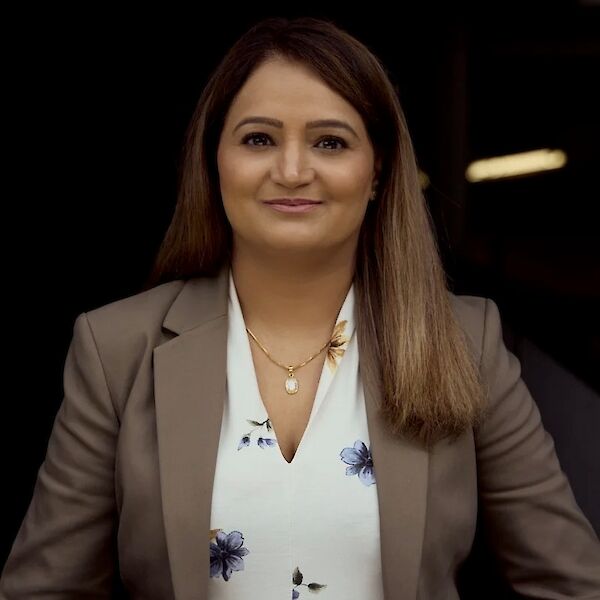
Preeti Faridkot

Preeti Faridkot

School Board · Vancouver
SUNSET 18 yrs

About

I’m Preeti Faridkot, a proud mom of three, IT professional, community advocate, and Vancouver School Board Trustee. I’m passionate about student safety, strong public education, and ensuring every student and family has a voice.

Policy commitments

Buildings

We all want healthy, affordable, and comfortable homes. These policies will help to lower energy bills, cut pollution, and improve indoor air quality.

✓ Support electrification of new buildings. Supportive
✓ Incentivize electric heat pumps and air filtration systems. Supportive
✓ Scale up energy retrofits for existing homes, businesses, and public buildings. Supportive
✓ Implement a 'right to cool' bylaw to protect tenants during extreme heat events. Supportive
Climate Justice

Our community is already experiencing the harmful impacts of climate change caused by fossil fuel pollution, and taxpayers are on the hook to upgrade and repair critical infrastructure.

✓ Pursue available legal options to recover a fair share of the climate costs facing our community from fossil fuel companies and other big polluters. Supportive
✓ Collaborate with Indigenous peoples as partners in the stewardship of the land, air, and water, and work towards reconciliation. Supportive
Ecosystems

The air we breathe, the water we drink, and the food we eat all rely on healthy ecosystems. Nature can also help protect our community from extreme weather by controlling floods, protecting shorelines, and cooling neighbourhoods. Access to nature improves the health and well-being of residents, and supports biodiversity.

✓ Expand and protect tree canopy, parks, and green infrastructure to cool neighbourhoods, clean air, and manage stormwater. Supportive
✓ Prioritize native tree planting in all areas, especially those with low tree cover, higher population densities, and more vulnerable residents. Supportive
✓ Create connected urban greenways for people and wildlife. Supportive
Land Use

We envision vibrant, walkable communities that protect nature and improve food security.

✓ Build affordable homes near jobs, schools, shops, and transit. Supportive
✓ Upgrade critical infrastructure for heat, fire, flood, and storm resilience. Supportive
✓ Increase food security by supporting local agriculture and community gardens. Supportive
Transport

Connecting neighbourhoods through public transit and active transportation networks will cut pollution, improve public health, and make our communities more affordable (and fun!).

✓ Deliver reliable, frequent, affordable local transit. Supportive
✓ Advocate to improve regional public transit between communities. Supportive
✓ Build bike and roll networks that are safe for everyone. Supportive
Zero Waste

Zero waste policies reduce pollution, keep waste out of landfills, build resilient local economies, and safeguard public health by shifting society away from a disposable culture toward a sustainable circular economy.

✓ Support the development of a circular economy to eliminate waste and improve resilience. Supportive
✓ Implement bylaws to eliminate waste from new buildings, renovation, and demolition projects and to use existing buildings as efficiently as possible. Supportive
✓ Supportive
~ Neutral
× Opposed
– No response

Climate action

How have you contributed to climate action in your community through advocacy, past work, advisory committees, volunteer work, and/or reducing your personal carbon footprint?
As a Vancouver School Board Trustee, I’ve supported the work being done to make our schools greener and more sustainable. Over the past few years, we have also put additional funding toward sustainability learning in our schools, giving students at different grade levels opportunities to learn about sustainability and share and present what they have learned.

For me, climate action doesn’t always have to mean big changes overnight. It’s also about the everyday decisions we make — reducing waste, improving energy efficiency, and making it easier and safer for students and families to walk, bike or take transit.

I believe education is one of the most important parts of this work. Our students care deeply about their future, and when we give them the opportunity to learn about climate change and sustainability from an early age, they can become part of the solution.

Personally, I try to do my part by walking when I can, reducing waste and being mindful of what I use and consume.

There is always more we can do, and I want to continue supporting practical climate action while giving our students the knowledge and opportunities to help build a more sustainable future.

Questions for Vancouver

What is your position on gas hookups for new buildings?
I support moving toward cleaner energy and reducing emissions, but we also have to be realistic about affordability. Vancouver is already an expensive place to live, and I don’t want policies that make housing even more costly for families.

I support cleaner, energy-efficient buildings and a responsible transition away from fossil fuels, but that transition must be practical, reliable and affordable. Climate action and affordability should not be competing priorities. We need solutions that reduce emissions without adding unnecessary costs to building new homes or passing those costs on to residents.
Will you vote to restore full funding for the Sustainability Office? In your view, what is the role of the Sustainability Office?
I believe the Sustainability Office plays an important role in helping our schools become greener, reduce energy use and waste, and support climate education for our students.

I would support funding the office, but I also have to be responsible with the limited dollars we receive. Every budget decision has an impact somewhere. I will always look at how we can support sustainability while protecting classroom resources and direct supports for students. For me, it’s about finding the right balance and making sure the funding we invest is actually making a difference.
What is your view on a moratorium on AI data centres, given the natural resources they require?
I do have concerns about how much energy and water AI data centres can use, and I think we need to pay attention to that as AI continues to grow. Working in IT, I also understand that technology is not going away, so I don’t think simply stopping development is the answer. I would rather see strong environmental standards and accountability around energy and water use. We should be able to embrace new technology without putting unnecessary pressure on our natural resources.
Given the “controversy” of the Villages Plan, how do you envision accommodating the population growth of the City while dealing with the impacts of climate change?
Vancouver is growing, and we need more housing, but we also need to make sure we are planning properly for that growth. It’s not just about adding homes. We need schools, childcare, parks, transit and community spaces to grow along with our neighbourhoods.

As a School Board Trustee, this is especially important to me because I see what happens when new communities are built without enough school space for the families moving in.

I also believe good planning can help us address climate change. If people can live closer to where they work, shop and access services, with good transit and safe walking and cycling options, we can reduce our reliance on cars.

For me, it’s about balance — building the housing Vancouver needs while making sure our communities remain affordable, sustainable and great places to raise a family.
What is your plan to create climate safeguards for all of Vancouver’s inhabitants, including the unhoused population?
Climate change affects all of us, but some people are much more vulnerable, especially those who are unhoused, seniors and children. During extreme heat, wildfire smoke or severe weather, everyone should have somewhere safe to go.

I support having more cooling and clean-air spaces, access to drinking water, shade and emergency supports throughout the city. We also need to make sure people know where to get help when they need it.

For me, this is about taking care of people. Whether someone has a home or not, everyone deserves to be safe during extreme weather. As a School Board Trustee, I also want to make sure our schools are prepared and remain safe and healthy places for our students and staff.

Compiled & presented by

Authorized by Doctors for Planetary Health - West Coast, registered sponsor under LECFA, doctors4planetaryhealth@gmail.com


Vote4Tomorrow is an independent voter guide to evaluate where local candidates stand on climate and environmental policies that will affect our future.

© 2026 Vote4Tomorrow