
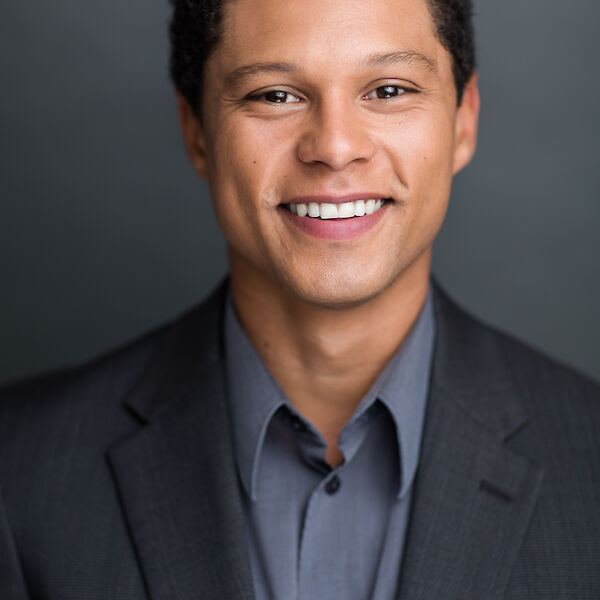
Parris J. Williams

Parris J. Williams

Council · Vancouver
Fraserhood 4 yrs

About

Parris J. Williams has called Vancouver home since 2022. Parris wants to focus on rebuilding communities, through supportive long term housing. He is also passionate about bridging the gap from the skytrain, busses/cars, and electric bikes/scooters.

Policy commitments

Buildings

We all want healthy, affordable, and comfortable homes. These policies will help to lower energy bills, cut pollution, and improve indoor air quality.

✓ Support electrification of new buildings. Supportive
✓ Incentivize electric heat pumps and air filtration systems. Supportive
✓ Scale up energy retrofits for existing homes, businesses, and public buildings. Supportive
✓ Implement a 'right to cool' bylaw to protect tenants during extreme heat events. Supportive
Climate Justice

Our community is already experiencing the harmful impacts of climate change caused by fossil fuel pollution, and taxpayers are on the hook to upgrade and repair critical infrastructure.

✓ Pursue available legal options to recover a fair share of the climate costs facing our community from fossil fuel companies and other big polluters. Supportive
✓ Collaborate with Indigenous peoples as partners in the stewardship of the land, air, and water, and work towards reconciliation. Supportive
Ecosystems

The air we breathe, the water we drink, and the food we eat all rely on healthy ecosystems. Nature can also help protect our community from extreme weather by controlling floods, protecting shorelines, and cooling neighbourhoods. Access to nature improves the health and well-being of residents, and supports biodiversity.

✓ Expand and protect tree canopy, parks, and green infrastructure to cool neighbourhoods, clean air, and manage stormwater. Supportive
✓ Prioritize native tree planting in all areas, especially those with low tree cover, higher population densities, and more vulnerable residents. Supportive
✓ Create connected urban greenways for people and wildlife. Supportive
Land Use

We envision vibrant, walkable communities that protect nature and improve food security.

✓ Build affordable homes near jobs, schools, shops, and transit. Supportive
✓ Upgrade critical infrastructure for heat, fire, flood, and storm resilience. Supportive
✓ Increase food security by supporting local agriculture and community gardens. Supportive
Transport

Connecting neighbourhoods through public transit and active transportation networks will cut pollution, improve public health, and make our communities more affordable (and fun!).

✓ Deliver reliable, frequent, affordable local transit. Supportive
✓ Advocate to improve regional public transit between communities. Supportive
✓ Build bike and roll networks that are safe for everyone. Supportive
Zero Waste

Zero waste policies reduce pollution, keep waste out of landfills, build resilient local economies, and safeguard public health by shifting society away from a disposable culture toward a sustainable circular economy.

~ Support the development of a circular economy to eliminate waste and improve resilience. Neutral
~ Implement bylaws to eliminate waste from new buildings, renovation, and demolition projects and to use existing buildings as efficiently as possible. Neutral
✓ Supportive
~ Neutral
× Opposed
– No response

Climate action

How have you contributed to climate action in your community through advocacy, past work, advisory committees, volunteer work, and/or reducing your personal carbon footprint?
Like many people in our community, I do my part to reduce my environmental impact by recycling properly and taking public transit whenever possible. Before moving to Vancouver, I volunteered in Burnaby as a street cleaner, helping keep public spaces clean and well maintained.

Since moving to Vancouver, my community volunteer work has included participating in the City’s catch basin program. I recognize that I have not been heavily involved in climate focused advocacy or volunteer organizations to date, and I believe there is an opportunity for me to become more involved. I see climate action as something that happens not only through large policies, but also through the everyday choices we make and the way we care for our neighbourhoods.

Questions for Vancouver

What is your position on gas hookups for new buildings?
I believe diversity in housing is important, and I also recognize that the way we heat and power our buildings is changing as communities transition toward electrification. Personally, I do not have a strong preference regarding gas hookups for new buildings at this time. I would want to consider the available evidence around affordability, energy reliability, emissions, and the needs of different types of housing before taking a definitive position. I believe residents deserve a practical, evidence based approach to this issue.
Will you vote to restore full funding for the Sustainability Office? In your view, what is the role of the Sustainability Office?
I would be interested in looking into this further. At this time, I cannot say that I would vote to restore full funding because I am not yet aware of the costs involved or the measurable outcomes associated with that funding.

In my view, the Sustainability Office should help the City develop practical, evidence based approaches to environmental sustainability and climate action, while providing research, coordination, and accountability for the City's goals. Before committing to a specific level of funding, I would want to better understand what the office currently provides, what additional funding would accomplish, and how those costs compare with the outcomes for Vancouver residents.
What is your view on a moratorium on AI data centres, given the natural resources they require?
I fully support a moratorium on AI data centres. The rapid growth of AI has happened in a relatively short period of time, and we are still learning about its long-term impacts and the natural resources required to support these facilities.

Before allowing AI data centres to expand into our communities, I believe we should take the time to better understand their impacts on electricity and water consumption, infrastructure, the environment, and surrounding neighbourhoods. A moratorium would provide an opportunity to study these issues, establish appropriate standards, and make informed decisions about how and where these facilities should be developed in the future.
Given the “controversy” of the Villages Plan, how do you envision accommodating the population growth of the City while dealing with the impacts of climate change?
I love the neighbourhood that I live in. The Fraserhood offers a wide variety of things within a relatively small area, including shops, cafés, retail, groceries, condos, houses, and townhomes. It is a highly walkable neighbourhood and is also close to South Main, which offers another strong mix of amenities.

As our population grows, I believe we should build on what already works in neighbourhoods like this: creating communities where people can live, access services, and get around efficiently without always relying on a car.

One idea I would like to explore is a Personal Electric Vehicle (PEV) Network: an interconnected network of dedicated paths for bicycles, e-scooters, and other personal electric vehicles. This would provide people with safe and efficient alternatives to travelling on roads while helping reduce conflicts between different types of transportation. These routes could connect neighbourhoods with transit hubs, community centres, schools, and other important destinations.

By making it easier and safer for people to choose active and electric transportation, we can accommodate a growing population while reducing traffic and transportation related emissions. This is just one step toward building a city that meets the needs of residents today while preparing for the challenges of tomorrow.
What is your plan to create climate safeguards for all of Vancouver’s inhabitants, including the unhoused population?
My immediate priority would be ensuring that Vancouver has enough emergency shelter and warming spaces during the fall and winter months, when cold weather can become especially dangerous for people experiencing homelessness. I would advocate for temporary additional shelter capacity during these crucial months, while recognizing that temporary measures are only one step toward addressing the larger housing crisis.

I also support making public facilities such as libraries and community centres available as safe spaces during extreme weather, building on the role these facilities already play in providing accessible places for residents to escape dangerous temperatures.

For people experiencing homelessness who are dealing with mental health or addiction challenges, I would also like to see more shelter and supportive housing options located close to hospitals, clinics, and other health services. Climate safeguards need to account for the different circumstances of Vancouver's residents and ensure that people who are most vulnerable have access to safety, shelter, and appropriate support when they need it most.

Compiled & presented by

Authorized by Doctors for Planetary Health - West Coast, registered sponsor under LECFA, doctors4planetaryhealth@gmail.com


Vote4Tomorrow is an independent voter guide to evaluate where local candidates stand on climate and environmental policies that will affect our future.

© 2026 Vote4Tomorrow