
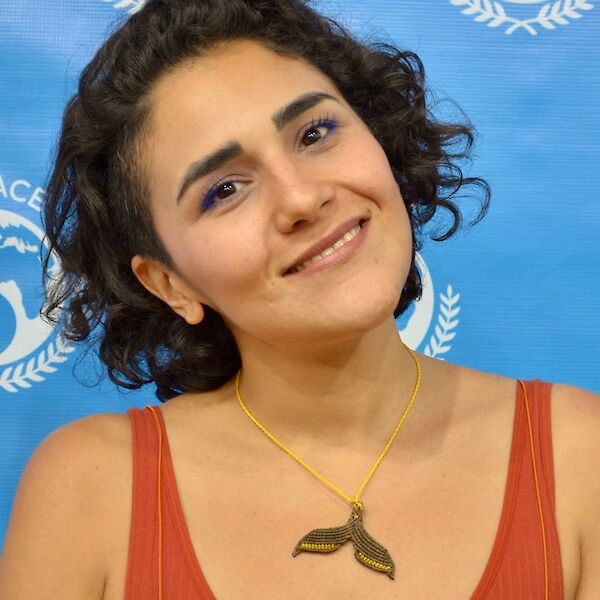
Niknaz Alemi
About
Policy commitments
We all want healthy, affordable, and comfortable homes. These policies will help to lower energy bills, cut pollution, and improve indoor air quality.
Our community is already experiencing the harmful impacts of climate change caused by fossil fuel pollution, and taxpayers are on the hook to upgrade and repair critical infrastructure.
The air we breathe, the water we drink, and the food we eat all rely on healthy ecosystems. Nature can also help protect our community from extreme weather by controlling floods, protecting shorelines, and cooling neighbourhoods. Access to nature improves the health and well-being of residents, and supports biodiversity.
We envision vibrant, walkable communities that protect nature and improve food security.
Connecting neighbourhoods through public transit and active transportation networks will cut pollution, improve public health, and make our communities more affordable (and fun!).
Zero waste policies reduce pollution, keep waste out of landfills, build resilient local economies, and safeguard public health by shifting society away from a disposable culture toward a sustainable circular economy.
Climate action
Personally, I don't eat meat, avoid fast fashion, buy second hand whenever possible, and limit driving, using an electric vehicle when I do drive. I believe individual action matters, but meaningful climate action also requires larger policy and systemic change.
Questions for Vancouver
I support an evidence based transition toward efficient electric systems such as heat pumps, while making sure implementation considers affordability and reliability.
On the mitigation side, that means greener construction, clean energy, electrification, energy efficiency, green technologies, active transportation and more walkable neighbourhoods. On the adaptation side, it means protecting and expanding tree canopy, parks and green infrastructure, and making sure our buildings and public infrastructure can better respond to heat, flooding and other climate impacts.
Growth is necessary, but we should use it as an opportunity to build a greener, more resilient city rather than trying to address the environmental impacts afterwards.
That means expanding tree canopy and shade, especially in hotter and lower canopy neighbourhoods, improving access to drinking water in parks, designing parks with more climate resilient landscapes and green infrastructure, and making recreation facilities available as accessible spaces during extreme heat and wildfire smoke where appropriate. I would also make sure we consider people who are unhoused when designing these responses. Access to shade, water and public spaces becomes even more important when you don't have a safe indoor place to go. Beyond the Park Board's authority, I would advocate for strong coordination with the City and other levels of government. Climate adaptation is a shared responsibility, and the Park Board should be an active partner in that work.
Compiled & presented by

Vote4Tomorrow is an independent voter guide to evaluate where local candidates stand on climate and environmental policies that will affect our future.