
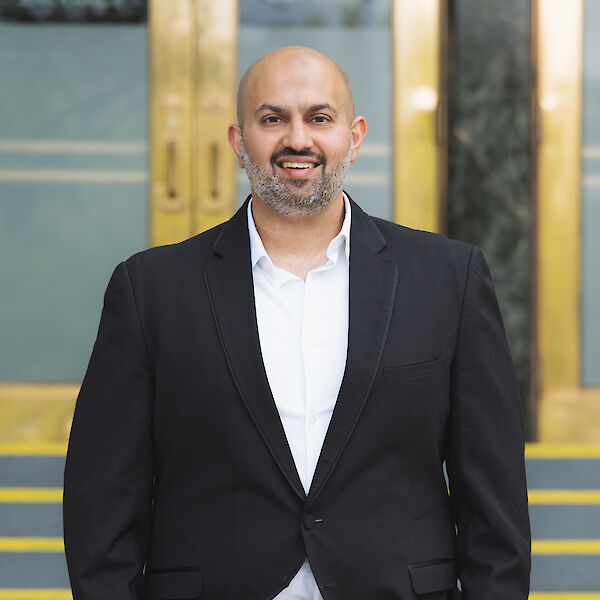
Muhammad Ahmad
About
Policy commitments
We all want healthy, affordable, and comfortable homes. These policies will help to lower energy bills, cut pollution, and improve indoor air quality.
Our community is already experiencing the harmful impacts of climate change caused by fossil fuel pollution, and taxpayers are on the hook to upgrade and repair critical infrastructure.
The air we breathe, the water we drink, and the food we eat all rely on healthy ecosystems. Nature can also help protect our community from extreme weather by controlling floods, protecting shorelines, and cooling neighbourhoods. Access to nature improves the health and well-being of residents, and supports biodiversity.
We envision vibrant, walkable communities that protect nature and improve food security.
Connecting neighbourhoods through public transit and active transportation networks will cut pollution, improve public health, and make our communities more affordable (and fun!).
Zero waste policies reduce pollution, keep waste out of landfills, build resilient local economies, and safeguard public health by shifting society away from a disposable culture toward a sustainable circular economy.
Climate action
As a mayoral candidate, I have put forward plans to plant 50,000 trees, expand rooftop greenery, strengthen neighbourhood resilience and make public transit more accessible and affordable. I have also taken part in climate-focused community events and spoken directly with advocates about what a healthier, climate-safe Vancouver should look like.
Our platform supports housing near transit, energy-efficient public buildings, stronger tree cover, community food security and infrastructure that can handle extreme heat, flooding, wildfire smoke and severe storms. Climate policy also has to include renters, seniors, low-income residents, newcomers, Indigenous communities and people without stable housing.
Climate action should be something people can actually see and feel. Cleaner air, cooler homes, lower energy bills, safer streets, better transit, more trees and public spaces that keep people safe during extreme weather. We cannot treat climate action as a list of distant targets. It needs to become practical protection at the neighbourhood level.
Questions for Vancouver
The transition still has to be practical and affordable. City policy should not simply add costs that get passed on to renters, homeowners, small businesses or nonprofit housing providers. Vancouver should pair stronger building standards with incentives, technical support, workforce training and support for affordable housing.
I would support limited exemptions where they are technically necessary, particularly for emergency resilience, essential services or situations where a safe and reliable electric alternative is not yet available. Those exemptions should be transparent and reviewed regularly.
The goal is to stop locking new buildings into outdated fossil fuel systems while making sure the transition gives people reliable, comfortable and affordable homes.
Its role should be about more than producing plans. The office should coordinate climate action across housing, transportation, engineering, parks, emergency management, procurement and land-use decisions. It should track emissions and climate risks, pursue funding from senior governments, support community-led initiatives and make sure major City decisions consider both environmental and equity impacts.
The office should also help Vancouver prepare for extreme heat, wildfire smoke, flooding, storms and other climate emergencies. That work needs to focus on the neighbourhoods and people facing the greatest risks, including seniors, renters, low-income households, Indigenous residents, people with disabilities and unhoused residents.
Residents deserve to know what was promised, what was delivered, what emissions were reduced and how public money was spent. A properly funded Sustainability Office should be responsible for turning climate plans into action and making sure the City is accountable for the results.
Vancouver’s resources should come first for the people who live here. That means housing, hospitals, transit, small businesses and the services people rely on every day.
I support a moratorium on new large scale AI data centres until the City has clear rules around electricity and water use, emissions, noise, land use and the impact on our infrastructure. If a company wants to build here, it should have to show exactly what resources it will use and what Vancouver gets in return.
At the same time, I want Vancouver residents to benefit from the growth of technology. That means investing in training and skills, including through organizations like Arora Skill Academy, so young people and newcomers have a real opportunity to build careers in technology and the skilled trades.
AI should work for people. Vancouver should not give up housing, resources or infrastructure just to make it easier for large technology companies to operate here.
I support well-planned density, including missing-middle housing, cooperatives, purpose-built rentals, nonprofit housing and family-sized homes. Density should not mean replacing affordable homes with smaller, more expensive units or allowing land speculation to determine the future of our city.
Infrastructure needs to be part of the conversation from the beginning. That means transit, sewers, water systems, childcare, schools, community facilities, accessible public spaces, tree canopy and emergency services.
Residents also need a meaningful say in how their neighbourhoods change. Consultation should be genuine and accessible, but it cannot become a permanent veto on new housing. We do not have to choose between growth and climate action. Well-planned, complete communities can help us address both.
For unhoused residents, these protections need to work where people actually are. That means street outreach, transportation to safe indoor spaces, cooling and warming facilities that can accommodate belongings and pets, public washrooms, drinking water stations, shade structures, smoke protection and non-police wellness checks. During dangerous weather, responses to encampments should never separate people from the equipment and belongings they rely on to survive.
We should map neighbourhood-level vulnerability and prioritize seniors, children, people with disabilities, low-income renters and communities with less tree cover. We also need to keep expanding supportive and deeply affordable housing because the strongest climate protection is a safe and stable home.
Compiled & presented by

Vote4Tomorrow is an independent voter guide to evaluate where local candidates stand on climate and environmental policies that will affect our future.