
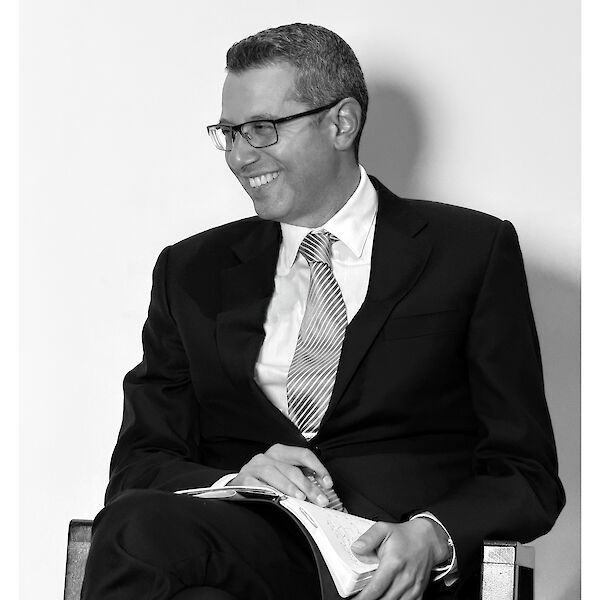
Kareem Allam
About
Policy commitments
We all want healthy, affordable, and comfortable homes. These policies will help to lower energy bills, cut pollution, and improve indoor air quality.
Our community is already experiencing the harmful impacts of climate change caused by fossil fuel pollution, and taxpayers are on the hook to upgrade and repair critical infrastructure.
The air we breathe, the water we drink, and the food we eat all rely on healthy ecosystems. Nature can also help protect our community from extreme weather by controlling floods, protecting shorelines, and cooling neighbourhoods. Access to nature improves the health and well-being of residents, and supports biodiversity.
We envision vibrant, walkable communities that protect nature and improve food security.
Connecting neighbourhoods through public transit and active transportation networks will cut pollution, improve public health, and make our communities more affordable (and fun!).
Zero waste policies reduce pollution, keep waste out of landfills, build resilient local economies, and safeguard public health by shifting society away from a disposable culture toward a sustainable circular economy.
Climate action
Much of my career has been spent working with First Nations, most recently on the advisory board of the University of Victoria's National Consortium for Indigenous Economic Development. Indigenous communities have cared for this land for thousands of years, and climate policy works best when they are partners in it from the start.
On this campaign I have pushed for climate action that also makes the city more affordable. I have called for keeping AI data centres out of Vancouver, so our land and power go to homes instead of server halls. I have argued for BC wood frame and prefabricated construction, which builds homes faster with far less embodied carbon than concrete. Heat pump retrofits should reach seniors' buildings, co-ops and social housing first, since the people living there are most exposed when the next heat wave hits.
My time on the boards of Fraser Health and the Overdose Prevention Society in the Downtown Eastside made clear who pays first when extreme heat and wildfire smoke arrive. It is the people with the fewest options, and they are who climate policy in this city should protect first.
Questions for Vancouver
Many families in this city cook in traditions that depend on high, open heat, and some use flame in religious and cultural practice at home. Government should not take that choice away from them. We would keep gas hookups for cooking available in new buildings for any household that wants one, paired with proper range hood ventilation so indoor air stays healthy.
Heating is where the emissions are. Burning gas for space and water heating is the largest source of carbon pollution in Vancouver, and a heat pump does that job cleanly while also cooling a home during a heat wave. City staff have told Council that allowing gas heating would not make new housing cheaper or faster to approve.
Council has reversed itself on gas heating three times since 2024, and each reversal costs builders money when systems designed for one rule have to be redesigned for the next. We would set one clear standard for heat and hot water, aligned with the direction the Province has set for all of BC, and hold it.
For existing buildings, the priority is retrofits, starting with rental, co-op and social housing where tenants have the least control over their own heat.
The work is practical. Vancouver has Canada's first bylaw capping emissions from large existing buildings, and someone has to run it. Retrofit programs that put heat pumps into rental buildings need staff to design and deliver them, and those heat pumps cut emissions while keeping tenants alive in a heat wave. Planning for extreme heat, wildfire smoke and flooding sits with this office too. So does chasing provincial and federal climate money, which Vancouver cannot collect if nobody at City Hall writes the applications.
I would rebuild it with a narrower brief than before, focused on delivery over strategy documents. Retrofit dollars should reach social housing, co-ops, SROs and seniors' buildings first, because those residents have the least ability to protect themselves. Every program should report publicly on what it delivered, in tonnes of emissions and in homes retrofitted, so Council can see what the money bought.
People in this city already struggle to afford a place to live. Our land is limited, and every site handed to a server hall is a site that could have held homes. These facilities use huge amounts of electricity and water, and that demand competes with the new housing and electrified buildings Vancouver needs. Households should not see their rates or their housing options squeezed so a data centre can run here.
Canada does need its own AI capacity. Relying on foreign-owned infrastructure for the data of Canadian governments, businesses and residents is a sovereignty problem, and I have said so publicly. The least affordable city in the country is the wrong place to build it.
I would put a clear prohibition into Vancouver's zoning and push the Province to set standards on water, power and community benefits for the places that do host these facilities.
Ken Sim broke the social contract with this plan. It tried to rezone roughly 13,000 lots at once, with no phasing, no committed plan for the schools, parks and pipes new residents would need, and little real conversation with the people who live there. Residents found out what was proposed for their street after the decisions were largely made. That is how you turn people who would welcome new neighbours into opponents.
We would start again from the ground up, with all 22 of Vancouver's neighbourhoods. Families, youth, seniors, renters and owners would each have a seat at the table to plan how their community grows. Every neighbourhood would take on new homes, and each would help decide where they go and what comes with them.
That process would be tied to delivery. Growth would be phased, starting where transit and infrastructure already have room. Each phase would come with the water, sewer and park upgrades it needs, sized for heavier rain and hotter summers. Tree canopy would grow as density does, since the neighbourhoods with the least shade get the hottest. Builders would be able to use BC wood frame and prefabricated panels, which get homes up faster with less embodied carbon than concrete.
My plan starts with buildings. Retrofit dollars and permitting priority should go first to SROs, supportive housing, co-ops and seniors' buildings, where a heat pump provides cooling along with clean heat. Renters need a real right to cool, which requires provincial tenancy changes, and I will press the Province to deliver them. The City can also use its own rental maintenance standards to require cooling where its authority allows.
For people who are unhoused, surviving extreme weather should not depend on where someone happens to be sleeping that night. Cooling and warming centres need to open early, stay open overnight, and be staffed by outreach workers who know the people they serve. Water, shade and clean air during smoke events need to reach people where they are.
Housing is the lasting answer. Our approach to encampments is housing first, then clear and keep cleared, so people move indoors to a place with heat, cooling and clean air instead of being pushed to the next block.
Compiled & presented by

Vote4Tomorrow is an independent voter guide to evaluate where local candidates stand on climate and environmental policies that will affect our future.