
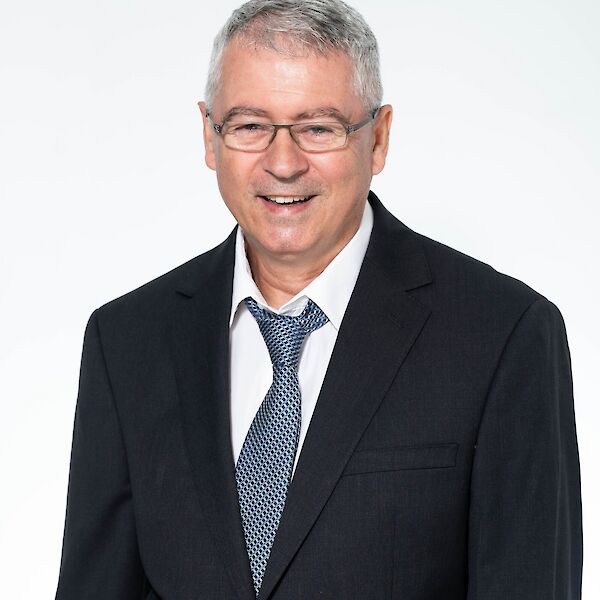
John Irwin

John Irwin

Park Board · Vancouver
Now Kitsilano, West End earlier 31 yrs

About

John's an educator, and an advocate for a more just and sustainable Vancouver. John has a PhD (UBC, 2004) and specializes in sustainable urban development. He is currently a lecturer at Alexander College. Irwin served on the Park Board (2018-2022).

Policy commitments

Buildings

We all want healthy, affordable, and comfortable homes. These policies will help to lower energy bills, cut pollution, and improve indoor air quality.

✓ Support electrification of new buildings. Supportive
✓ Incentivize electric heat pumps and air filtration systems. Supportive
✓ Scale up energy retrofits for existing homes, businesses, and public buildings. Supportive
✓ Implement a 'right to cool' bylaw to protect tenants during extreme heat events. Supportive
Climate Justice

Our community is already experiencing the harmful impacts of climate change caused by fossil fuel pollution, and taxpayers are on the hook to upgrade and repair critical infrastructure.

✓ Pursue available legal options to recover a fair share of the climate costs facing our community from fossil fuel companies and other big polluters. Supportive
✓ Collaborate with Indigenous peoples as partners in the stewardship of the land, air, and water, and work towards reconciliation. Supportive
Ecosystems

The air we breathe, the water we drink, and the food we eat all rely on healthy ecosystems. Nature can also help protect our community from extreme weather by controlling floods, protecting shorelines, and cooling neighbourhoods. Access to nature improves the health and well-being of residents, and supports biodiversity.

✓ Expand and protect tree canopy, parks, and green infrastructure to cool neighbourhoods, clean air, and manage stormwater. Supportive
✓ Prioritize native tree planting in all areas, especially those with low tree cover, higher population densities, and more vulnerable residents. Supportive
✓ Create connected urban greenways for people and wildlife. Supportive
Land Use

We envision vibrant, walkable communities that protect nature and improve food security.

✓ Build affordable homes near jobs, schools, shops, and transit. Supportive
✓ Upgrade critical infrastructure for heat, fire, flood, and storm resilience. Supportive
✓ Increase food security by supporting local agriculture and community gardens. Supportive
Transport

Connecting neighbourhoods through public transit and active transportation networks will cut pollution, improve public health, and make our communities more affordable (and fun!).

✓ Deliver reliable, frequent, affordable local transit. Supportive
✓ Advocate to improve regional public transit between communities. Supportive
✓ Build bike and roll networks that are safe for everyone. Supportive
Zero Waste

Zero waste policies reduce pollution, keep waste out of landfills, build resilient local economies, and safeguard public health by shifting society away from a disposable culture toward a sustainable circular economy.

✓ Support the development of a circular economy to eliminate waste and improve resilience. Supportive
✓ Implement bylaws to eliminate waste from new buildings, renovation, and demolition projects and to use existing buildings as efficiently as possible. Supportive
✓ Supportive
~ Neutral
× Opposed
– No response

Climate action

How have you contributed to climate action in your community through advocacy, past work, advisory committees, volunteer work, and/or reducing your personal carbon footprint?
As a bicycle commuter (human-powered) since 1990, in 1992, I became involved in bicycle advocacy in Edmonton, and helped bicycle activist Tooker Gomberg get elected to City Council. When I moved to Vancouver in 1995, we gave up our car and my family of five (three children) have lived 31 years without a car or car share membership. I joined BEST and helped out with bicycle activism. I have spoken many times over the years to City Council in support of bike lanes, allowing bikes on SkyTrain, and increasing building water and heat efficiency etc. As coordinator of the Southeast False Creek Working Group, I helped advance social and ecological justice in Vancouver’s LEED Platinum neighbourhood (the highest category for efficiency under Canada's Leadership in Energy and Environmental Design certification). While on the Park Board, I was the liaison to the city's Active Transportation Committee. In 2020, I initiated the Stanley Park Drive bike lane and advocated for it to be permanent. In September, 2025 I presented to the Park Board about the need to bring back the Stanley Park Drive bike lane. The Park Board agreed to do this from the bottom of Prospect Point hill to Second Beach at that meeting. Our family currently spends vacations locally at Whistler or in Vancouver to lower our carbon footprint. We also consume a lot of locally grown food and follow vegetarian diets.

Questions for Vancouver

What is your position on gas hookups for new buildings?
I spoke directly to city council about the need to keep the gas ban on new builds. Unfortunately, the ABC majority chose to abandon this forward-looking policy.
Will you vote to restore full funding for the Sustainability Office? In your view, what is the role of the Sustainability Office?
It's not in my jurisdiction, but I will be a strong advocate for restoring the Sustainability Office to its former level.
What is your view on a moratorium on AI data centres, given the natural resources they require?
Yes, I think we need to press pause and carefully review these centres, and make sure that they can deliver energy exchange/efficiency. Again it's not under Park Board jurisdiction.
Given the “controversy” of the Villages Plan, how do you envision accommodating the population growth of the City while dealing with the impacts of climate change?
The city should consult directly with the most promising areas of the villages plan to explore progressing with one or two pilot villages to see how it rolls out.
What is your plan to create climate safeguards for all of Vancouver’s inhabitants, including the unhoused population?
We should create a light roof covering (very high albedo) bylaw for new builds to start to reduce the urban heat island effect. Existing roofs should be painted with a proper sealant that is lighter or white. Street trees (the Park Board's jurisdiction) should be planted that are resilient to drought. These trees also need to be watered and tended by staff (and some volunteers), especially young saplings that tend to die without this care. The city needs to partner with the province to shelter the unhoused in supportive housing. The supportive housing should have proper cooling and ventilation systems to reduce the risks associated with heat and smoke events due to the climate crisis. Park Board facilities should continue to be available to shelter the unhoused population when needed.

Compiled & presented by

Authorized by Doctors for Planetary Health - West Coast, registered sponsor under LECFA, doctors4planetaryhealth@gmail.com


Vote4Tomorrow is an independent voter guide to evaluate where local candidates stand on climate and environmental policies that will affect our future.

© 2026 Vote4Tomorrow