
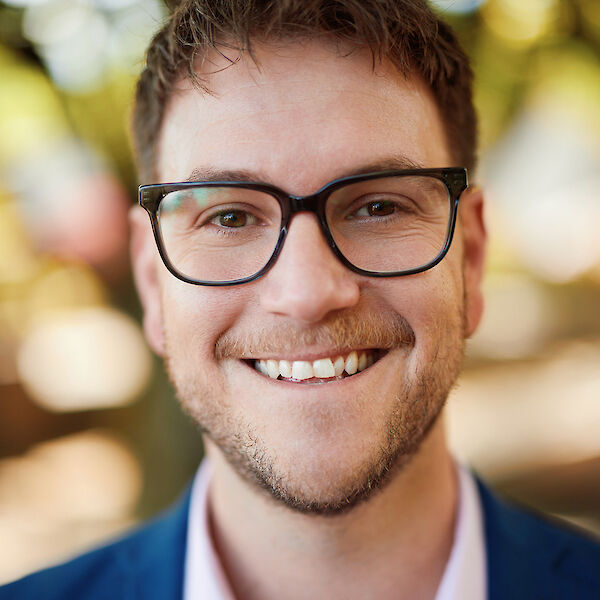
Jarrett Hagglund
About
Policy commitments
We all want healthy, affordable, and comfortable homes. These policies will help to lower energy bills, cut pollution, and improve indoor air quality.
Our community is already experiencing the harmful impacts of climate change caused by fossil fuel pollution, and taxpayers are on the hook to upgrade and repair critical infrastructure.
The air we breathe, the water we drink, and the food we eat all rely on healthy ecosystems. Nature can also help protect our community from extreme weather by controlling floods, protecting shorelines, and cooling neighbourhoods. Access to nature improves the health and well-being of residents, and supports biodiversity.
We envision vibrant, walkable communities that protect nature and improve food security.
Connecting neighbourhoods through public transit and active transportation networks will cut pollution, improve public health, and make our communities more affordable (and fun!).
Zero waste policies reduce pollution, keep waste out of landfills, build resilient local economies, and safeguard public health by shifting society away from a disposable culture toward a sustainable circular economy.
Climate action
I also serve on the board of the BC Co-operative Association, where we advocate for the role co-operatives can play in building a more sustainable, locally rooted economy.
More broadly, I’ve consistently advocated for a city where people can live closer to the things they need, with more housing in complete neighbourhoods, better transit and safer ways to walk and bike. Housing and climate policy are deeply connected: if we want to cut emissions, we need to build communities where a low-carbon life is also an affordable and convenient one.
Questions for Vancouver
Currently, we treat AI Data Centres much like traditional data servers from the past 30 years, but this approach fails to address the unique impacts these centres have on our communities. OneCity Councillor Lucy Maloney introduced the Addressing the Risks of AI Data Centres motion at Council to address this gap. Her motion, which was supported by all non-ABC councillors present, called for the development of an Impact Report before any rezoning or permitting, ensuring we understand the likely energy use, noise, waste, and employment compared to other land uses. It also called for assessment against the City’s climate targets, review of noise mitigation and ambient noise levels, and annual public disclosure of water and power consumption, as well as noise levels. Unsurprisingly, Ken Sim and the ABC majority voted down Councillor Maloney’s motion.
The goal is not only to create more homes, but create communities where more people can live close to the things they need everyday - groceries, childcare, schools, parks, local businesses and community services - and have more choices to walk, cycle or take transit instead of relying on a car for every trip.
Ken Sim and the ABC majority voted down this motion, as well as Councillor Maloney’s proposal to install temporary street canopies to protect residents and unhoused people from dangerous urban heat.
OneCity candidates are committed to reintroducing these motions, expanding the City’s tree canopy coverage, improving energy resilience, and providing cooling kits and other supports to unhoused people during heat waves.
Compiled & presented by

Vote4Tomorrow is an independent voter guide to evaluate where local candidates stand on climate and environmental policies that will affect our future.