
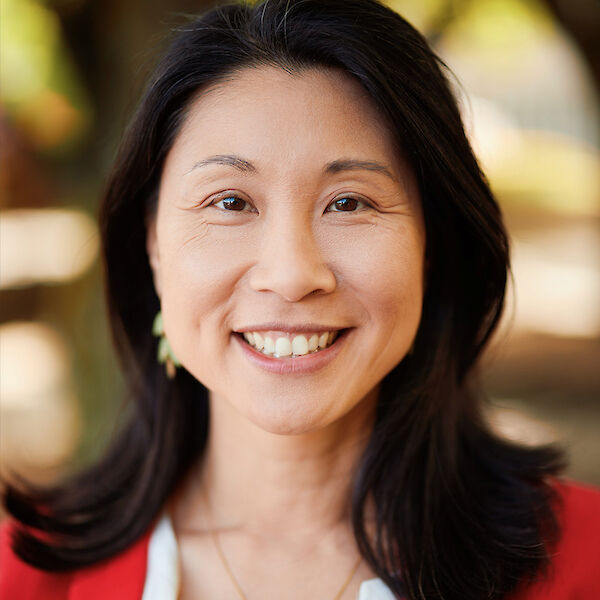
Iona Bonamis

Iona Bonamis

Council · Vancouver
Cedar Cottage 14 yrs

About

A senior urban and transportation planner with 20 years of experience building communities where people can easily and safely get around by walking, biking, and using public transit.

Policy commitments

Buildings

We all want healthy, affordable, and comfortable homes. These policies will help to lower energy bills, cut pollution, and improve indoor air quality.

✓ Support electrification of new buildings. Supportive
✓ Incentivize electric heat pumps and air filtration systems. Supportive
✓ Scale up energy retrofits for existing homes, businesses, and public buildings. Supportive
✓ Implement a 'right to cool' bylaw to protect tenants during extreme heat events. Supportive
Climate Justice

Our community is already experiencing the harmful impacts of climate change caused by fossil fuel pollution, and taxpayers are on the hook to upgrade and repair critical infrastructure.

✓ Pursue available legal options to recover a fair share of the climate costs facing our community from fossil fuel companies and other big polluters. Supportive
✓ Collaborate with Indigenous peoples as partners in the stewardship of the land, air, and water, and work towards reconciliation. Supportive
Ecosystems

The air we breathe, the water we drink, and the food we eat all rely on healthy ecosystems. Nature can also help protect our community from extreme weather by controlling floods, protecting shorelines, and cooling neighbourhoods. Access to nature improves the health and well-being of residents, and supports biodiversity.

✓ Expand and protect tree canopy, parks, and green infrastructure to cool neighbourhoods, clean air, and manage stormwater. Supportive
✓ Prioritize native tree planting in all areas, especially those with low tree cover, higher population densities, and more vulnerable residents. Supportive
✓ Create connected urban greenways for people and wildlife. Supportive
Land Use

We envision vibrant, walkable communities that protect nature and improve food security.

✓ Build affordable homes near jobs, schools, shops, and transit. Supportive
✓ Upgrade critical infrastructure for heat, fire, flood, and storm resilience. Supportive
✓ Increase food security by supporting local agriculture and community gardens. Supportive
Transport

Connecting neighbourhoods through public transit and active transportation networks will cut pollution, improve public health, and make our communities more affordable (and fun!).

✓ Deliver reliable, frequent, affordable local transit. Supportive
✓ Advocate to improve regional public transit between communities. Supportive
✓ Build bike and roll networks that are safe for everyone. Supportive
Zero Waste

Zero waste policies reduce pollution, keep waste out of landfills, build resilient local economies, and safeguard public health by shifting society away from a disposable culture toward a sustainable circular economy.

✓ Support the development of a circular economy to eliminate waste and improve resilience. Supportive
✓ Implement bylaws to eliminate waste from new buildings, renovation, and demolition projects and to use existing buildings as efficiently as possible. Supportive
✓ Supportive
~ Neutral
× Opposed
– No response

Climate action

How have you contributed to climate action in your community through advocacy, past work, advisory committees, volunteer work, and/or reducing your personal carbon footprint?
I have spent the last 20 years of my career making walking, cycling, and public transit safer and more convenient in communities across Canada. I started doing this work because I was concerned about the environmental impacts of transportation and I wanted to make these ways of getting around more attractive so that people don't have to drive.

I have also volunteered and worked for many non-profit environmental organizations, including Connecting Environmental Professionals, Environmental Youth Alliance, Pacific Salmon Foundation, and the Trout Lake Green Committee. Our family has also minimized our own footprint by replacing our natural gas furnace with a heat pump system, not owning a car, eating and shopping local, growing our own food, avoiding single-use plastics, and buying pre-loved items like clothing and kitchenware. In addition to these actions, my husband and I also regularly engage our kids on the topic of environmental justice and explain why we're taking these actions, with the hope that they will continue to live low-carbon lifestyles as they become adults.

Questions for Vancouver

What is your position on gas hookups for new buildings?
OneCity is committed to banning methane gas in new buildings. Methane gas in buildings is one of the main sources of CO2 pollution in Vancouver. Ken Sim and ABC stepped back on our climate policy by reversing the ban on gas hookups for new buildings. OneCity Council candidates are committed to reversing this decision and to restoring enforcement of the City’s Annual Greenhouse Gas and Energy Limits By-law for large existing buildings.
Will you vote to restore full funding for the Sustainability Office? In your view, what is the role of the Sustainability Office?
OneCity strongly believes that staff should have adequate resources and funding to advance the City’s climate objectives. We will restore funding for the climate and sustainability department. OneCity Council candidates are committed to restoring climate priorities and leadership at City Hall and will work with a progressive majority to implement a plan to improve climate action, building energy efficiency, and protection for the most vulnerable during heatwaves. This plan includes the installation of solar rooftops on public buildings, the facilitation of heat pump installation, and the renovation of 500 at-risk homes.
What is your view on a moratorium on AI data centres, given the natural resources they require?
Yes. In the absence of an appropriate regulatory framework, OneCity supports a moratorium on new AI data centres in Vancouver.
Currently, we treat AI Data Centres much like traditional data servers from the past 30 years, but this approach fails to address the unique impacts these centres have on our communities. OneCity Councillor Lucy Maloney introduced the Addressing the Risks of AI Data Centres motion at Council to address this gap. Her motion, which was supported by all non-ABC councillors present, called for the development of an Impact Report before any rezoning or permitting, ensuring we understand the likely energy use, noise, waste, and employment compared to other land uses. It also called for assessment against the City’s climate targets, review of noise mitigation and ambient noise levels, and annual public disclosure of water and power consumption, as well as noise levels. Unsurprisingly, Ken Sim and the ABC majority voted down Councillor Maloney’s motion.
Given the “controversy” of the Villages Plan, how do you envision accommodating the population growth of the City while dealing with the impacts of climate change?
Vancouver needs to accommodate population growth, and we need to do it in a way that makes neighbourhoods more affordable, complete and resilient to climate change. That means allowing more housing in more parts of the city. OneCity has proposed solutions, including smaller lots, reduced setbacks, more four-storey buildings, single-stair buildings and more opportunities for shops and services within neighbourhoods.
The goal is not only to create more homes, but create communities where more people can live close to the things they need everyday - groceries, childcare, schools, parks, local businesses and community services - and have more choices to walk, cycle or take transit instead of relying on a car for every trip.
What is your plan to create climate safeguards for all of Vancouver’s inhabitants, including the unhoused population?
OneCity candidates are committed to advancing Vancouver's climate preparedness. With indoor temperatures exceeding safety limits even outside of heatwaves, and urban heat accumulating rapidly throughout the summer, the City must provide safe cooling spaces. Councillor Lucy Maloney introduced several motions to improve access to clean air and cooling spaces during the summer months, including through temperature-controlled transit.
Ken Sim and the ABC majority voted down this motion, as well as Councillor Maloney’s proposal to install temporary street canopies to protect residents and unhoused people from dangerous urban heat.
OneCity candidates are committed to reintroducing these motions, expanding the City’s tree canopy coverage, improving energy resilience, and providing cooling kits and other supports to unhoused people during heat waves.

Compiled & presented by

Authorized by Doctors for Planetary Health - West Coast, registered sponsor under LECFA, doctors4planetaryhealth@gmail.com


Vote4Tomorrow is an independent voter guide to evaluate where local candidates stand on climate and environmental policies that will affect our future.

© 2026 Vote4Tomorrow