Erin Trainer

Erin Trainer

Council · Summerland
Summerland 15 yrs

About

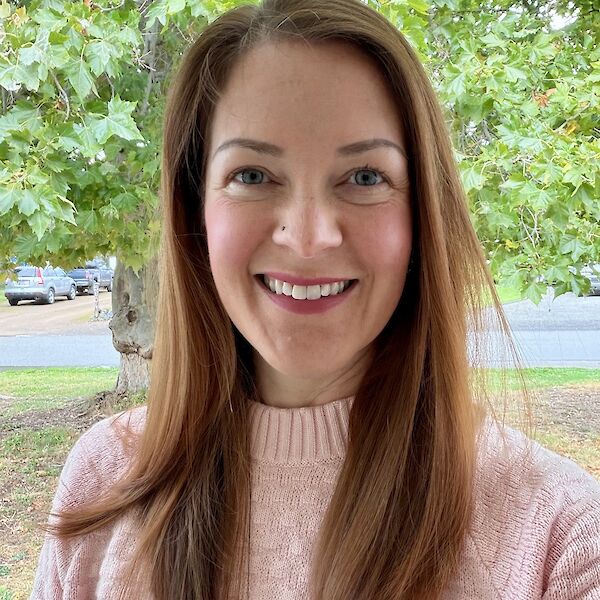
I'm running for my 4th term on council. I live in Trout Creek with my husband with three children. I enjoy hiking, reading and yoga. On council, my passions include enhancing our local parks, infrastructure planning and improving communications.

Policy commitments

Buildings

We all want healthy, affordable, and comfortable homes. These policies will help to lower energy bills, cut pollution, and improve indoor air quality.

✓ Support electrification of new buildings. Supportive
✓ Incentivize renewable energy, battery storage, and smart-grid technologies in new and existing buildings to improve energy security. Supportive
✓ Scale up energy retrofits for existing homes, businesses, and public buildings. Supportive
Ecosystems

The air we breathe, the water we drink, and the food we eat all rely on healthy ecosystems. Nature can also help protect our community from extreme weather by controlling floods, protecting shorelines, and cooling neighbourhoods. Access to nature improves the health and well-being of residents, and supports biodiversity.

✓ Protect and restore ecosystems, which are essential to human survival, health, and economic well-being. Supportive
✓ Expand and protect tree canopy, parks, and green infrastructure to cool neighbourhoods, clean air, and manage stormwater. Supportive
Land Use

We envision vibrant, walkable communities that protect nature and improve food security.

✓ Build affordable homes near jobs, schools, shops, and transit. Supportive
✓ Upgrade critical infrastructure for heat, fire, flood, and storm resilience. Supportive
✓ Increase food security by supporting local agriculture and community gardens. Supportive
Transport

Connecting neighbourhoods through public transit and active transportation networks will cut pollution, improve public health, and make our communities more affordable (and fun!).

✓ Deliver reliable, frequent, affordable local transit. Supportive
✓ Advocate to improve regional public transit between communities. Supportive
✓ Build bike and roll networks that are safe for everyone. Supportive
Watersheds

Climate change, increasing populations, and overconsumption threaten our water security. Healthy watersheds and forests are critical to support clean drinking water, stormwater management, climate resilience, and biodiversity for future generations.

✓ Implement water conservation plans and educate the public to conserve drinking water. Supportive
✓ Protect and restore watersheds as vital municipal infrastructure. Supportive
Zero Waste

Zero waste policies reduce pollution, keep waste out of landfills, build resilient local economies, and safeguard public health by shifting society away from a disposable culture toward a sustainable circular economy.

✓ Implement zero waste bylaws to divert organic waste and recyclables from disposal. Supportive
✓ Support the development of a circular economy to eliminate waste and improve resilience. Supportive
✓ Implement bylaws to eliminate waste from new buildings, renovation, and demolition projects and to use existing buildings as efficiently as possible. Supportive
✓ Supportive
~ Neutral
× Opposed
– No response

Climate action

How have you contributed to climate action in your community through advocacy, past work, advisory committees, volunteer work, and/or reducing your personal carbon footprint?
I've always supported climate action initiatives on council. I've participated in (and organized) Go By Bike Week many times. I was also a huge advocate for our new organics compost facility and weekly pick-up program, and two new playgrounds in our parks. When I attend local government conferences, I go to sessions on the latest climate change adaptions and active transportation plans. I walk and ride my bike as much as possible. I organize bi-annual neighbourhood community clean-ups. My family and I live in a small bungalow home to reduce our footprint.

Questions for Summerland

Transportation is Summerland's largest source of climate pollution. How can we decrease reliance on personal gas vehicles and improve how people get around using low emission transportation methods (e.g. walking, biking, carpooling, bus/transit, EV)?
We can improve our local transit system. For a few years, council offered free transit for Summerlanders in an effort to boost ridership. Now, we need to work with BC Transit to revamp the routes and times so more people can use the bus. We also need to continue investing in active transportation routes (walking, hiking, riding, and/or scootering) that connect neighbourhoods. My dream for the future would be a light rail system connecting the entire Okanagan Valley.
Summerland Council adopted a Community Energy and Emissions Reduction Plan in February 2020. How will you prioritize actions and set timelines to move the plan forward this term?
I will encourage council/staff to apply for grants that allow us to reduce our municipal emissions through building retro-fits and electrifying the District fleet. We can also incorporate the actions and timelines in the plan into council's strategic plan.
Resilience is about being ready for unexpected shocks. Along with emergency response, what long-term planning measures would you recommend to protect our community from the impacts of increasingly severe weather events and wildfires?
We must continue to invest in infrastructure that can handle extreme weather - from buildings to storm water catchments to roads and public spaces. We also need to plant more native trees where ever and whenever we can (one of the best things we can do to help the environment!) We need to continue to educate our residents on how to FireSmart and/or retro fit their homes for wildfires, heat domes and flash flooding. Finally, we need to be very mindful where we permit future developments.
How will you balance immediate local priorities—like housing, jobs, and healthcare—with the need to reduce emissions and protect the environment so we can secure a sustainable future for our children?
I will continue to use a climate lens when making decisions at the council table. With limited funds and competing priorities, it's very challenging to balance all the demands, but I always think about how my choices today will impact my children in 10, 20, 30 years. I believe we must create more opportunities for residents to be outside. In this way, we can grow our relationship with (and appreciation of) our natural environment - and ultimately - our shared responsibility to protect it.

Compiled & presented by

Authorized by First Things First Okanagan, registered sponsor under LECFA, info@firstthingsfirstokanagan.com

Vote4Tomorrow is an independent voter guide to evaluate where local candidates stand on climate and environmental policies that will affect our future.

© 2026 Vote4Tomorrow