
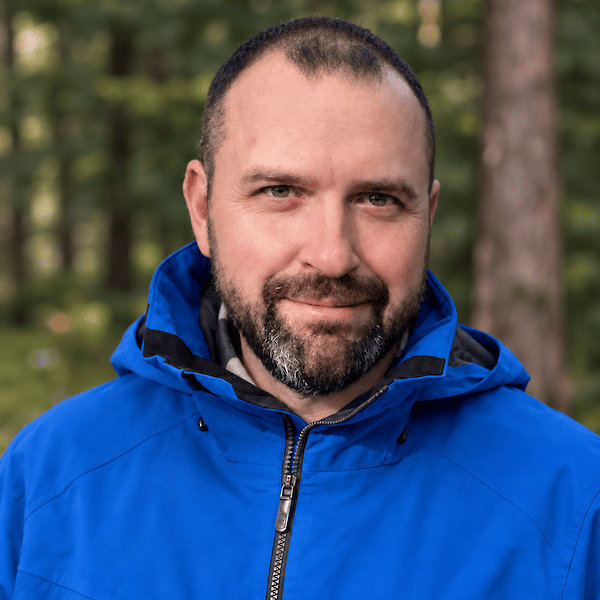
Luc Perreault
- Neighbourhood:
- Brackendale
- Years in the community:
- 4
About
Policy commitments
We all want healthy, affordable, and comfortable homes. These policies will help to lower energy bills, cut pollution, and improve indoor air quality.
Our community is already experiencing the harmful impacts of climate change caused by fossil fuel pollution, and taxpayers are on the hook to upgrade and repair critical infrastructure.
The air we breathe, the water we drink, and the food we eat all rely on healthy ecosystems. Nature can also help protect our community from extreme weather by controlling floods, protecting shorelines, and cooling neighbourhoods. Access to nature improves the health and well-being of residents, and supports biodiversity.
We envision vibrant, walkable communities that protect nature and improve food security.
Connecting neighbourhoods through public transit and active transportation networks will cut pollution, improve public health, and make our communities more affordable (and fun!).
Climate change, increasing populations, and overconsumption threaten our water security. Healthy watersheds and forests are critical to support clean drinking water, stormwater management, climate resilience, and biodiversity for future generations.
Zero waste policies reduce pollution, keep waste out of landfills, build resilient local economies, and safeguard public health by shifting society away from a disposable culture toward a sustainable circular economy.
Climate action
While I care about the environment, my approach is often driven by practicality and finances. In many cases, reducing waste, reusing materials, and making thoughtful purchasing decisions is not only better for the environment, it's also the more affordable choice.
From a municipal perspective, one of the first things I would like to see improved is our recycling facility. It should be a place that is easy to use, well organized, and something residents can take pride in owning. If we want people to recycle more, we need to make the experience simple, convenient, and welcoming.
I believe environmental stewardship and fiscal responsibility can go hand in hand. Often, the solutions that reduce waste and make better use of resources are also the solutions that save families and taxpayers money in the long run.
Questions for Squamish
There are still a lot of unknowns regarding potential litigation and any financial risks the District may ultimately face. Because of that, I believe we need to focus on mitigating risk while securing the greatest possible benefit for our community.
My approach would be to negotiate firmly, protect the interests of residents, and ensure Squamish receives fair compensation for the impacts and opportunities associated with the project.
At the same time, it's important to avoid prolonged and costly legal disputes where possible and work toward a constructive relationship based on accountability, respect, and shared prosperity. If Woodfibre LNG is going to be part of our community for decades, we should strive for a relationship that delivers long-term benefits while holding all parties accountable for their commitments.
I'm not interested in creating a large ongoing financial burden for taxpayers, but I am willing to invest a reasonable amount to make sure we have credible data to support our concerns and advocate for stronger accountability.
Too often, communities find themselves debating issues without enough information. Good data helps us separate facts from assumptions and gives us a stronger position when working with regulators, industry, and other levels of government.
My goal would be to establish a practical monitoring program that provides the information we need to protect residents, identify problems early, and ensure accountability when standards are not being met.
I would like to see enhanced review processes for major developments that could have a significant impact on Squamish. Those projects should receive more community engagement, greater transparency, and more direct Council oversight.
We're facing challenging financial times, and I believe we need to be ready to explore opportunities, even when they're outside the box. That doesn't mean saying "yes" to every proposal. It means having a process that allows us to properly evaluate ideas, understand the impacts, hear from residents, and determine whether a project could deliver real benefits to the community.
Some of these developments may present opportunities to help address challenges we're already facing, whether that's housing, infrastructure, recreation, economic development, or community amenities. My view is that we should be open to the conversation, ask tough questions, and make decisions based on facts, community input, and long-term value for Squamish.
I want to ensure our Community Risk Assessment and All Hazards Plan are regularly reviewed, tested, and updated to reflect Squamish’s changing risks, growing population, and infrastructure needs. Emergency preparedness cannot sit on a shelf. It needs clear leadership, regular exercises, public communication, and strong coordination with our regional and provincial partners.
Squamish faces significant risks, and I want our community to be ready.
The Sḵwx̱wú7mesh Nation has been caring for this land, air, and water since time immemorial, and I believe they should continue to be an important partner in decisions that affect our community.
As a councillor, I would support early and meaningful engagement, open communication, and collaboration on issues where our interests overlap, including environmental stewardship, emergency preparedness, infrastructure, recreation, and economic development.
Reconciliation is not a single action or policy. It's an ongoing commitment to working together, learning from one another, and building trust. We won't always agree on everything, but I believe respectful dialogue and a willingness to understand each other's perspectives are essential.
My goal would be to continue strengthening the relationship between the District and the Sḵwx̱wú7mesh Nation in a way that benefits both communities and creates positive outcomes for future generations.
Compiled & presented by

Vote4Tomorrow is an independent voter guide to evaluate where local candidates stand on climate and environmental policies that will affect our future.