
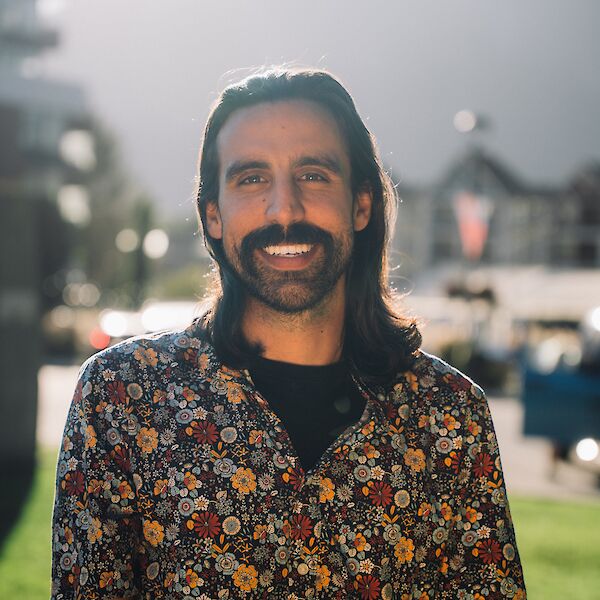
Daniel Deal

Daniel Deal

Mayor · Squamish

About

Over the years I've worked as a laborer, crane operator apprentice, facility manager, environmental remediation operator, and information systems analyst. Every job taught me something valuable about responsibility, teamwork. I want a better Squamish

Policy commitments

Buildings

We all want healthy, affordable, and comfortable homes. These policies will help to lower energy bills, cut pollution, and improve indoor air quality.

✓ Support electrification of new buildings. Supportive
✓ Incentivize electric heat pumps and air filtration systems. Supportive
✓ Incentivize renewable energy, battery storage, and smart-grid technologies in new and existing buildings to improve energy security. Supportive
~ Scale up energy retrofits for existing homes, businesses, and public buildings. Neutral
~ Implement a 'right to cool' bylaw to protect tenants during extreme heat events. Neutral
Climate Justice

Our community is already experiencing the harmful impacts of climate change caused by fossil fuel pollution, and taxpayers are on the hook to upgrade and repair critical infrastructure.

~ Endorse the fossil fuel treaty and commit to phase out fossil fuels. Neutral
✓ Enact a moratorium on AI data centres to protect our energy and water resources. Supportive
~ Pursue available legal options to recover a fair share of the climate costs facing our community from fossil fuel companies and other big polluters. Neutral
Ecosystems

The air we breathe, the water we drink, and the food we eat all rely on healthy ecosystems. Nature can also help protect our community from extreme weather by controlling floods, protecting shorelines, and cooling neighbourhoods. Access to nature improves the health and well-being of residents, and supports biodiversity.

✓ Protect and restore ecosystems, which are essential to human survival, health, and economic well-being. Supportive
~ Expand and protect tree canopy, parks, and green infrastructure to cool neighbourhoods, clean air, and manage stormwater. Neutral
~ Prioritize native tree planting in all areas, especially those with low tree cover, higher population densities, and more vulnerable residents. Neutral
✓ Create connected urban greenways for people and wildlife. Supportive
Land Use

We envision vibrant, walkable communities that protect nature and improve food security.

✓ Build affordable homes near jobs, schools, shops, and transit. Supportive
~ Upgrade critical infrastructure for heat, fire, flood, and storm resilience. Neutral
✓ Increase food security by supporting local agriculture and community gardens. Supportive
Transport

Connecting neighbourhoods through public transit and active transportation networks will cut pollution, improve public health, and make our communities more affordable (and fun!).

✓ Deliver reliable, frequent, affordable local transit. Supportive
✓ Advocate to improve regional public transit between communities. Supportive
× Build bike and roll networks that are safe for everyone. Opposed
~ Expand EV charging infrastructure. Neutral
Watersheds

Climate change, increasing populations, and overconsumption threaten our water security. Healthy watersheds and forests are critical to support clean drinking water, stormwater management, climate resilience, and biodiversity for future generations.

~ Implement water conservation plans and educate the public to conserve drinking water. Neutral
~ Protect and restore watersheds as vital municipal infrastructure. Neutral
~ Develop and implement a water security plan. Neutral
Zero Waste

Zero waste policies reduce pollution, keep waste out of landfills, build resilient local economies, and safeguard public health by shifting society away from a disposable culture toward a sustainable circular economy.

~ Implement zero waste bylaws to divert organic waste and recyclables from disposal. Neutral
~ Support the development of a circular economy to eliminate waste and improve resilience. Neutral
✓ Implement bylaws to eliminate waste from new buildings, renovation, and demolition projects and to use existing buildings as efficiently as possible. Supportive
✓ Supportive
~ Neutral
× Opposed
– No response

Climate action

How have you contributed to climate action in your community through advocacy, past work, advisory committees, volunteer work, and/or reducing your personal carbon footprint?
My contribution to climate action has been through the work I’ve done throughout my career. I have more than eight years of combined experience working in environmental remediation, green construction, and now carbon capture. I’ve worked directly on projects focused on reducing environmental impacts and finding practical solutions to difficult problems.

At a previous company, I also worked toward and achieved TRUE Gold Certification for Zero Waste, helping implement practices to significantly reduce waste and improve resource management.

Questions for Squamish

Municipal tax rates are determined by council every year to meet community needs. What do you think the Major Industry tax rate should be set at to ensure Woodfibre LNG contributes its fair share of taxes if the project is assessed at $600 million?
The current B.C. average among communities reporting actual Major Industry assessment is about 41 mills. Even though the old pulp mill had a tax rate of $58.86, I would suggest the rate should be set no higher than the standard $41 to be on par with the BC average.

For me, the important principle is that we should have a transparent tax rate rather than negotiating a special arrangement that locks in a company's contribution for ten years. Council should set the rate annually based on the assessed value, the services required, depreciation and the actual costs and impacts associated with the operation (including any remediation costs that might be incurred).

This would be between $16.4M/year - $24.6M/year; assuming the District staffs assessed value estimates of $400-$600M.
What steps will you take to advocate for the health and safety of Squamish residents in response to excessive and harmful air pollution from Woodfibre LNG and FortisBC’s compressor station?
I would support air-quality monitoring before operations begin and throughout the life of the project.
Establishing a baseline before operations allows the community to have reliable data against which future air quality changes can be measured.
Monitoring during operations provides transparency and accountability and ensures that concerns can be identified and addressed using actual data.
What is your position on the proposed Garibaldi at Squamish, Cheema Lands, and North Crumpit developments?
Squamish is vulnerable to many climate-related risks (e.g., extreme storms, flooding, sea level rise, wildfire, wildfire smoke, and extreme heat events). How will you address these risks to increase our community’s resilience?
How will you continue to collaborate with Indigenous peoples as partners in the stewardship of the land, air, and water, and work towards reconciliation?
I would continue and strengthen the work already established through the Memorandum of Understanding between the District of Squamish and Squamish Nation.
The MOU provides a framework for a genuine government-to-government relationship, and I believe Council’s job is to follow through on those commitments.

Compiled & presented by

Authorized by Citizens for My Sea to Sky, registered sponsor under LECFA, info@myseatosky.org

Vote4Tomorrow is an independent voter guide to evaluate where local candidates stand on climate and environmental policies that will affect our future.

© 2026 Vote4Tomorrow