
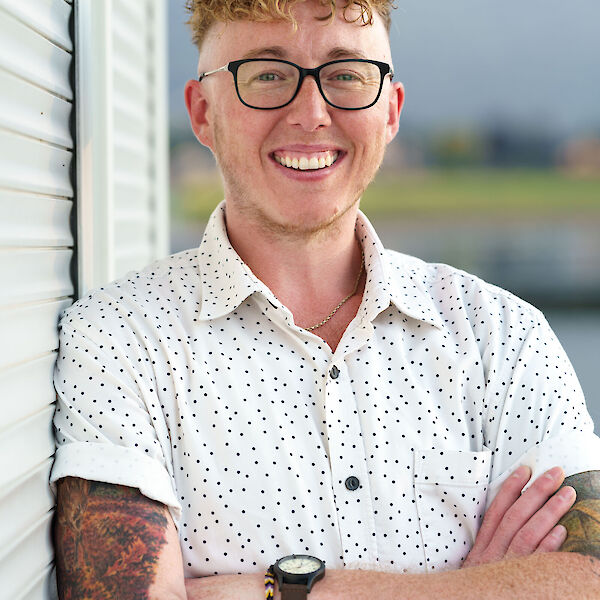
River Grabowsky

River Grabowsky

Council · Salmon Arm
Climate Leader
Salmon Arm 5 yrs

About

I am a dedicated community member with a love for the rich lands and culture developed by the passionate people of Salmon Arm. I work in health care and emergency services, and thrive within the diverse recreational and social impact activities here!

Policy commitments

Buildings

We all want healthy, affordable, and comfortable homes. These policies will help to lower energy bills, cut pollution, and improve indoor air quality.

✓ Support electrification of new buildings. Supportive
✓ Incentivize electric heat pumps and air filtration systems. Supportive
✓ Incentivize renewable energy, battery storage, and smart-grid technologies in new and existing buildings to improve energy security. Supportive
✓ Scale up energy retrofits for existing homes, businesses, and public buildings. Supportive
✓ Implement a 'right to cool' bylaw to protect tenants during extreme heat events. Supportive
Climate Justice

Our community is already experiencing the harmful impacts of climate change caused by fossil fuel pollution, and taxpayers are on the hook to upgrade and repair critical infrastructure.

✓ Endorse the fossil fuel treaty and commit to phase out fossil fuels. Supportive
✓ Enact a moratorium on AI data centres to protect our energy and water resources. Supportive
~ Pursue available legal options to recover a fair share of the climate costs facing our community from fossil fuel companies and other big polluters. Neutral
Ecosystems

The air we breathe, the water we drink, and the food we eat all rely on healthy ecosystems. Nature can also help protect our community from extreme weather by controlling floods, protecting shorelines, and cooling neighbourhoods. Access to nature improves the health and well-being of residents, and supports biodiversity.

✓ Protect and restore ecosystems, which are essential to human survival, health, and economic well-being. Supportive
✓ Expand and protect tree canopy, parks, and green infrastructure to cool neighbourhoods, clean air, and manage stormwater. Supportive
✓ Prioritize native tree planting in all areas, especially those with low tree cover, higher population densities, and more vulnerable residents. Supportive
✓ Create connected urban greenways for people and wildlife. Supportive
Land Use

We envision vibrant, walkable communities that protect nature and improve food security.

✓ Build affordable homes near jobs, schools, shops, and transit. Supportive
✓ Upgrade critical infrastructure for heat, fire, flood, and storm resilience. Supportive
✓ Increase food security by supporting local agriculture and community gardens. Supportive
Transport

Connecting neighbourhoods through public transit and active transportation networks will cut pollution, improve public health, and make our communities more affordable (and fun!).

✓ Deliver reliable, frequent, affordable local transit. Supportive
✓ Advocate to improve regional public transit between communities. Supportive
✓ Build bike and roll networks that are safe for everyone. Supportive
✓ Expand EV charging infrastructure. Supportive
Watersheds

Climate change, increasing populations, and overconsumption threaten our water security. Healthy watersheds and forests are critical to support clean drinking water, stormwater management, climate resilience, and biodiversity for future generations.

✓ Implement water conservation plans and educate the public to conserve drinking water. Supportive
✓ Protect and restore watersheds as vital municipal infrastructure. Supportive
✓ Develop and implement a water security plan. Supportive
Zero Waste

Zero waste policies reduce pollution, keep waste out of landfills, build resilient local economies, and safeguard public health by shifting society away from a disposable culture toward a sustainable circular economy.

~ Support the development of a circular economy to eliminate waste and improve resilience. Neutral
~ Implement bylaws to eliminate waste from new buildings, renovation, and demolition projects and to use existing buildings as efficiently as possible. Neutral
✓ Supportive
~ Neutral
× Opposed
– No response

Climate action

How have you contributed to climate action in your community through advocacy, past work, advisory committees, volunteer work, and/or reducing your personal carbon footprint?
I studied and received a diploma in Environmental Technology in 2012, and have carried my deep love for Earth sciences and sustainability through my life. I have canvassed with various Climate Action and eco-justice groups, and participated in research and public education around Climate Action, Community resilience and the development of Climate Engagement Centres locally. I support and increase awareness of the efforts of our local Climate Action Society and take advisement from community members that are more researched in these areas. I maintain a low impact lifestyle, with reduction of consumption at the heart of my habits. I am cautious with my water usage, limit my acquisition of new items (especially technology and clothing). I seek to repair or refurbish items before considering replacement or terming it refuse. Beyond the odd business material purchase and the rare niche item, have ceased my use of online shopping. Spending mindfully and with intentionality locally has become first nature. I am always taking in new information about the ways that I as an individual can understand the global systems better to put my values into action and inspire others to do the same.

Questions for Salmon Arm

How will you prioritize implementing actions identified in the Climate Resilience Plan that target community emissions from buildings and transportation to reach a 48% GHG emission reduction by 2030?
I believe that we need a -nearly- radical implementation of recommended actions. Our environment is the literal foundation of all life, without which we do not have food, water, health, and the resources that society requires to function. I will spend time investigating the steps taken so far, those on deck, and where streamlining of processes could be brought in to reduce costs in the short and long term. I want to reinforce the importance of regarding our Advisory Councils recommendations as they are the experts we have brought on to research, synthesize and present the best practices that are available to and for us.
During recovery after an emergency like a wildfire, flood or heat event, support and resources from all levels of government are lacking. What will you do to ensure that your constituents are supported during and after such an event?
In my time in office, I hope to work with the general public and all levels of emergency preparedness, response and recovery aligned groups. I believe that through exploring models from other cultures and cities, we could develop reserve forces and more interconnected neighbourhoods that are ready to act when the times come. Food and water reservoirs, energy back ups and clear pathways to temporary and long term housing. Finding appropriate ways for common-folk to be trained to participate in the battling of and recovery from natural disasters in a way the is supplementary and not disruptive or inhibitive to the in the exiting systems of response. I believe that most people would like to be a part of the solution, but the vast ways in which that can be achieved have not been explored or made available. Public Education and the prevention of spreading misinformation is crucial, as well as growing transparency between government and constituents to build trust and understanding about why certain processes take the time that they do.
There is a lot of work to do, and proactivity is the best solution we have to easier recovery.

Compiled & presented by
Authorized by Shuswap Climate Action Society, registered sponsor under LECFA, info@shuswapclimate.org

Vote4Tomorrow is an independent voter guide to evaluate where local candidates stand on climate and environmental policies that will affect our future.

© 2026 Vote4Tomorrow