
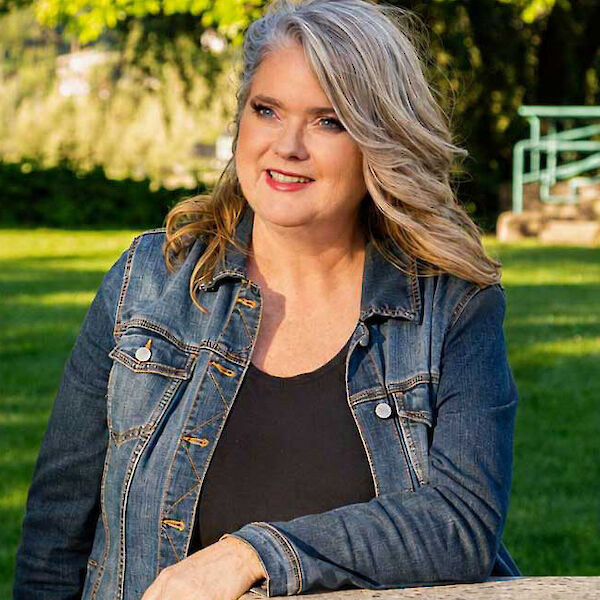
Kari Wilkinson
About
Policy commitments
We all want healthy, affordable, and comfortable homes. These policies will help to lower energy bills, cut pollution, and improve indoor air quality.
Our community is already experiencing the harmful impacts of climate change caused by fossil fuel pollution, and taxpayers are on the hook to upgrade and repair critical infrastructure.
The air we breathe, the water we drink, and the food we eat all rely on healthy ecosystems. Nature can also help protect our community from extreme weather by controlling floods, protecting shorelines, and cooling neighbourhoods. Access to nature improves the health and well-being of residents, and supports biodiversity.
We envision vibrant, walkable communities that protect nature and improve food security.
Connecting neighbourhoods through public transit and active transportation networks will cut pollution, improve public health, and make our communities more affordable (and fun!).
Climate change, increasing populations, and overconsumption threaten our water security. Healthy watersheds and forests are critical to support clean drinking water, stormwater management, climate resilience, and biodiversity for future generations.
Zero waste policies reduce pollution, keep waste out of landfills, build resilient local economies, and safeguard public health by shifting society away from a disposable culture toward a sustainable circular economy.
Climate action
While I have not served on formal climate or environmental advisory committees, my volunteer work as a Board Member with the Larch Hills Nordic Society keeps environmental considerations at the forefront. We manage a large trail network and understand the importance of protecting sensitive areas. Restricting access to sensitive bogs outside winter, following Ministry protocols for forest management, and respecting the land all help maintain a healthy, sustainable trail system for future generations.
At home, we take practical steps to reduce our environmental impact. I drive a Toyota RAV4 Hybrid, recycle regularly, and have installed three variable-speed heat pumps to reduce our reliance on wood heat except during the coldest months. We also repair and maintain what we own rather than replace things unnecessarily.
I believe responsible environmental action starts with practical choices we can sustain over the long term.
Questions for Salmon Arm
Encouraging energy-efficient construction, renovations, insulation and heating systems can reduce emissions while also helping residents lower their long-term energy costs. Our family has already taken practical steps in this direction by installing three variable-speed heat pumps and reducing our reliance on wood heat in the coldest months of the year. I believe the community should encourage these kinds of improvements through information, incentives and partnerships wherever possible, rather than relying solely on regulations or mandates.
Transportation requires a similarly practical approach. In a rural and mountainous region, many residents travel significant distances for work, appointments, recreation and essential services. Winter highway conditions and long-distance travel also create challenges that cannot simply be addressed by expecting everyone to switch to an electric vehicle. Supporting improved public transportation where feasible, EV charging infrastructure, active transportation and more fuel-efficient vehicles can all contribute to emissions reductions.
Most importantly, I believe climate resilience should be about preparing our community for the future—protecting water resources, reducing energy costs, improving infrastructure and supporting practical emissions reductions—while ensuring the costs and expectations placed on residents remain reasonable and achievable.
I’ve experienced the frustration of dealing with insurance companies, sorting through and disposing of destroyed belongings, and navigating the long, stressful process of rebuilding. It’s not simply about replacing a building or possessions—it’s about putting your life back together while managing paperwork, contractors, insurance, family responsibilities and countless unexpected decisions.
There is no way to remove all the hardship, but local government can help make the recovery process easier. I would listen, be accessible and advocate for residents facing these challenges. That could include connecting people with resources, communicating clearly, opening public spaces for temporary shelter, helping coordinate the disposal of destroyed materials, and working with local organizations such as our Rotary Clubs and the Shuswap Community Foundation to raise emergency funds.
My experiences have given me a deeper understanding of how important it is for people to feel heard and supported during a crisis. I would bring that perspective to Council—with compassion, patience and a commitment to helping our community recover and move forward together.
Compiled & presented by
Vote4Tomorrow is an independent voter guide to evaluate where local candidates stand on climate and environmental policies that will affect our future.