
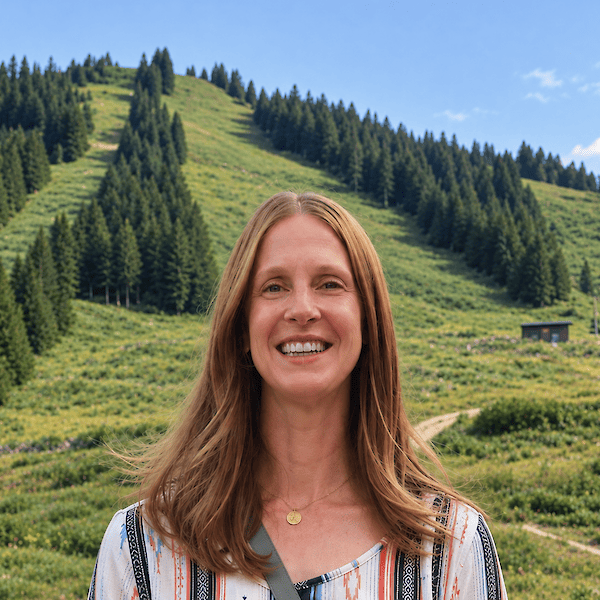
Tara McDougall
About
Policy commitments
We all want healthy, affordable, and comfortable homes. These policies will help to lower energy bills, cut pollution, and improve indoor air quality.
Our community is already experiencing the harmful impacts of climate change caused by fossil fuel pollution, and taxpayers are on the hook to upgrade and repair critical infrastructure.
The air we breathe, the water we drink, and the food we eat all rely on healthy ecosystems. Nature can also help protect our community from extreme weather by controlling floods, protecting shorelines, and cooling neighbourhoods. Access to nature improves the health and well-being of residents, and supports biodiversity.
We envision vibrant, walkable communities that protect nature and improve food security.
Connecting neighbourhoods through public transit and active transportation networks will cut pollution, improve public health, and make our communities more affordable (and fun!).
Climate change, increasing populations, and overconsumption threaten our water security. Healthy watersheds and forests are critical to support clean drinking water, stormwater management, climate resilience, and biodiversity for future generations.
Zero waste policies reduce pollution, keep waste out of landfills, build resilient local economies, and safeguard public health by shifting society away from a disposable culture toward a sustainable circular economy.
Climate action
My regulatory experience has shaped how I think about complex issues, including environmental issues. I’m trained to consider risk, evidence, prevention, and the long-term consequences of both action and inaction.
For me, living in Rossland has made these issues more visible, I see them every day. Our environment is a huge part of why I chose to build my life here, and protecting it is fundamentally important to me.
Questions for Rossland
I recognize that the permitting decisions largely sit with the Province, not the City. That doesn't mean Council is powerless. The current Council has already raised significant concerns through the provincial process, including environmental, economic, transportation and socioeconomic concerns. I think the next Council needs to continue that work and continue asking questions when answers are incomplete.
Locally, I will support continued collaboration with SRRAC to ensure Rossland's and the region's concerns remain clearly documented and communicated.
With the Province, I would continue advocating directly with the ministries and decision-makers who actually have authority over the project. Council should use every opportunity it has to do that.
I’ve worked in health regulation for nearly 20 years, so I understand how legislation and regulatory processes work. I also understand the difference between having the authority to make a decision and having the ability to influence one.
Development is one area Rossland can make important impacts. We can require new buildings to be efficient and consider climate impacts when the City replaces infrastructure or undertakes other municipal projects.
I also think we need to be realistic about our community’s size and our resources. I don't want climate action to become a list of initiatives that looks good on paper but that we don't have the capacity to deliver.
I'd like to see Council identify where the City can make a real difference, take practical steps, measure the results and keep improving.
Our natural environment is a major part of our economy and our quality of life. It's one of the reasons people want to live here and visit here. At the same time, we're seeing very real risks from wildfire, changing snowpack and hotter, drier summers, and the potential open-pit mine at Record Ridge.
The City has worked to identify those risks through its climate action plan, which it continues to invest in. The next step is ensuring that information informs the decisions Council makes about infrastructure, development, and long-term financial planning.
I would continue supporting practical and achievable measures that protect our natural assets.
I also think we need to keep looking ahead. One of my professional responsibilities is risk assessment. You don't only ask what something costs today. You ask what happens if you don't deal with it, what the future consequences could be, and what you can reasonably do now to reduce that risk.
The good thing is Rossland isn’t starting from scratch. The City has already done a lot of work assessing our water system and the infrastructure investments we’ll need. For me, the next step is making sure we actually use those plans and keep adjusting them as we learn more.
The pressures facing our community increase year over year. Each year, our snowpack is unpredictable, summers are getting hotter and drier, wildfire is a very real risk, and our community is growing. We need to consider all of that.
I would also want to make sure we're protecting our water source. If we aren’t protecting our water quality, availability becomes secondary.
There are significant upcoming costs involved in maintaining and replacing our water infrastructure. We need to plan realistically, seek outside funding where we can, and make those investments in a way that doesn't create surprises for taxpayers.
In Rossland, development can add housing and expand our tax base, and both can benefit the community. But it also creates demand on already strained infrastructure, roads and other City services. We need to understand those costs and make sure existing taxpayers aren't unnecessarily carrying costs created by new development. Development needs to be planned thoughtfully, and costs should be properly assigned to developers and new residents. Otherwise, we are essentially creating a wealth transfer from existing residents to new residents and developers.
We also need to consider environmental impacts and what development means for the people who already live here.
I came to Rossland because I fell in love with this community. Our natural environment and access to outdoor recreation are world-class, but that itself isn't unique to Rossland. For me, what makes Rossland different is the character of the people who built this community and call it home, that's what brought me here.
I want people to continue to have the opportunity to build a life here. I also want the people who built this community, and the people already living here, to be able to stay and enjoy it. We can grow, but we need to manage that growth carefully.
I've spent nearly 20 years working in health regulation, and one thing is very clear, our overall health isn't determined only by the health care system.
Decisions made at the municipal level affect people's everyday lives. Safe drinking water and sewer systems are obvious examples, recreation, transportation, access to outdoor spaces, air quality and community safety all contribute to our health and quality of life. Many of the region's essential health care workers choose to call Rossland home, and we need to ensure that it remains an appealing place so we do not impact our health system.
The City should ensure that efforts and resources are directed where it has the authority to make actual impacts. That begins with understanding Council’s role and authority, and it ends there.
Where Rossland can make a difference is by considering health when we make the decisions that are ours to make, and by advocating to other levels of government when something our residents need falls outside municipal authority.
To me, Council's role is to stay in our lane, but recognize that the decisions we make within that lane can have a very real impact on people's health and quality of life.
Compiled & presented by
Vote4Tomorrow is an independent voter guide to evaluate where local candidates stand on climate and environmental policies that will affect our future.