
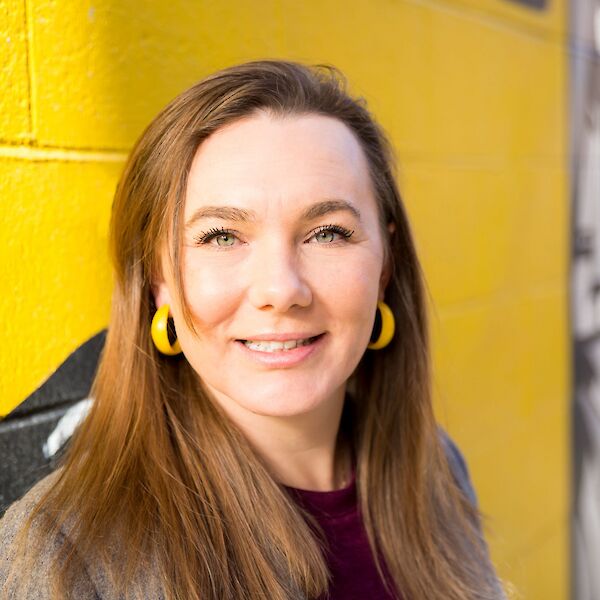
Sharon Roberts
About
Policy commitments
We all want healthy, affordable, and comfortable homes. These policies will help to lower energy bills, cut pollution, and improve indoor air quality.
Our community is already experiencing the harmful impacts of climate change caused by fossil fuel pollution, and taxpayers are on the hook to upgrade and repair critical infrastructure.
The air we breathe, the water we drink, and the food we eat all rely on healthy ecosystems. Nature can also help protect our community from extreme weather by controlling floods, protecting shorelines, and cooling neighbourhoods. Access to nature improves the health and well-being of residents, and supports biodiversity.
We envision vibrant, walkable communities that protect nature and improve food security.
Connecting neighbourhoods through public transit and active transportation networks will cut pollution, improve public health, and make our communities more affordable (and fun!).
Climate change, increasing populations, and overconsumption threaten our water security. Healthy watersheds and forests are critical to support clean drinking water, stormwater management, climate resilience, and biodiversity for future generations.
Zero waste policies reduce pollution, keep waste out of landfills, build resilient local economies, and safeguard public health by shifting society away from a disposable culture toward a sustainable circular economy.
Climate action
I’m passionate about combating invasive plant species, restoring natural ecosystems, and planting native plants and pollinator gardens. This year, I co-organized a community group to work together on invasive species removal projects. My eventual goal would be for the Columbia Kootenay Invasive Species Society (CKISS) to expand it’s invasive species removal incentive programs to include the RDKB as well.
If elected to council, one of the projects I would bring forward would be to expand Rossland’s Invasive Plant Policy, an initiative that is already on the minds of city staff.
I also have an artistic practice where I work with plants to make fabric dye. The fabric I use is all upcycled natural fibers that I buy at the thrift. The plants that I use are native plants that I grown in my garden or ethically harvest, invasive species, and kitchen waste. It’s been my experience that taking about my artistic practice and sharing my process is a great conversation starter about environmental stewardship
Questions for Rossland
We are so lucky in Rossland to have the dedicated team of the Save Record Ridge Action Committee (SRRAC). So far, I’ve supported the efforts of SRRAC by donating silent auction items, writing letters and signing petitions, and volunteering my time to support their initiatives. I will continue to champion and support the efforts of SRRAC into the future.
In my work with the Province, I would take every opportunity to advocate in support of saving Record Ridge. As our current council has demonstrated at this year’s UBCM conference, council members are advocating with the ministers responsible for issuing the permits for this mine project. This is advocacy work that I would take up, if elected to council.
Rossland is already taking action to make buildings more efficient opting into the Province of BC Zero Carbon Step Code to reduce greenhouse gas emissions on new builds. Choosing to opt into the step program at a higher level than provincially mandated is something that I would continue to uphold, and explore if a higher level is possible.
Regarding transportation, I would advocate for increased bus service between Rossland and Trail, and explore public transit options within our City, like a year round shuttle service between Rossland and Red Mountain. During the strategic planning process with new council, I would put forward a proposed public communication campaign encouraging multi-unit buildings to add an EV charging station in their car parks.
Regarding diverting compost from landfills, I’m currently serving on the Public and Technical Advisory Committee for the updated Solid Waste Management plan. I’ve advocating for greater access to compost options for Rosslanders living in multi-unit buildings. I’ve also put forward the idea for revenue generation by selling processed composted back to the community, similar to the model already in use in the Regional District of Columbia Kootenay. My seat on this committee would continue after the election as the plan update will still be in progress.
We also are really lucky that we have an active and passionate Fire Smart advocate in our community. I would continue to support Fire Smart initiatives and explore the possibility of additional wild fire risk reduction projects leveraging funding and resources from organizations like the Forest Enhancement Society of BC.
Better protections of riparian zones, especially at Red Mountain where there has been significant deforestation and development in the last few years.
Communication project to encourage owners to replace lawns with drought-resistant natural plant gardens.
Sidewalk upgrades that include water capture and treatment approaches
Partnering with other levels of government to protect our watershed area
I would also explore the value of developing a specific Water Security Plan for Rossland, outside of the Utilities Master Plan. The value of doing this would be to take a more proactive approach focused on water security.
To make sure that growth serves our community, we can work with developers to keep natural habitats and ecosystems in mind when approaching development projects. We can also work within our own municipal structure and projects to uphold these ideals. A good place to start would be requiring remediation of land to natural and native species following soil disturbances and maintaining wildlife corridors.
Increasing public knowledge and awareness of our natural ecosystem and species would increase emotional investment from folks who live here to do the same. It would also create a tourism opportunity for people visiting Rossland to explore our ecosystem.
There are many measurable indicators of health in a community. Access to safe, affordable, and stable housing through life, including the ability to age in place, is a fundamental function of a municipality. Additionally, supporting access to health care, reliable transportation, recreation opportunities, food security, and arts and culture all form the foundation of community well-being.
Compiled & presented by

Vote4Tomorrow is an independent voter guide to evaluate where local candidates stand on climate and environmental policies that will affect our future.